
How to Safely Remove a Wasp Nest from Your Property
Step-by-Step Guide to Safely Handling and Removing Wasp Nests"
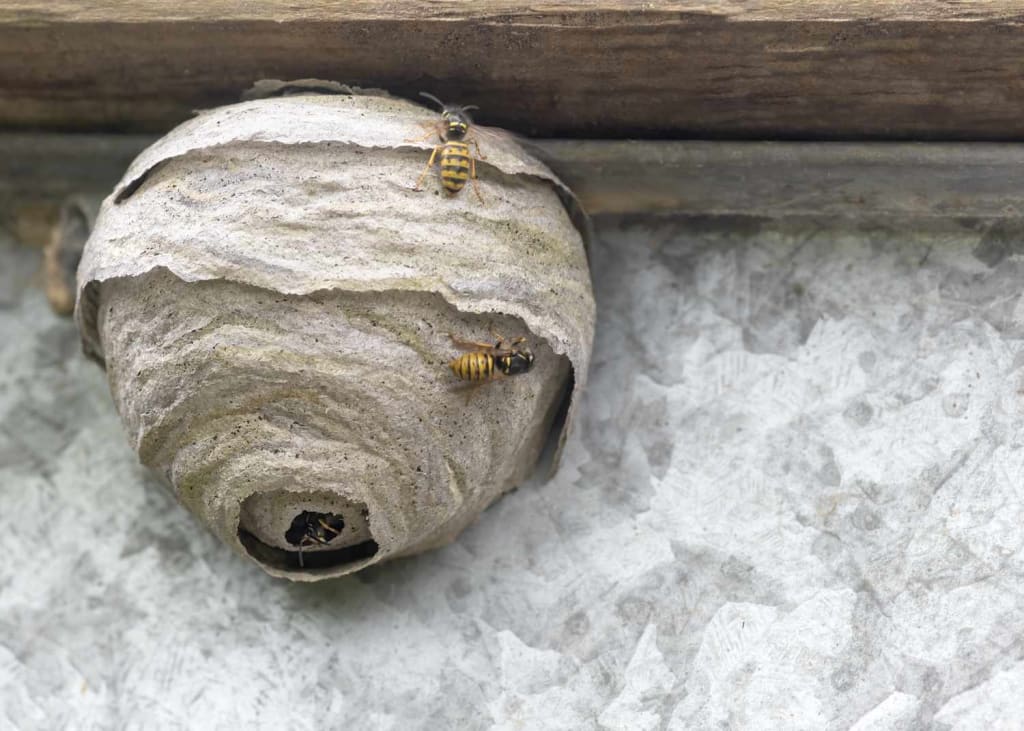
When the warm weather rolls in, wasps become more active, and their nests may pop up in areas you don’t want them. Whether it’s in the eaves of your home, in the garage, or in your garden, a wasp nest can be a major issue. While wasps play an important role in the ecosystem, their nests near human living spaces can be dangerous. In this article, we’ll walk you through the safest way to remove a wasp nest from your property and keep both you and your family safe.
Recognizing a Wasp Nest
Before you start thinking about removal, it’s essential to first identify if you actually have a wasp nest. Wasps are typically most active in the warmer months, particularly late spring through fall. You’ll see wasps buzzing around an area if there’s a nest nearby.
Wasp nests are usually paper-like and are often found in hidden places, such as attics, under eaves, or even inside walls. The nest can be small or large, depending on how long it has been there. If you spot a nest, make sure to approach it cautiously and avoid disturbing the wasps, as this can lead to aggressive behavior and stings.
If you are unsure about the size or location of the nest, it's best to call a professional to evaluate it. For safe and effective wasp nest removal, getting expert help is often the best option, especially for large or difficult-to-reach nests.
Safety First: Why You Should Take Precautions
Before attempting to remove a wasp nest on your own, it's crucial to understand the potential risks. Wasps are more aggressive if they feel their nest is threatened, and multiple stings can lead to allergic reactions, which can be serious or even life-threatening. If you’re allergic to stings, it's best to avoid removing the nest yourself.
If you decide to tackle the nest removal on your own, take the following precautions:
Wear protective clothing: Cover up with long sleeves, pants, and gloves. Be sure to wear a hat, and if possible, a veil or netting to protect your face and neck.
Use the right tools: You will need tools such as a long pole or a broom for reaching high nests, and a pesticide specifically designed for wasp removal.
Avoid sudden movements: When approaching the nest, move slowly and carefully. Quick movements can agitate the wasps, increasing the chances of getting stung.
Remove the nest at night: Wasps are less active at night, so it’s safest to remove the nest after dark when the insects are in the nest and not flying around.
DIY Wasp Nest Removal: Step-By-Step
If you’ve decided to proceed with removing the nest yourself, here’s a step-by-step guide to ensure a safer process:
Prepare the area: Ensure there are no people or pets nearby when you begin. If the nest is near your home, make sure windows and doors are closed to prevent wasps from entering.
Purchase the right pesticide: Look for a wasp-killing pesticide that comes with a long-range spray. This will allow you to spray from a distance to avoid getting too close to the nest.
Spray the nest: Stand at least 10 to 15 feet away from the nest and spray the entrance thoroughly. Be sure to coat the nest as well. Do this at night, when the wasps are inactive.
Wait and observe: After spraying, wait for at least 24 hours to ensure that all wasps are killed. If the nest is still active, repeat the process.
Remove the nest: Once you're sure the wasps are gone, carefully remove the nest with a broom or a long-handled tool. Place it in a sealed plastic bag for disposal.
When to Call a Professional
If you don’t feel comfortable removing the nest yourself or the nest is too large, hiring a professional is the safest option. A professional wasp nest removal service will have the right equipment and expertise to safely handle the situation.
A professional will assess the situation, use proper safety gear, and apply the most effective methods for removal. Additionally, they will ensure the area is thoroughly cleaned and the nest is disposed of properly. This is often the best route if you have a large infestation, a nest in a hard-to-reach area, or if you're dealing with a particularly aggressive species of wasp.
Prevention Tips for Future Nest Issues
Once you’ve removed the nest, you’ll want to take steps to prevent future infestations. Here are some tips to help keep your property wasp-free:
Seal entry points: Inspect your home for cracks or gaps where wasps could enter and build nests. Seal these areas with caulk or another appropriate sealant.
Remove food sources: Wasps are attracted to food, so keep trash cans tightly sealed and avoid leaving food outside. Clean up spilled sugary drinks or food crumbs that may attract them.
Install a wasp trap: Consider setting up a wasp trap near your home. These traps can catch and kill wasps before they can build a nest.
Regular inspections: Keep an eye on areas where wasps might build nests, particularly during spring and summer. Regularly check your attic, under eaves, and any other hidden places.
Conclusion
Removing a wasp nest from your property is an important task, but it’s crucial to approach it with caution. If you’re unsure about doing it yourself, consider calling a professional for wasp nest removal. By following safety precautions and using the right methods, you can protect yourself and your property from the dangers of wasps while ensuring your home remains safe for everyone.
About the Creator
Top Packaging companies in Sri lanka
Top Packaging Companies in Sri Lanka When discussing the top packaging companies in Sri Lanka, several well-known manufacturers stand out due to their quality, experience, and product range. These companies provide solutions for both small businesses and large international brands.
By Buddhika Jayanathabout 15 hours ago in Lifehack
The Metrics That Actually Get You Promoted Remotely
Many remote professionals assume promotions are based on how hard they work. They believe that if they work longer hours, respond to messages quickly, and stay busy throughout the day, eventually someone will notice their effort.
By Bahati Mulishi7 days ago in Lifehack




Comments
There are no comments for this story
Be the first to respond and start the conversation.