
Why Bigger Isn’t Always Better: Rethinking Home Cooling Systems
Stop wasting money: how AC size secretly affects your comfort

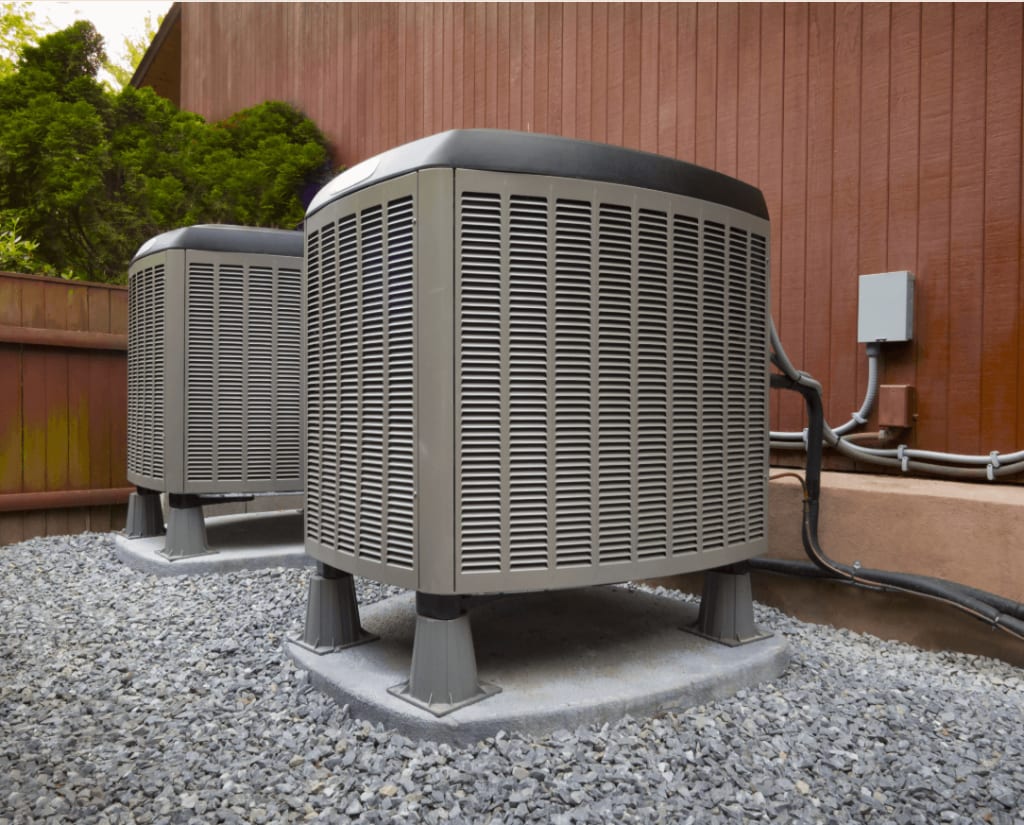
When it comes to buying a new air conditioner, most homeowners want the best. They want a system that keeps their house cool during the hottest days, reduces humidity, and runs reliably for years. Somewhere along the way, a common belief took root: bigger AC units must be better.
It sounds logical—if a small unit cools your home, then a larger one should cool it faster and more effectively. But in reality, choosing an oversized system often does more harm than good.
The truth is, when it comes to home cooling, “bigger” doesn’t always mean “better.” In fact, an air conditioner that’s too large for your space can create higher energy bills, more discomfort, and long-term problems that most homeowners never expect.
The Comfort Illusion
At first glance, an oversized AC seems like a dream. It blasts cold air quickly, dropping the indoor temperature in just a few minutes. But here’s where the comfort illusion comes in.
Because the system cools the air so fast, it shuts off before it has time to complete its full cycle. That cycle doesn’t just cool—it also removes humidity. Without proper dehumidification, rooms can feel clammy, sticky, and far less comfortable than they should.
What’s worse, these short bursts of cooling don’t distribute evenly. Some areas may feel cold, while others remain warm, creating the kind of uneven comfort that frustrates homeowners all summer long.
The Hidden Costs of Oversizing
Beyond comfort, the financial impact of an oversized air conditioner is significant.
Higher energy bills: Constant starting and stopping uses more electricity than a steady, balanced cycle.
More wear and tear: Components wear down faster when forced to switch on and off frequently.
Reduced lifespan: Systems that short-cycle often need repairs sooner and fail earlier than correctly sized units.
Poor indoor air quality: Without adequate humidity control, mold and allergens thrive.
Oversized units don’t just cost more upfront—they continue draining your wallet every month through inefficiency and maintenance.
For a more detailed explanation of the problems, here’s a helpful guide on the symptoms of an oversized AC unit
that highlights what homeowners should look out for.
Why This Mistake Happens So Often
If oversizing is so harmful, why does it keep happening?
There are a few common reasons:
The bigger-is-better myth: Homeowners often request larger systems thinking they’re getting an upgrade.
Contractor shortcuts: Some contractors size equipment based on rough estimates or replacement history instead of running proper load calculations.
Fear of undersizing: No one wants a system that can’t keep up during extreme heat, so oversizing feels “safer.”
The reality, though, is that a system matched precisely to your home’s needs will outperform an oversized one every time.
How to Find the Right Fit
The key to avoiding this costly mistake is proper system design. A reputable HVAC professional won’t guess at the size—they’ll calculate it using industry standards.
This process, known as a Manual J load calculation, considers:
- The square footage of your home
- Ceiling heights
- Window size and placement
- Insulation levels
- Local climate conditions
With this information, they can recommend a system that’s large enough to keep you comfortable without the problems of oversizing.
Smarter Choices for Lasting Comfort
If you’re considering a new air conditioner, here are a few steps to make sure you get it right:
Ask for load calculations: Don’t settle for rules of thumb or “similar size to your old unit.”
Think beyond the equipment: Proper ductwork, insulation, and air sealing also affect performance.
Consider long-term costs: A slightly smaller but correctly sized system will save money over time.
Watch for red flags: If your current system cycles on and off frequently, it may already be oversized.
Rethinking Cooling for the Modern Home
Energy efficiency has become a priority for many households, and with good reason. Heating and cooling make up nearly half of home energy use. Choosing the right-sized air conditioner isn’t just about comfort—it’s about sustainability, cost savings, and protecting your investment.
When homeowners rethink the “bigger is better” mindset, they discover that the real upgrade is balance: a system that runs smoothly, keeps humidity under control, and works efficiently year after year.
Final Thoughts
An air conditioner that’s too big for your home can feel like a luxury at first, but it quickly reveals itself as a costly mistake. From high energy bills to uneven comfort and early breakdowns, oversizing creates more problems than it solves.
The smarter choice is to size your system carefully. By working with qualified professionals and avoiding the bigger-is-better trap, you can enjoy lower bills, better comfort, and a healthier home environment.
When it comes to cooling your home, the right fit—not the biggest unit—will always be the best investment.
About the Creator
Elena Bennett
I share expert tips, content strategies, and digital marketing insights tailored for the HVAC field. Follow for practical advice, real-world results, and powerful ideas that drive visibility and trust.
Keep reading
More stories from Elena Bennett and writers in Lifehack and other communities.
Keeping Cool Without Breaking the Bank
For many households, air conditioning isn’t just a luxury—it’s a necessity. When summer heat waves roll in, the comfort of cool indoor air makes all the difference. But with comfort often comes a cost, especially when the air conditioner begins to show signs of trouble.
By Elena Bennett5 months ago in Lifehack
Why Smartphones in 2026 Will Feel Very Different From the Ones You Use Today
The top phones from 2024 and 2025 don't appear that different when you put them next to each other. The displays are a little brighter. The cameras are a bit clearer. The CPUs are a little speedier. But in real life, things haven't altered much. You still swipe. You still tap. You still plug in your phone every night. You still care about battery life.
By abualyaanart3 days ago in Lifehack
5 Essential Daily Habits for a Healthier and More Productive Life in 2026
In the fast-paced world of 2026, where digital distractions and high-stress environments are common, maintaining a healthy and productive lifestyle has become more important than ever. Many of us strive for success, but we often forget that true success starts with a healthy body and a clear mind. You do not need to make massive changes overnight to see results. Instead, focusing on small, consistent daily habits can create a significant positive impact over time.
By MD. Rahmat Ullah5 days ago in Lifehack


Comments
There are no comments for this story
Be the first to respond and start the conversation.