
Why Automotive Enthusiasts Are Visiting Scrap Yards More Often
Discover how scrap yards are becoming go-to destinations for car lovers seeking affordable parts, rare finds, and hands-on restoration experiences.

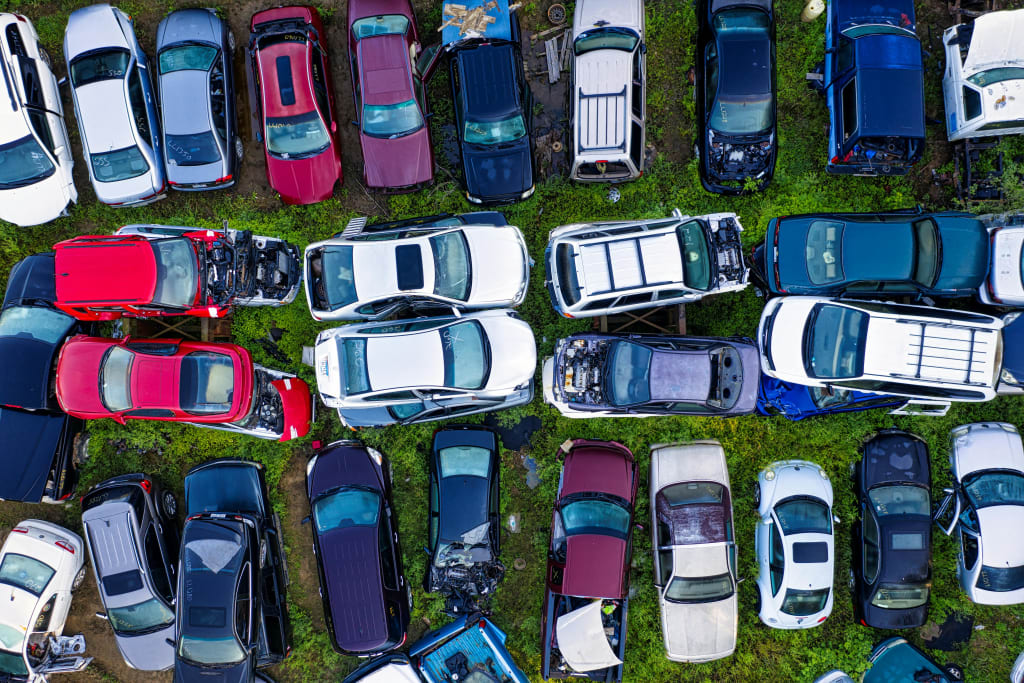
If you're a car enthusiast, you’ve likely found yourself dreaming of restoring a classic, fixing up a project vehicle, or tracking down that one rare part to complete your build. But as online parts marketplaces grow more expensive and OEM components become harder to find, more and more automotive hobbyists are heading somewhere unexpected: the local scrap yard.
The Thrill Of The Hunt
Scrap yards have always had a reputation for being grimy and disorganized, but that image is changing. For many car lovers, these places have become treasure troves of vintage parts, aftermarket upgrades, and hard-to-find components that simply aren’t available elsewhere. Walking through rows of salvaged vehicles offers a thrill that online shopping just can’t match. There’s something satisfying about getting your hands dirty, identifying a part you need, and pulling it out yourself. It’s a more tactile, immersive experience—and for those who enjoy the hands-on process of car restoration, it’s a big part of the appeal.
A More Affordable Way To Build Or Restore
One of the biggest reasons automotive enthusiasts are turning to scrap yards is cost. New parts can be expensive, and aftermarket alternatives don’t always offer the same fit, quality, or reliability. At a scrap yard, it’s not uncommon to find high-quality OEM parts for a fraction of the retail price. From alternators and radiators to full engines and transmissions, the savings can add up fast—especially for hobbyists on a budget. For those who work on multiple vehicles or flip cars as a side hustle, sourcing parts from salvage yards can significantly improve profit margins.
Sustainability Meets Passion
There’s also a growing awareness among car enthusiasts about the environmental impact of automotive waste. Every year, millions of vehicles are scrapped, many of which still contain usable parts. By repurposing components from junk cars, enthusiasts are contributing to a more sustainable cycle of reuse and recycling. Scrap yards themselves have become more eco-conscious, too. Many now operate under strict environmental regulations, ensuring that fluids are safely drained and harmful materials are properly handled. For hobbyists who care about reducing their carbon footprint, buying used parts is a small but meaningful step.
Junk Cars Are More Valuable Than Ever
It’s not just about finding parts—it’s also about offloading old vehicles. With the rising demand for recyclable materials like aluminum, copper, and steel, junk cars have become increasingly valuable. Many car removal services offer cash for unwanted vehicles, especially if they contain sought-after parts. Companies like Cash For Cars Caboolture make the process simple. They pick up the vehicle for free, pay cash on the spot, and ensure the car is recycled or repurposed responsibly. That’s a win-win for enthusiasts who need to clear space in the garage for their next project.
Community, Learning, And Connection
Beyond the practical benefits, visiting a scrap yard is also a social experience. Many enthusiasts meet others with similar interests while scouring yards for parts or asking questions about specific models. For newcomers, it’s a great way to learn from more experienced builders and connect with the broader automotive community. Some scrap yards even host events or offer workshops for DIYers, giving enthusiasts a chance to learn new skills and expand their knowledge.
Access To Rare Or Discontinued Parts
A major challenge in restoring older vehicles is sourcing rare or discontinued parts. Many automakers stop producing replacement parts after a certain number of years, leaving owners with few options. Scrap yards often become the last place to find those hard-to-get items, from classic dashboards and instrument panels to obsolete electrical components. For restorers, these parts can mean the difference between a finished car and a stalled project. In many cases, the only way to bring an older car back to life is by finding those key components buried in the yard.
A Training Ground For Future Mechanics
Scrap yards also serve as practical learning grounds for aspiring mechanics and DIY repairers. Unlike classroom settings, these environments allow enthusiasts to work on real vehicles in real-world conditions. Whether you're removing an alternator for the first time or learning how suspension systems are put together, there’s no substitute for hands-on experience. Many trade students and home mechanics visit scrap yards not only to save money on parts but also to build their skills and confidence.
Improved Organization And Inventory Systems
Modern scrap yards aren’t as chaotic as they once were. Thanks to advancements in inventory technology, many now maintain digital catalogs that make it easy to search for specific vehicles or parts. You can often call ahead or browse online to check availability, saving time and effort. Some yards even tag parts with barcodes and offer warranties on major components. These upgrades make the experience more efficient and trustworthy—especially for enthusiasts who know exactly what they’re looking for.
Final Thoughts
Scrap yards aren’t just places where old cars go to die. They’re becoming vital hubs for automotive creativity, sustainability, and affordability. Whether you’re looking to restore a classic, modify your ride, or save money on repairs, there’s a good chance your next great find is waiting in a local salvage yard.
Emily Logue — Car Recycling & Auto Industry Expert
Passionate about sustainable car disposal and industry trends at Cash For Unwanted Cars
Address: 4 Duntroon St, Brendale QLD 4500, Australia
Phone: 0405553001
About the Creator
Emily Logue
Hi there, Emily Logue here, I’m the Senior Automotive Expert at Cash for Unwanted Cars in Brisbane. My career in the automotive industry began over a decade ago, and since then, I have focused on making vehicle sales simple and easy.
Keep reading
More stories from Emily Logue and writers in Lifehack and other communities.
Why Scrapping Your Old Car Is Better Than Selling It Privately
If you have an old car sitting in your driveway or garage, you're probably wondering what to do with it. Should you try to sell it privately or just scrap it? While selling might sound like the better way to make some money, it's not always the most practical choice—especially if the car is in poor condition. In many cases, scrapping your car is faster, easier, and better for both your wallet and the environment.
By Emily Logue9 months ago in Lifehack
Smartphones Are Better Than Ever
A few years ago, it was fun to get a new phone. You took it out of the box, looked at all the features, tried out the camera, and felt that calm joy that comes with possessing something truly new. Smartphones are objectively more powerful than ever today, with faster processors, smarter software, and better displays. But the enthusiasm is essentially gone.
By abualyaanart2 days ago in Lifehack
Autonomy Is The Real Privilege
Good morning, freedom-seekers! Today we’re gonna be looking at autonomy. A strange word, I know; one many would probably look at blankly and run away from on sight. We’re gonna figure out what it actually means, consider how it’s achieved, and decipher just how deeply most of us are tangled up in dependence without realising it.
By That ‘Freedom’ Guy3 days ago in Humans




Comments
There are no comments for this story
Be the first to respond and start the conversation.