
Why Access Control Systems Are Becoming Essential for Australian Businesses
Access Control Systems


In an age where workplace safety and security are paramount, businesses across Australia are rethinking how they manage access to their premises. From corporate offices to retail shops and medical centres, the days of handing out physical keys are quickly fading. Enter the Access Control Security System — a smart, scalable solution built for the modern business.
What Is an Access Control Security System?
At its core, an access control system is designed to manage who can enter or exit specific areas of a building — and when. Unlike traditional locks, these systems use electronic credentials such as swipe cards, PINs, mobile devices, or even biometric data to verify identity and allow entry.
Not only do they offer enhanced security, but they also provide real-time visibility into who’s accessing what and when — a key benefit for organisations looking to improve accountability and operational efficiency.
In today’s hybrid work environments, where people may access a site on a rotating or flexible schedule, the ability to easily adjust permissions adds a new level of control. For example, a contractor might have building access only on weekdays between 8am and 5pm — and only to designated areas. That level of precision isn’t possible with old-fashioned key systems.
How Do These Systems Work?
Despite their high-tech appearance, access control systems follow a simple process:
Identification — A user presents their credentials via card, code, fingerprint, or smartphone.
Verification — The system checks whether the user is authorised to access that space at that specific time.
Access Decision — If approved, entry is granted. If not, the system denies access.
Activity Logging — Every attempt is logged for auditing, compliance, and incident review.
Remote Control (Optional) — Cloud-based systems enable admins to monitor and manage access from anywhere.
The system can also integrate with alarms or CCTV, automatically triggering an alert if someone tries to force a door open or access an unauthorised area. This added layer of response is critical in high-risk environments such as data centres or pharmaceutical storage.
Types of Access Control Systems
Not all businesses have the same needs, which is why access control comes in a variety of forms:
Standalone Systems — Perfect for smaller businesses with a limited number of doors.
Networked or Centralised Systems — Great for larger premises needing real-time monitoring and scalable control.
Cloud-Based Solutions — Ideal for multi-site businesses or those seeking remote access and easier system updates.
More advanced systems even offer integration with HR or scheduling software, allowing permissions to be updated automatically based on employment status, shift patterns, or training certifications. This reduces manual admin work and helps maintain security standards without constant oversight.
Why More Australian Businesses Are Making the Switch
Beyond simply keeping intruders out, modern access control helps businesses address several operational and compliance concerns:
Protect Staff and Visitors — Limit access to sensitive or dangerous areas.
Track Who’s On-Site — Know exactly who is in your building, which is vital during emergencies or audits.
Eliminate Lost Key Risks — Credentials can be instantly revoked or reassigned.
Support WHS Compliance — Ensure only authorised personnel can access high-risk zones.
Deter Internal Threats — Prevent unauthorised access by staff, contractors or visitors.
It’s also an excellent way to support contactless access — something that became crucial during the COVID-19 pandemic and continues to be a priority for hygiene-conscious workplaces. Mobile-based systems, in particular, offer secure entry without needing to touch shared surfaces or carry physical cards.
Who Should Be Considering Access Control?
Access control is no longer just for high-security government or defence sites. Today, it’s a must-have for any business with people, property, or data to protect.
You’ll find these systems widely used in:
Corporate offices
Warehouses and logistics hubs
Healthcare facilities
Government buildings
Schools and universities
Construction and industrial sites
Retail centres
Even co-working spaces and residential complexes are adopting access control to manage shared entry points, provide temporary access for guests, and reduce the costs associated with lost keys or rekeying locks.
Final Word
A modern Access Control Security System offers far more than just keyless entry. It provides visibility, flexibility, and peace of mind — helping Australian businesses protect what matters most while keeping operations smooth and secure.
Whether you're upgrading your current system or installing access control for the first time, it's wise to consult a trusted security provider who can assess your needs, recommend the right setup, and ensure compliance with Australian standards. In the long run, the investment pays off in both safety and operational simplicity.
About the Creator
ICORP Security
ICORP Security is a proudly Australian-owned security company, based in Melbourne that provides security guarding services across Victoria and all other states in Australia.
Keep reading
More stories from ICORP Security and writers in Lifehack and other communities.
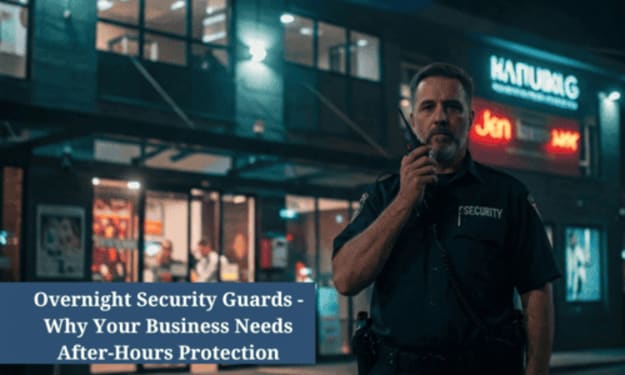
Why Overnight Security Guards Are Crucial for After-Hours Business Protection
When your team clocks off and the lights go out, your business may be more vulnerable than you realise. Most break-ins, vandalism, and unauthorised activity occur after hours — under the cover of darkness when no one is around to intervene.
By ICORP Security8 months ago in Lifehack
How to Build a Home Gym You’ll Actually Use (Not One That Collects Dust)
Building a home gym sounds simple: buy some equipment, set it up, and train whenever you want. In reality, many home gyms end up unused after the initial excitement fades. The problem usually isn’t motivation or discipline—it’s design.
By Enrique Navarro3 days ago in Lifehack
The Nutrient Gap No One Talks About When It Comes to Focus and Attention
Key Takeaways Taking the proper nutrients helps maintain optimal body function. The vagus nerve is a vital component in the connection between the brain and the gut. The right supplements, such as Neupril Pure Methylfolate, play a key role in helping clear brain fog.
By Tess DiNapolia day ago in Lifehack


Comments