
Which Mattress Is Best for You? A Complete Guide Based on Sleep Position
Your sleep position significantly influences which mattress will provide you with the most comfortable and supportive night's sleep. Each sleeping style creates different pressure points and alignment needs that the right mattress must address.

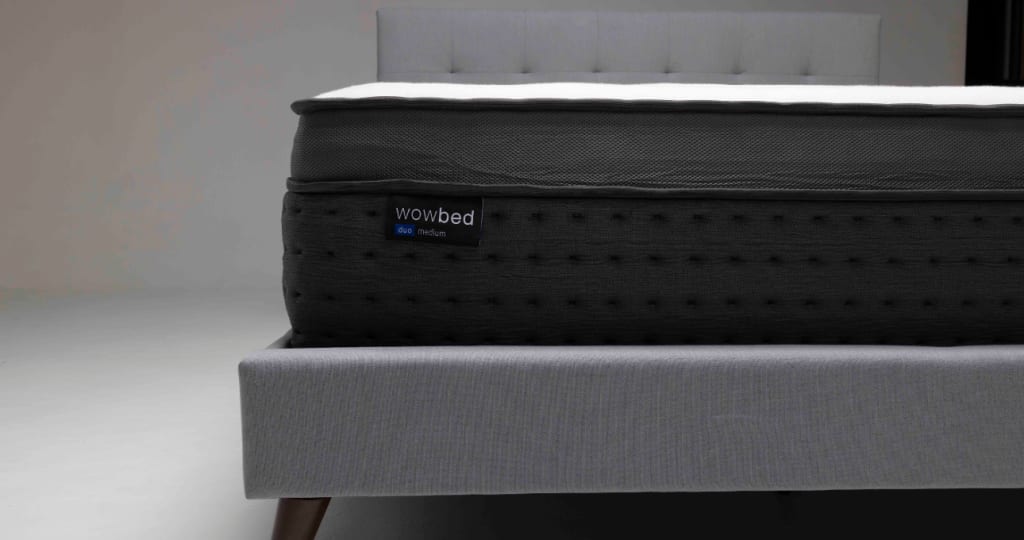
This comprehensive guide breaks down the best mattress options based on whether you're a side sleeper, back sleeper, stomach sleeper, or combination sleeper.
Side Sleepers: Pressure Relief and Contouring
Best Firmness Range: Medium-Soft to Medium (4-6 on a 10-point firmness scale)
Side sleeping is the most common position, with approximately 70% of adults preferring it. This position creates significant pressure on shoulders and hips, making pressure relief essential.
What Side Sleepers Need:
- Enhanced pressure relief at shoulders and hips
- Contouring materials that cradle pressure points
- Proper spinal alignment with sufficient support for the waist
- Surface softness with underlying support
Recommended Mattress Types:
Memory foam mattresses with medium firmness provide excellent pressure relief and body contouring.
Latex hybrid mattresses offer natural pressure relief with more responsiveness.
Softer hybrid mattresses with zoned support systems target pressure points while maintaining alignment.
Materials to Look For:
CertiPUR-US certified memory foam for contouring without harmful chemicals
Oeko-Tex Standard 100 certified fabrics for non-toxic covers
Back Sleepers: Spinal Support and Moderate Contouring
Best Firmness Range: Medium to Medium-Firm (5-7 on a 10-point firmness scale)
Back sleeping is considered one of the healthiest positions because it naturally maintains proper spinal alignment, but the right mattress is still crucial.
What Back Sleepers Need:
- Balanced support throughout the body
- Mild to moderate contouring that supports the natural curve of the spine
- Enhanced lumbar support to prevent lower back pain
- Even weight distribution to reduce pressure points
Recommended Mattress Types:
- Medium-firm memory foam mattresses with reinforced lumbar support
- Latex mattresses for natural support with minimal sinking
- Hybrid mattresses that combine supportive coils with comfort layers
- Responsive innerspring mattresses with quality pillow tops
Materials to Look For:
- High-density support cores to prevent sagging
- Lumbar-enhanced design features
- CertiPUR-US certified foams for durability and safety
- Reinforced middle sections for added support under the heaviest part of the body
Stomach Sleepers: Firmness and Minimal Sinking
- Best Firmness Range: Medium-Firm to Firm (7-9 on a 10-point firmness scale)
- Stomach sleeping is the least common position and can place strain on the spine if not properly supported.
What Stomach Sleepers Need:
- Firmer surface to prevent excessive sinking of the midsection
- Minimal contouring to maintain neutral spine alignment
- Strong support core to keep the body level
- Enhanced breathability as more body surface contacts the mattress
Recommended Mattress Types:
- Firm innerspring mattresses with minimal pillow tops
- High-density foam mattresses with reinforced support cores
- Firm latex mattresses that resist sinking
- Hybrid mattresses with firm comfort layers and strong coil systems
Materials to Look For:
- Oeko-Tex Standard 100 certified breathable covers
- High-gauge coil systems for enhanced support
- Firmer comfort layers that prevent the belly from sinking
- Cooling technologies to offset increased body contact with the mattress
Combination Sleepers: Responsiveness and Balanced Support
- Best Firmness Range: Medium (5-6.5 on a 10-point firmness scale)
- Combination sleepers change positions throughout the night, requiring a versatile mattress that accommodates multiple sleeping positions.
What Combination Sleepers Need:
- Responsive surface that allows for easy position changes
- Balanced pressure relief and support for all sleeping positions
- Medium firmness that works reasonably well for different positions
- Minimal motion transfer for those sharing a bed
Recommended Mattress Types:
- Latex mattresses for natural bounce and responsiveness
- Responsive hybrid mattresses with pocketed coils
- Moderate memory foam mattresses with faster response time
- Dual-sided mattresses that can be flipped to change firmness
Materials to Look For:
- CertiPUR-US certified responsive foams
- Individually wrapped coils for targeted support
- Latex or latex alternatives for natural bounce
- Medium-density comfort layers that adapt to position changes
Special Considerations
Temperature Regulation
Side and stomach sleepers have more body surface contact with the mattress, making cooling features more important
Look for:
- Gel or copper-infused foams
- Phase change materials
- Breathable covers
- Open-cell or perforated foam structures
- Coil systems that promote airflow
Body Weight Considerations
Lighter sleepers (under 130 lbs): May need slightly softer mattresses than recommended for their sleep position
Average weight sleepers (130-230 lbs): Standard recommendations typically work well
Heavier sleepers (over 230 lbs): Should consider slightly firmer options with enhanced support and durability
Testing Your New Mattress
Regardless of sleep position, allow adequate time to adjust to your new mattress:
Most manufacturers recommend a 30-day adjustment period at minimum
Take advantage of sleep trials (typically 100-365 nights)
Test the mattress in your actual sleep position for at least 15 minutes when possible
Check for pressure points, alignment, and ease of movement
Certifications to Look For
- CertiPUR-US: Ensures foams are made without ozone depleters, certain flame retardants, mercury, lead, formaldehyde, and regulated phthalates, and have low VOC emissions
- Oeko-Tex Standard 100: Certifies that every component has been tested for harmful substancess
Quality and safety certifications ensure your mattress is free from harmful chemicals and built to last:
Conclusion
Your sleep position is one of the most important factors in choosing the right mattress. Side sleepers benefit from pressure-relieving surfaces with medium softness, back sleepers need balanced support with moderate firmness, stomach sleepers require firm surfaces to prevent sinking, and combination sleepers do best with responsive, medium-firm mattresses.
Remember that individual preferences, body type, and specific health concerns may necessitate adjustments to these general guidelines. The best mattress ultimately combines the right support for your sleep position with your personal comfort preferences and any special considerations you might have.
By understanding how your sleep position affects your mattress needs, you can make an informed decision that will provide years of comfortable, supportive sleep.
About the Creator
wowbeds
Premium Mattress in a Box and Bed Frames & Tips for lifestyle & sleeping Guides
What to Expect When Moving Within Boise
Moving within the same city is often seen as a simple task. Many Boise residents assume that because the distance between homes is short, the move itself will be quick and easy. In reality, local moves come with their own challenges, and overlooking them can lead to unnecessary stress. Understanding what to expect before moving day can make the process far more organized and manageable.
By House Doctor3 days ago in Lifehack
How Long Do Pregnancy Hormones Last After Abortion?
The pregnancy hormone, hCG (Human Chorionic Gonadotropin) is produced naturally in the body during conception. This hormone is vital in development and maintenance of the uterine lining where the fertilized egg implants. It also helps in the fetal growth, staying at peak levels especially in the first trimester of the pregnancy. If you recently had an abortion, you may wonder how long hCG hormone would stay in your system.
By Alice Perry5 days ago in Lifehack


Comments