
Which Is Better: Medicinal Water Hydrosol or Essential Oil?
The debate between medicinal water and essential oils isn't as simple as it seems. After reviewing the research, I've realized it's like asking whether a gentle stream or a powerful waterfall is "better"; both have their own purposes.

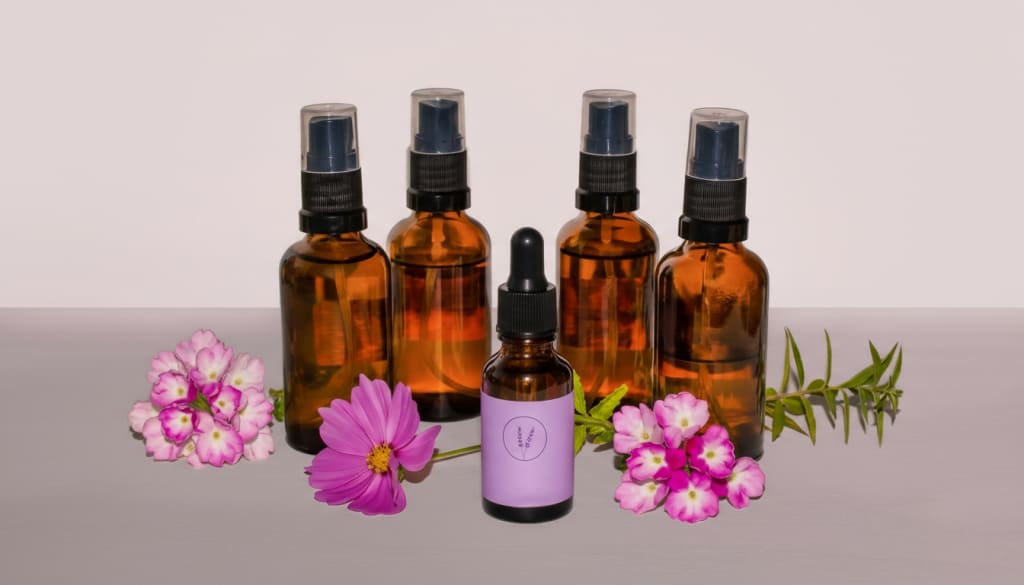
You've probably heard about medicinal water hydrosol and aromatic waters becoming popular in wellness communities. There's a good reason for this excitement, but it took me some time to fully grasp what these plant-based waters were all about.
When I first came across the discussion of medicinal water vs essential oils, I was doubtful. How could something as basic as water compete with the powerful concentration of essential oils?
The truth is that both medicinal water (which includes hydrolates) and essential oils have their own parts to play in natural health. Even so, they work in very different ways because their chemical makeups are different.
After doing a lot of research and trying both methods myself, this isn't a choice between the two. It's more about knowing what each one is good at and when to use it, especially when you think about the different types of medicinal and aromatic plants.
Understanding the Fundamentals of Medicinal Water Hydrosol
Hydrosols, also called floral waters or aromatic waters, are what's left over when plants go through steam distillation. Think of it this way—when producers make essential oils through distillation processes for hydrosols and essential oils, they're essentially separating the plant into two parts: the oil-soluble compounds (which become the essential oil) and the water-soluble compounds (which create the hydrosol).
What I find fascinating is that hydrosols contain completely different therapeutic compounds than their essential oil counterparts. While essential oils capture the lipophilic (fat-loving) molecules like terpenes and esters, hydrosols contain the hydrophilic (water-loving) compounds such as plant acids, flavonoids, and other water-soluble actives. These bioactive compounds play a crucial role in the therapeutic properties of hydrosols.
The concentration difference is striking. Hydrosols typically contain only 0.005% to 0.2% of volatile compounds, making them incredibly gentle compared to essential oils. This might sound like a weakness, but it's actually their superpower; they can be used directly on skin without dilution.
The hydrosol chemical characterization reveals that these low concentrations still offer significant benefits due to the unique properties of the dissolved compounds.
Analytical methods, such as gas chromatography-mass spectrometry (GC-MS), are essential for studying the composition of hydrosols and understanding how different factors during the distillation process affect their quality and therapeutic effects.
The Concentrated Power of Essential Oils
Essential oils are nature's powerhouses, containing highly concentrated aromatic compounds that can be 50 to 100 times more potent than the original plant material.
These concentrated extracts work primarily through the olfactory system, where scent molecules travel through the nose to the brain's limbic system, affecting emotions and memory.
The therapeutic effects are well-documented. Lavender essential oil, for instance, activates the GABAergic system to reduce anxiety and improve sleep quality.
Rosemary oil enhances dopamine activation, explaining its cognitive benefits. Additionally, oils like oregano essential oil and thyme essential oil are known for their antimicrobial activity due to compounds such as carvacrol and thymol. These mechanisms are powerful and targeted, which explains why aromatherapy has gained such scientific credibility.
Moreover, many essential oils possess antioxidant activity, helping to protect cells from damage caused by free radicals. However, this potency comes with responsibility.
Essential oils typically require dilution to 1-5% for safe topical use. Using them undiluted can cause skin irritation, chemical burns, or sensitization reactions.
Therapeutic Applications: Where Each Shines
Hydrosols
- Cosmetic Bioactives: Rose hydrosol is widely used in skincare for its hydrating and anti-inflammatory properties, making it ideal for soothing sensitive skin.
- Food Additives: Lavender hydrosol can be incorporated into culinary recipes for its unique flavor and calming effects, often used in desserts or as a component in salad dressings.
- Biopesticides: Peppermint hydrosol acts as a natural insect repellent in gardening, helping to deter pests while being gentle on beneficial insects.
- Anti-tumour Agents: Chamomile hydrosol is studied for its potential anti-tumour properties due to its antioxidant content, offering support in complementary therapies.
Essential Oils
- Cosmetic Bioactives: Tea tree oil is renowned for its antiseptic properties, making it a staple in acne treatments and other skincare products designed for blemish-prone skin.
- Food Additives: Lemon essential oil is commonly used in cooking and baking for its bright flavor and preservative qualities, enhancing dishes while providing antimicrobial benefits.
- Biopesticides: Neem oil is an effective natural pesticide, used to control a wide range of agricultural pests while minimizing harm to the environment.
- Anti-tumour Agents: Frankincense essential oil has been researched for its potential anti-cancer properties, with studies suggesting it may help inhibit the growth of specific tumour cells.
Skincare and Topical Use
Hydrosols excel in this area due to their unique biological properties. Since they can be applied directly to the skin, they're perfect for daily use as facial toners, body mists, or soothing sprays.
I've noticed that chamomile hydrosol works beautifully for calming irritated skin, while rose hydrosol provides gentle hydration without any risk of reaction.
These cosmetic bio-actives are not only effective but also must comply with regulatory aspects such as European Commission safety standards.
Essential oils, when properly diluted, offer more targeted therapeutic effects.
Tea tree oil (properly diluted) can address specific skin concerns, while lavender oil provides potent anti-inflammatory benefits. However, they require more careful preparation and patch testing, in accordance with FDA guidelines for skincare products.
Aromatherapy and Emotional Wellness
This is where essential oils typically take the lead. The concentrated aromatic compounds in essential oils like frankincense, bergamot, and ylang-ylang can produce profound effects on mood and stress levels by stimulating the olfactory system.
Research shows that different essential oils vary significantly in their volatile compound concentrations, which influences their effectiveness in managing conditions such as anxiety and sleep disorders. For example:
- Bergamot oil has a high concentration of limonene, known for its uplifting properties.
- Lavender essential oil is rich in linalool, which promotes relaxation.
Hydrosols: A Gentle Approach to Aromatherapy
Hydrosols offer a gentler aromatherapy experience. They're perfect for those who find essential oil scents too intense or for creating a subtle, ambient fragrance in living spaces.
Because hydrosols contain lower concentrations of volatile compounds than their essential oil counterparts, they provide a milder effect on the olfactory system. Lavender hydrosol sprayed on pillows, for instance, offers a mild calming effect without overwhelming the senses.
Safety Considerations for Essential Oils and Hydrosols
It's important to consider safety aspects when using essential oils and hydrosols:
- Always dilute essential oils properly before applying them to the skin.
- Be aware of potential allergies or sensitivities.
- Hydrosols are generally safer for direct use but should still be tested for individual reactions.
Internal Use and Medicinal Applications
Interestingly, hydrosols have a longer history of internal use than essential oils. In traditional medicine systems, medicinal waters made from herbs like holy basil, ginger, and peppermint were consumed to treat respiratory issues and digestive concerns. Even today, over 50 different hydrosols are used as nutritive waters in Iran.
Essential oils, while some can be used internally, require extensive knowledge and caution. The concentration makes them unsuitable for casual internal use without professional guidance.
When considering the internal use of hydrosols, standardization and quality control are crucial. Practices such as residual essential oil recovery from hydrosols can influence their composition and therapeutic properties.
Consumers need to verify that hydrosol products comply with safety standards established by authorities such as the FDA or the European Commission. These guidelines help guarantee the purity and safety of hydrosols, reducing the risk of contamination and ensuring that they are suitable for medicinal use.
Production Methods and Quality Considerations
The production process significantly affects the therapeutic value of both products.
Medicinal Water Hydrosol Production
- Steam Distillation: This method captures the cellular water from fresh plants, preserving what some practitioners refer to as the "life force" of the plant.
- Hydro Distillation: Another technique that uses water as a medium to facilitate the extraction process, allowing for a gentler approach that may preserve more delicate aromatic compounds.
Essential Oil Extraction Methods
Essential oil extraction can be achieved through various methods, including:
- Steam Distillation
- Cold Pressing
- Solvent Extraction
Within steam distillation, techniques such as using a Clevenger apparatus can enhance the efficiency of oil recovery. Other modern methods, such as microwave-assisted extraction and ultrasonic-assisted extraction, are gaining popularity due to their ability to reduce extraction time while preserving the quality of the essential oils.
However, it's important to note that the chosen method affects both the chemical composition and therapeutic properties of the final product; for instance, steam distillation tends to preserve more therapeutic compounds compared to solvent extraction methods.
Importance of Quality
Quality matters enormously for both products. Pure hydrosols should contain no additives, preservatives, or synthetic fragrances. They typically have a shelf life of 6-12 months and should be stored in cool conditions to prevent bacterial contamination.
Additionally, consideration of the environmental impact of byproducts generated during these extraction processes is crucial. Some methods may generate significant waste or produce harmful residues that impact local ecosystems, while others offer more sustainable alternatives.
Safety Profile and Accessibility
Perhaps the most significant advantage of medicinal water hydrosol is its safety profile. Their gentle nature makes them suitable for individuals with sensitive skin, children, older adults, and those with fragrance sensitivities.
There's minimal risk of adverse reactions when using quality hydrosols, making them a preferred choice for consumer safety of hydrosol products.
Essential oils require more caution. Proper dilution ratios must be followed, typically 1-2% for daily use, with higher concentrations reserved for specific therapeutic applications. Certain oils can cause photosensitivity, and some people may develop allergic reactions over time.
It's essential to ensure that these oils are sourced from producers who adhere to standardized practices for quality control in hydrosol production.
Cost-Effectiveness and Sustainability
Hydrosols are a practical choice for several reasons:
- Value for money: A small amount of hydrosol can be used without dilution, making it last longer. They are often cheaper than essential oils.
- Sustainable production: Hydrosols are produced alongside essential oils, making efficient use of plant materials and minimizing waste. This supports the concept of a circular economy, where resources are utilized efficiently and effectively.
The Role of Hydrosols in a Circular Bio-Based Economy
In a circular bio-based economy, hydrosols play an important role as byproducts. Their production not only maximizes the use of plants but also reduces waste from essential oil extraction processes.
Industries can promote environmental sustainability by incorporating hydrosols into various applications such as cosmetics, food flavoring, and natural remedies.
Environmental Impact of Essential Oil Extraction
On the other hand, traditional methods of extracting essential oils can have significant environmental consequences:
- Energy and water consumption: Techniques such as distillation or solvent extraction require substantial amounts of energy and water.
- Waste generation: These methods produce waste materials that may be difficult to dispose of or recycle.
- Farming practices: The cultivation methods used for aromatic plants in essential oil production often involve intensive farming, which can lead to soil degradation and a loss of biodiversity.
Cost Considerations
While essential oils may be more expensive initially due to their concentrated form, they can still be cost-effective in the long run. When diluted adequately for use, a single bottle can last for months.
Making the Right Choice for Your Needs
The question of which is "better" really depends on what you're trying to achieve. If you're looking for gentle, daily skincare support, medicinal water hydrosol is likely your best bet. The ability to use them directly without dilution, combined with their safety profile, makes them ideal for routine use.
For targeted therapeutic effects, whether for stress management, sleep support, or specific health concerns, essential oils offer more concentrated benefits. The key is learning proper dilution and safety protocols.
I've found that many people benefit from using both. Hydrosols for daily maintenance and gentle support, essential oils for specific therapeutic goals or when stronger effects are needed.
The Science Behind Synergistic Use
Recent research suggests that combining hydrosols and essential oils might offer synergistic benefits. The water-soluble compounds in hydrosols can enhance the absorption and effectiveness of essential oils when used together, though more research is needed to understand these interactions fully.
Some practitioners create blends where hydrosols serve as the base for essential oil dilutions, potentially offering broader therapeutic benefits than using either alone. This approach combines the gentle, hydrating properties of hydrosols with the concentrated therapeutic effects of essential oils.
For those just starting their journey with natural wellness, I'd honestly recommend beginning with medicinal water hydrosol. They're forgiving, versatile, and offer an excellent introduction to plant-based therapeutics.
Once you're comfortable with hydrosols, you can gradually explore essential oils with the knowledge and confidence to use them safely and effectively. Both have earned their place in modern natural wellness; it's just a matter of understanding when and how to use each one appropriately.
About the Creator
Best Home Aroma
Transforming your home’s atmosphere is effortless with our hand-picked selection of home diffusers and essential oils. Discover the perfect scent to create a cozy and inviting ambiance with ease.
Keep reading
More stories from Best Home Aroma and writers in Lifehack and other communities.
The Essential Role of a Quantum Expert Witness in High-Tech Litigation
With the increasing speed in quantum technology, quantum computing, cryptography, telecommunications, and advanced materials, cases are increasingly pitting themselves against each other in courts. They are the cases when one has to deal with the concepts that are much higher, which is why the assistance of a professional specialist cannot be avoided. When the stakes involve intellectual property, algorithm performance, or the integrity of quantum systems, attorneys often rely on a quantum expert witness to clarify and validate the complex scientific issues at the heart of the dispute.
By Jane Smithha day ago in Lifehack



Comments
There are no comments for this story
Be the first to respond and start the conversation.