
When to Wear Compression Socks While Pregnant for Best Circulation
Compression Socks While Pregnant

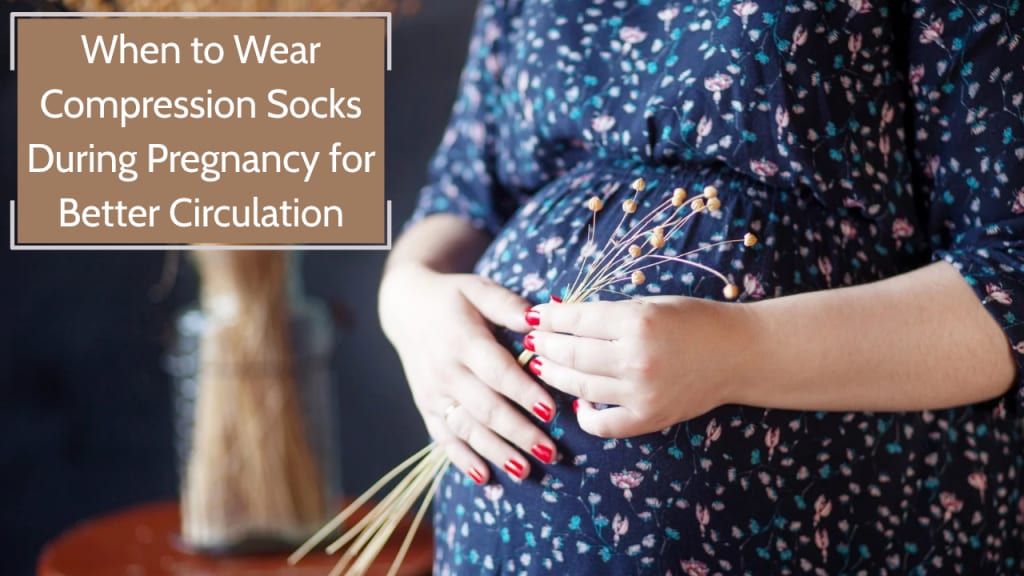
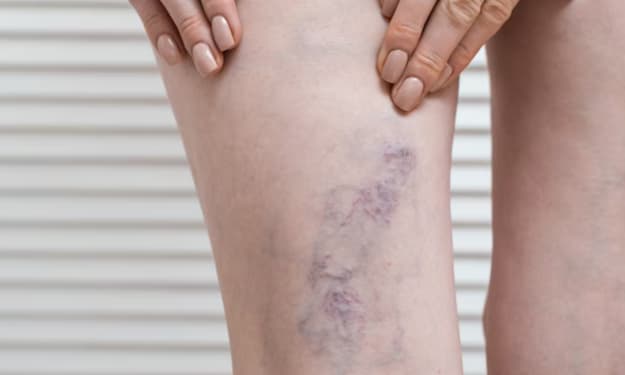
Pregnancy brings about many changes in the body, including increased blood volume and hormonal shifts that can affect circulation. Many expectant mothers experience swelling, leg pain, and varicose veins due to the extra pressure on their veins. Wearing compression socks can be a simple yet effective way to promote better circulation and relieve discomfort. But when is the best time to wear them for maximum benefit? Let’s explore the ideal timing and ways to get the most out of compression socks during pregnancy.
Why Compression Socks Matter During Pregnancy
Compression socks apply gentle pressure to the legs, helping to improve blood flow and reduce swelling (edema). During pregnancy, the growing uterus puts pressure on veins, slowing circulation and increasing the risk of varicose veins and deep vein thrombosis (DVT). Compression socks help counteract these issues by encouraging blood to flow back toward the heart instead of pooling in the lower legs and feet.
According to WebMD, compression socks can also help relieve leg cramps and discomfort, making them a valuable addition to a pregnancy care routine.
Best Times to Wear Compression Socks During Pregnancy
1. In the Morning Before Swelling Starts
The best time to put on compression socks is in the morning before swelling sets in. When you sleep, fluid buildup in the legs is minimized due to the horizontal position of the body. Putting on compression socks before standing up helps maintain proper circulation throughout the day.
2. During Long Periods of Sitting or Standing
If your daily routine involves extended periods of sitting (such as working at a desk) or standing (such as running errands), wearing compression socks can be highly beneficial. Standing for long hours can cause blood to pool in the legs, while prolonged sitting can lead to sluggish circulation. Compression socks keep the blood flowing and prevent discomfort.
3. While Traveling
Whether you’re taking a long car ride or flying on an airplane, sitting for extended periods can increase the risk of swelling and blood clots. The CDC recommends wearing compression socks during travel to reduce the risk of DVT, especially for pregnant women.
4. During Exercise and Light Activity
Gentle movement, such as prenatal yoga or walking, is encouraged during pregnancy to support circulation. Wearing compression socks while exercising can help reduce muscle fatigue and provide additional support for the veins.
5. At the End of the Day (If Needed)
Some women experience swelling and leg discomfort in the evening after a long day. If this is the case, wearing compression socks for a few hours in the evening while elevating your legs can help alleviate discomfort.
Choosing the Best Compression Socks for Pregnancy
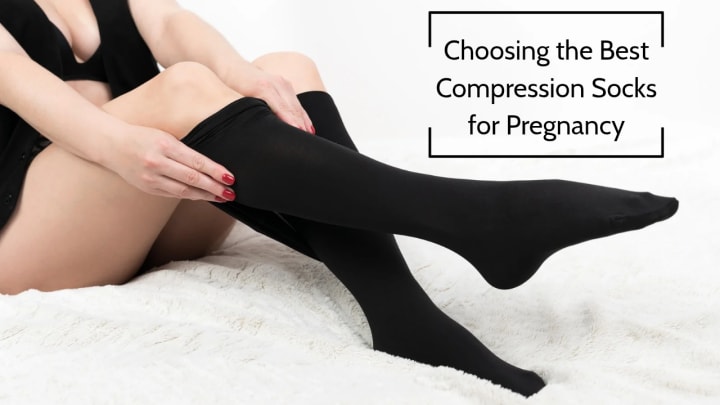
Not all compression socks are created equal. Here are some key factors to consider when selecting the best pair:
Graduated Compression: Opt for graduated compression socks, which are tighter at the ankle and gradually loosen up the leg, helping to push blood back toward the heart.
Compression Level: Compression socks come in different pressure levels, typically measured in millimeters of mercury (mmHg). For pregnancy, a moderate compression level (15-20 mmHg) is often recommended, but consult a healthcare provider for personalized advice.
Material and Comfort: Look for breathable, moisture-wicking fabrics to prevent discomfort and irritation.
Ease of Use: Compression socks can be snug, so choosing a pair with a stretchable design makes them easier to put on and take off.
Additional Tips for Healthy Circulation During Pregnancy
In addition to wearing compression socks, here are other ways to promote better circulation and reduce swelling:
Stay Hydrated: Drinking plenty of water helps flush out excess sodium, reducing fluid retention.
Elevate Your Legs: Whenever possible, prop your legs up to encourage blood flow back to the heart.
Engage in Regular Movement: Light exercise, such as walking or stretching, keeps blood flowing and reduces swelling.
Avoid Tight Clothing: Wearing loose-fitting clothes prevents additional pressure on circulation.
Sleep on Your Left Side: This position reduces pressure on the vena cava, the large vein that carries blood from the lower body to the heart.
When to Consult a Doctor
While compression socks are generally safe for most pregnant women, it’s always best to consult a healthcare provider before use. If you experience persistent swelling, severe leg pain, or signs of a blood clot (such as redness, warmth, or pain in the calf), seek medical attention immediately.
Final Thoughts
Compression socks can be a game-changer for expectant mothers dealing with swelling, discomfort, and circulation issues. By wearing them at the right times—such as in the morning, during long periods of standing or sitting, and while traveling—you can enhance circulation and reduce pregnancy-related leg discomfort. Pairing compression socks with healthy habits like hydration, movement, and elevation can further improve your overall well-being during pregnancy.
If you're looking for high-quality compression socks designed for pregnancy, be sure to explore trusted brands that offer breathable, comfortable options for all-day support. Investing in the right pair can make a significant difference in your comfort and circulation throughout your pregnancy journey.
About the Creator
SNUG360
Snug360 provides you with comfortable and pain-relief medical products. Our product is designed and made in the USA to keep the standard high and exceed the needs of people. To view and buy our products visit our website: www.snug360.com
Aroma vs Cuckoo Rice Cooker: Which Should You Buy in 2026?
Choosing between brands can feel hard, especially with something you use every week. When I compare Aroma vs Cuckoo rice cooker, I notice key differences in price, features, and long-term value. I’ve looked closely at both, and here’s what stands out so you can decide which one fits your kitchen best.
By Mohammed mamuna day ago in Lifehack
The Power of One Small Rule
Farhan had tried everything people recommended for self-improvement. Morning routines, productivity apps, motivational videos, strict schedules that collapsed within days. Each attempt began with enthusiasm and ended in quiet frustration. He always blamed his lack of discipline, believing some people were simply born better at managing life.
By Sudais Zakwan5 days ago in Lifehack



Comments
There are no comments for this story
Be the first to respond and start the conversation.