
When Are You Considered an Influencer in Today’s Digital World
When Are You Considered an Influencer
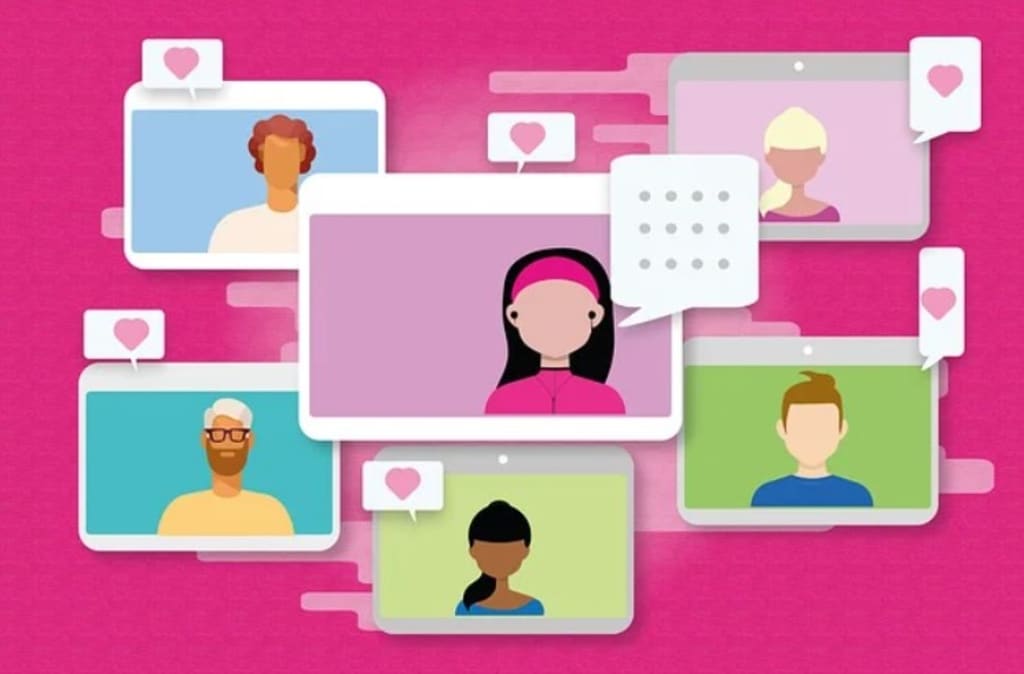
In a world where content travels faster than ever and personal brands drive entire industries, the question "When are you considered an influencer?" matters more than it once did. It’s no longer about celebrity status or follower counts alone. Influence has become more nuanced—and accessible—than ever.
So, what does it really take to earn the title of “influencer”?
Influence Is Not Just About Numbers
While many assume that being an influencer is all about having thousands—or millions—of followers, that’s only part of the story. Micro-influencers, often with as few as 1,000 followers, can have a significant impact within their niche communities. In fact, brands increasingly seek out these creators for their high engagement rates and authentic connections.
Influence comes down to trust, credibility, and the ability to spark action. If your content inspires people to try a product, shift a mindset, or join a conversation, you're already functioning as an influencer.
What Defines an Influencer?
Here are some common indicators that you may already be considered an influencer:
You have a niche – Whether it’s fashion, fitness, tech, or parenting, having a focused content theme helps attract and maintain a loyal audience.
People engage with your content – Comments, DMs, shares, and likes are signs that your voice holds weight in your community.
Brands reach out to you – If companies or creators are asking for collaborations, reviews, or promotions, it’s a strong sign you have influence.
You consistently create content – Being active and regularly posting relevant, thoughtful content helps build authority.
Your audience acts on your recommendations – When people start buying what you suggest or quoting your advice, your influence is clear.
The Moment You Transition from Creator to Influencer
There's often no dramatic shift—just a gradual build-up. The moment you're considered an influencer usually comes when your opinion starts shaping decisions beyond your personal circle.
It might look like:
• A skincare brand DM’ing you to try their new product.
• Followers tagging you in posts saying, “I bought this because of you.”
• Someone referencing your video in a group chat or blog.
• Getting invited to speak, review, or collaborate as a “voice” in your industry.
These are the signs that your content isn’t just being seen—it’s being trusted.
The journey varies for everyone, and many new influencers begin by simply sharing what they love. From there, a community naturally forms around consistent, valuable content.
The Role of Platforms and Communities
Being part of creator-driven forums and niche communities can significantly boost your growth and visibility. Spaces like the influencer forum give creators a chance to share insights, trends, and opportunities with others navigating the same space.
In these spaces, your influence is not just about public recognition but peer respect. When others in your niche seek your opinion or look to your strategy as a model, you've stepped into a new level of influence.
Final Thought: Influence Is Earned, Not Claimed
Ultimately, you’re considered an influencer when your voice carries weight in your community—when your thoughts guide decisions, your presence builds trust, and your platform creates impact.
It’s not a title you claim—it’s one your audience gives you, based on value, authenticity, and the relationship you’ve built with them.
Whether you’re just starting out or already building momentum, the key is consistency, clarity, and connection. Influence begins the moment someone listens—and decides to act.
About the Creator
Jamie Lopez
I am Blogger and Writer
Keep reading
More stories from Jamie Lopez and writers in Lifehack and other communities.
How to Promote Yourself Effectively in a Competitive World
Promoting yourself isn’t just about marketing—it’s about strategically positioning your skills, values, and presence in a way that attracts attention and builds credibility. Whether you're a freelancer, entrepreneur, content creator, or professional climbing the career ladder, understanding how to promote yourself is essential to personal and professional growth.
By Jamie Lopez9 months ago in Lifehack
The Most Common Home Gym Equipment Mistakes — and How to Avoid Them
Buying home gym equipment should feel like a step toward better health and freedom. Instead, many people end up with expensive machines collecting dust, cluttering their space, or breaking far sooner than expected. Most of these problems aren’t caused by bad intentions — they come from a handful of very common mistakes.
By Enrique Navarro7 days ago in Lifehack


Comments
There are no comments for this story
Be the first to respond and start the conversation.