
What You Need To Know About Pool Table Maintenance
Keep your pool table in top shape with our guide to pool table maintenance! From cleaning to replacing parts, we have everything you need to know about keeping your table in perfect condition.
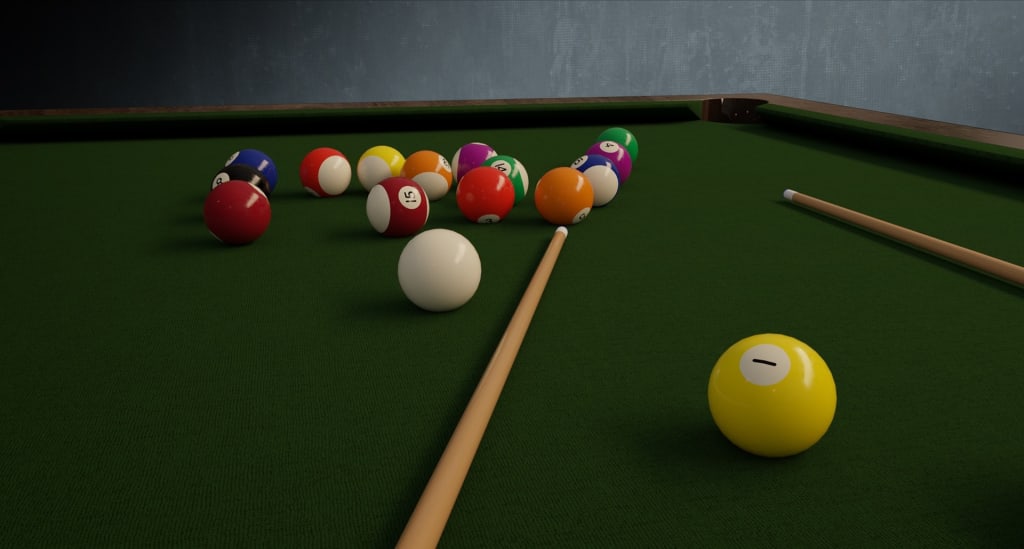
Now that you have that beautiful new pool table in your house, how do you take care of it? And yes, you do need to take care of it. For your best pool table for home use to remain at its great, it needs some love and consideration. However, taking care of a pool table is easy and worth the work!
Nonetheless, you can do a few things to protect and maintain your pool table's surface, pockets, rails, and other essential parts. By following these helpful tips in this article, you can help ensure your pool or snooker table lasts not just one but several lifetimes and provides generations of fun!
Prevent problems
As that adage says, an ounce of prevention is worth a pound of cure. Some things you can do to ensure that your pool table stays in optimum condition are:
Limit exposure to sunlight
If your table is in a room with a lot of windows, keep the table covered. When it's not in use, invest in light-blocking drapes to pull when the sunlight is at its worst. Sunlight can fade your cloth and dry out the wood rails. It doesn't mean you have to treat the table like Dracula; it won't burst into flames if a few ultra-violet rays reach it occasionally, but be aware that if baking in the sun daily, you are risking its looks and performance down the line. A note: be careful about using an incandescent pool light over your table; it will generate heat. Opt for fluorescent or LED bulbs.
Limit moisture
Some basements are notorious for being damp; other rooms for being particularly dry, especially in the winter. Because it is a wood product, your pool table will benefit from regularly being in an area with average humidity, between 40-60%.
Limit damage
With too much sunlight and moisture, try to protect your table from pets, jewelry, food and drink, chalk build-up, rough shots, and human abuse. It is not a cat tree, a dining table, a chalkboard, or a bench. It is also not a bed, so get that idea out of your head. Respect the table.
Routine maintenance
Use a duster cover
Pool table covers are an accessory everyone knows they should use, but very few pool or snooker table owners do. It is a big mistake. When you don't use a cover, you leave your table exposed to dust, pet hair, and sunlight. Dust may not ruin your table, but it makes for more work. On the other hand, pet hair, drool, and claw marks from dogs or cats can do a real number on any pool table.
Lastly, most people don't think about sunlight and the damaging effect of UV rays. The natural light can fade the cloth without a cover and cause considerable damage over time. It will result in the need for cloth repair or replacement. In other words, don't let your pool table cover sit idly in the closet. Pull it out and put it to use whenever you're not playing to keep your table looking and performing like new.
Minimize direct sunlight
As we just touched, the pool table cloth is extremely sensitive to sunlight as it will begin to fade and deteriorate with too much sun exposure. Therefore, if you choose not to use a dust cover, you should take other precautions to protect your pool table from sunlight.
One way to do this is to place your table away from large windows. If you have your pool table in front of the windows and have nowhere else to place it, invest in some sun shades to at least dapple the light and decrease its destructive power on the cloth.
Brush the cloth
Caring for the cloth is critical if you have one of our tables, pool, or snooker table. Dirt, chalk dust, and other particles can break down the cloth's wool fibers over time, so each should be kept to a minimum to prolong its life.
Many pool table owners use dust covers to keep the cloth clean. However, regular brushing with a quality pool table brush is a must, even if you use a dust cover. Ideally, it would help if you brushed the cloth after every playing session. Doing so will extend the lifespan of your pool table's cloth and keep it looking and performing like new.
Guidelines
That said, there's a wrong and right way to brush the cloth. The correct way is to use short, straight brushstrokes and brush in the direction of the nap. It would help if you brushed the table in a single straight line and slightly overlapped each brush stroke. At the end of each stroke, lift the brush up. It will lift the dust up and away.
In a perfect world, you use a handheld vacuum to suck up all dirt and dust particles. A standard floor vacuum with an optional hose and nozzle will work fine if you don't have a handheld vac. When vacuuming, only go in one direction, just like brushing.
While vacuuming will get the cloth the cleanest, it stretches it out and should only be done every few months. Therefore, sometimes it's best to brush the particles along the bottom of the rail cushions into one of the pockets
Avoid cleaning chemicals
While it isn't necessary to clean the cloth, chances are you'll want to dust and clean the rail and other hard surfaces of your pool table. Unfortunately, wood cleaners and other cleaning products can do more harm than good. Rather than cleaning chemicals, we recommend using a damp cloth to dust and remove finger marks.
Pocket cleanness
Most pool table owners concentrate on keeping the cloth, rails, and rail cushions clean and protected, but the pockets often get neglected. Like other table parts, the pockets should be protected from sunlight, heat, and humidity.
If your table has traditional leather pockets, it's best to store the balls evenly between them, or you can remove them from the pockets completely and keep them stored somewhere else. Having too many balls in a single pocket can weigh it down and loosen the staples or tacks.
To clean the pockets, use a mild detergent and damp cloth. Then, dry the pockets with a clean cloth. A soft dry cloth works best, especially when removing dust. If they're leather, make sure also to apply a leather cleaner and conditioner once every few months to keep the leather supple and strong.
Never move the table by yourself
No matter how careful you may be, moving a pool table by yourself is never recommended. Why? Because sliding the table will break the shims and result in an uneven playing surface. It may also disrupt a slate joint or crack or break one of the legs.
If you're installing new flooring or need to move your pool or snooker table for any other reason, it's best to hire a professional.
Conclusion
This article greatly benefits you if you also want to prevent your pool table from being damaged. The above prevention and tricks help you to maintain your pool table. We are glad that you read this article!
About the Creator
Keep reading
More stories from allenjames and writers in Lifehack and other communities.
You Won't Believe How Easy it is to Get 100,000 Miles Between Brake Jobs
Most drivers are destroying their brakes prematurely — and it has nothing to do with speed. As a Master Mechanic for 25 years, I’ve seen every driving style imaginable. And nothing reveals a driver’s habits faster than how often they need brake work.
By Jack Martin3 days ago in Lifehack




Comments
There are no comments for this story
Be the first to respond and start the conversation.