
What to Do in a Dental Emergency: Quick Actions That Can Save Your Smile
How to Act Fast When Every Minute Counts for Your Teeth
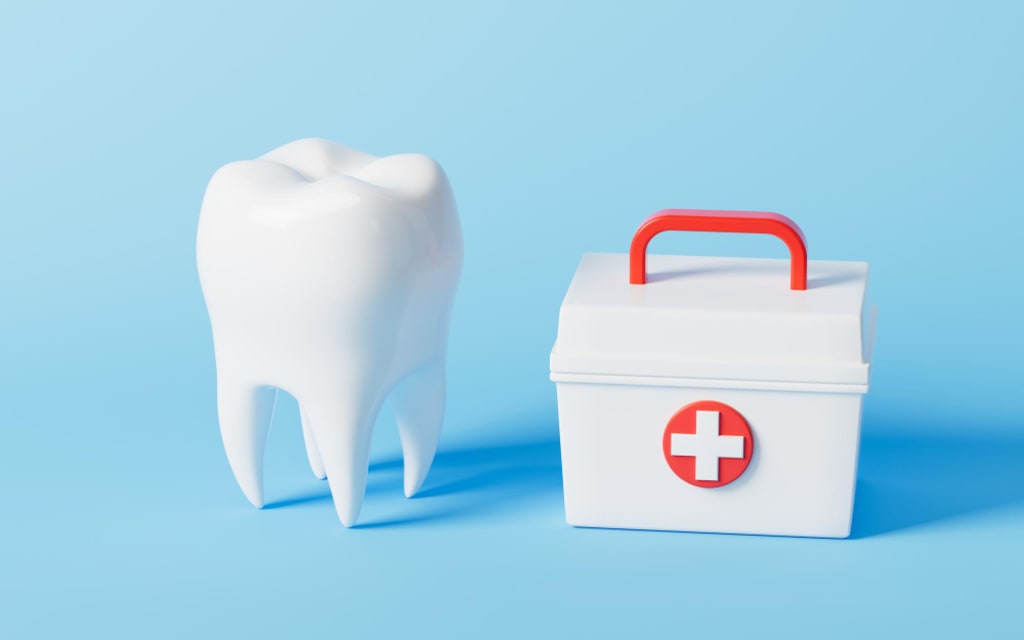
A dental emergency may arise at any time, and at the most inconvenient moment. A broken tooth or a sports accident are some of the prerequisites of emergency services offered at dental offices. Your immediate action may become the key to further restoration of your natural teeth.
The next thing is to ascertain which problem requires immediate attention, or is it a routine appointment? Common dental emergencies include:
- Severe toothache or pain that doesn’t improve with over-the-counter medicine
- Knocked-out or displaced teeth
- Broken, chipped, or fractured teeth
- Lost fillings or crowns
- Abscesses, swelling, or infections in the mouth
- Injuries to the gums, tongue, or jaw
What to Do Right Away in a Dental Emergency
1. Stay Calm and Assess the Situation
It’s easy to panic during a dental emergency, but staying calm is essential. Take a deep breath and evaluate the problem.
Determine if it’s a true emergency or something that can wait for a regular appointment. Severe pain, significant bleeding, or a knocked-out tooth almost always requires immediate professional attention.
2. Control Bleeding
For injuries involving bleeding, such as a knocked-out tooth or a cut in the mouth, gently rinse your mouth with warm water to clear debris. Place a clean gauze or cloth to apply pressure to manage bleeding.
If bleeding is heavy and doesn’t stop within 10–15 minutes, seek emergency care immediately.
3. Save a Knocked-Out Tooth
With a permanent tooth that is knocked out completely, it is essential to respond quickly:
- Hold the tooth at the crown, leaving the root.
- Rinse gently with water if dirty (do not scrub or remove tissue)
- Place it back in the socket if possible, or keep it in a container with milk, saline, or your saliva
- Call your dentist at once; immediate re-implantation has a much better success rate of saving the tooth
4. Manage Pain and Swelling
Over-the-counter pain relief can help manage discomfort while waiting for professional care. Trauma can result in swelling that cold compresses can help ease when applied to the cheekbone on the outside.
Aspirin should not be placed in direct contact with gums or the affected tooth because this may produce chemical burns.
5. Protect Damaged Teeth
If a tooth is chipped or fractured, bring any broken pieces to your dentist and preserve them. Temporary dental cement from a pharmacy can cover sharp edges, but professional repair is always necessary to prevent further damage or infection.
6. Avoid Certain Foods and Habits
During a dental emergency, avoid chewing on the affected side. Stay away from hard, sticky, or sugary foods that could worsen damage.
Drink water to rinse away debris, but avoid hot or cold beverages if the tooth is sensitive.
When to Call an Emergency Dentist
Certain situations require immediate professional intervention, including:
- Knocked-out permanent teeth
- Severe facial trauma or jaw fractures
- Uncontrolled bleeding
- Swelling that affects breathing or swallowing
- Intense, persistent pain
Even if symptoms seem mild, contacting an emergency dentist is wise—they can provide guidance and ensure complications are avoided.
Common Myths About Dental Emergencies
Many people delay treatment due to myths such as:
- “It’s just a toothache; it will go away.” Toothaches often signal decay, infection, or nerve damage. Ignoring them can lead to more complex procedures.
- “I can fix a knocked-out tooth myself.” While temporary measures like placing the tooth in milk help, only a dentist can safely re-implant it.
- “I don’t need a dentist if it’s not painful.” Pain is not always immediate. Some issues, like infections, can progress silently. Prompt assessment is crucial.
Preventing Future Dental Emergencies
While accidents happen, you can reduce risk with preventive measures:
- While being active or playing sports, wear a mouthguard
- Maintain regular dental check-ups to catch problems early
- Practise good oral health to avoid decay and infections
- Do not chew hard things such as ice or pens
- Avoid tobacco and limit alcohol consumption
Final Thoughts
Dental emergencies are stressful situations; however, by knowing what to do and when, you will be able to save your teeth, preserve your smile and avoid complications. Preparation, calm thinking, and immediate action are key.
If you ever face a dental emergency in Leederville, don’t wait—contact our experienced team immediately. We provide urgent care and help restore your smile with the right treatment, fast.
About the Creator
Dentists on Vincent Leederville
Leederville dentist, your trusted family dentists providing advanced dentistry and same day emergency care. Call us on (08) 9242 4400 or visit us at 322 Vincent St, Leederville WA 6007
Keep reading
More stories from Dentists on Vincent Leederville and writers in Lifehack and other communities.
How To Select Expert Hospitality Advisors for A Successful Hotel Launch in Dubai
Starting a hotel project in Dubai is quite an exciting step that requires a certain level of planning smart as well as expert guidance. With strong competition, guest expectations being high, and strict regulations, choosing the right hospitality consultant to guide you through such an endeavour can shape your success. From early planning to daily operations, consultants share practical knowledge that helps turn your ideas into a working hotel. This guide shows you how to choose the right hospitality consultants in Dubai and make smart decisions that support a successful and profitable project.
By Claudia Fennel6 days ago in Lifehack
Yoga Brisbane and the Rise of Consistent Practice in a High-Pressure City
Brisbane has changed significantly over the past decade. Once seen as a slower-paced alternative to Australia’s larger capitals, the city now carries many of the same pressures found elsewhere: demanding workloads, blurred boundaries between professional and personal time, constant connectivity, and a strong expectation to keep moving forward. In this environment, wellbeing has shifted from an abstract ideal to a practical concern. For many residents, Yoga Brisbane has become less about novelty or fitness trends and more about building consistency in a city that rarely slows down.
By Rochelle Martinez6 days ago in Lifehack




Comments
There are no comments for this story
Be the first to respond and start the conversation.