
What Social Media Has Done to My Brain — And How I’m Taking It Back
A personal journey through digital burnout, comparison traps, and the quiet fight to reclaim focus and peace.

Hooked Before I Knew It
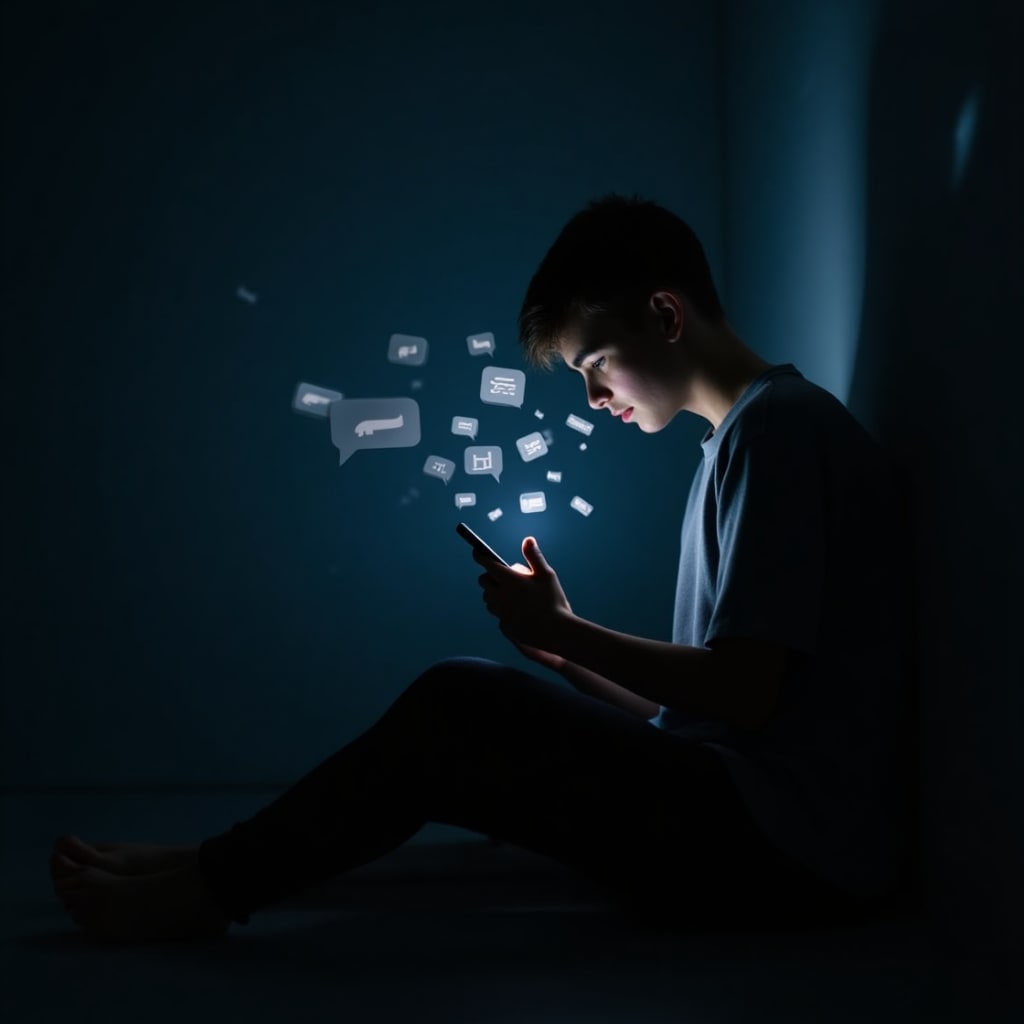
It started small. A quick scroll to pass the time, maybe during a break or while waiting in line. A harmless habit—or so I thought. But over time, that casual scroll turned into hours of mindless swiping, comparison, and emotional exhaustion. I didn’t realize it right away, but social media was slowly reshaping my thoughts, habits, and even how I saw myself.
We often treat social media like a tool. Something we use, something we control. But for me, it became something that used me. It pulled at my attention, manipulated my emotions, and subtly eroded my ability to be present in real life.
The Mental Toll I Didn’t See Coming
Social media platforms are designed to be addictive. Every like, comment, or notification gives us a hit of dopamine—the brain's "feel-good" chemical. Over time, I found myself checking my phone compulsively, even when I had no reason to. I wasn’t seeking connection. I was seeking stimulation.
And it affected me more than I wanted to admit:
My attention span shrank. I couldn't focus on a full article, let alone a book.
I felt anxious if I didn’t post something “interesting” for a while.
I constantly compared my life to people online—even strangers.
I woke up and reached for my phone before I even got out of bed.
I knew I was consuming too much content, but I didn’t realize the content was consuming me.
The Comparison Trap
No matter how much we know it's curated, it’s hard not to compare ourselves to what we see online. Perfect homes. Perfect relationships. Perfect bodies. Perfect routines. I knew they weren’t the full story—but I still felt like I was falling behind.
Every scroll reminded me of what I wasn't doing. I wasn’t traveling the world. I wasn’t running a six-figure business. I wasn’t waking up at 5 a.m. to meditate, journal, and drink a smoothie made of spirulina and good vibes.
This constant exposure to “better” made me question if I was enough. It drained my confidence and made me feel small.
When Digital Connection Becomes Emotional Distance
Ironically, the more connected I was online, the more disconnected I felt in real life. Conversations became shorter. Friends became followers. Genuine moments were replaced with stories and captions.
I noticed that I was living for the post, not for the experience. I couldn’t just enjoy a sunset—I had to capture it. I couldn’t just laugh with friends—I had to share it. And over time, this need to document everything made me feel detached from my own life.
Even worse, I started presenting a version of myself that wasn’t fully real. Online, I looked put-together. Happy. Creative. But offline, I often felt exhausted, anxious, and emotionally distant.
Burnout in Disguise
There’s a kind of burnout that doesn’t come from work—but from constant mental stimulation. That’s what I was feeling. My mind was never quiet. My thoughts were always bouncing between posts, comments, and trends.
I couldn’t relax. I couldn’t focus. And I definitely couldn’t sit in silence. Social media had rewired my brain to seek constant input—and as a result, I struggled to hear my own thoughts.
That was the moment I knew I needed a reset.
How I Took My Brain Back
I didn’t go completely offline. I didn’t delete every app or disappear. What I did was more intentional, more sustainable—and it worked.
1. I Curated My Feed
I unfollowed anyone who made me feel less-than, overwhelmed, or emotionally exhausted. I followed creators who shared honest, meaningful, and calming content. My feed became a place of inspiration, not anxiety.
2. I Turned Off Notifications
No more buzzing, pinging, or flashing icons. If I wanted to check social media, I had to do it on my own terms—not when my phone told me to.
3. I Set Screen Limits
I gave myself daily time limits. When I hit that limit, I stopped. No exceptions. At first, it was hard. But over time, I realized how much time I was getting back.
4. I Replaced the Habit
Instead of scrolling, I filled the space with other things—reading, journaling, going for walks, talking to people face-to-face. I started doing things that didn’t need to be posted or performed.
What Changed for Me
As I stepped back from social media, I started noticing real changes—not just in my habits, but in how I felt.
I was calmer and more grounded.
My attention span improved.
I felt more connected to the people around me.
I created for joy, not for likes.
I reconnected with who I really was—outside the algorithm.
I also stopped measuring my life in likes, followers, and comments. I started measuring it in moments, emotions, and growth.
The Ongoing Journey
I still use social media—but I use it differently now. It’s no longer my default. It’s not the first thing I reach for in the morning. It’s not how I fill every quiet moment.
Some days are better than others. Sometimes I catch myself scrolling too long or slipping into comparison again. But now, I notice it. I pull myself back. I remember that my time and attention are mine to protect.
Final Thoughts
Social media isn’t going away. And it’s not all bad. It can connect, inspire, educate, and entertain. But it’s also a powerful force—and if we’re not careful, it will shape our lives in ways we never intended.
Taking my brain back wasn’t about deleting everything. It was about reclaiming choice, presence, and peace. It was about remembering that the best parts of life don’t happen on a screen—they happen in the quiet, unfiltered moments we often overlook.
If you’re feeling overwhelmed, scattered, or not enough, maybe it’s time to pause. To unplug. To look around. Your mind deserves rest. Your heart deserves truth. And your life deserves to be lived—fully, deeply, and without a filter.
About the Creator
JAWAD HUSSAIN
Hi, I’m jawad hussain a writer sharing stories, ideas, and personal thoughts on life, creativity, and growth. I write to inspire, inform, and connect. Thanks for reading and supporting my journey here on Vocal !
Keep reading
More stories from JAWAD HUSSAIN and writers in Lifehack and other communities.
The Rise of AI-Generated Games: How Artificial Intelligence Is Revolutionizing Game Development in 2025
In 2025, the gaming industry stands at the frontier of one of its biggest technological shifts yet: the rise of AI-generated games. Artificial Intelligence, once a back-end support tool, is now taking center stage in game design, storytelling, art creation, and even live gameplay experiences. This transformation is reshaping not only how games are made, but also how they are played and experienced by millions of people around the globe.
By JAWAD HUSSAIN6 months ago in Gamers


Comments
There are no comments for this story
Be the first to respond and start the conversation.