
What’s Considered a Plumbing Emergency?
A Homeowner’s Guide

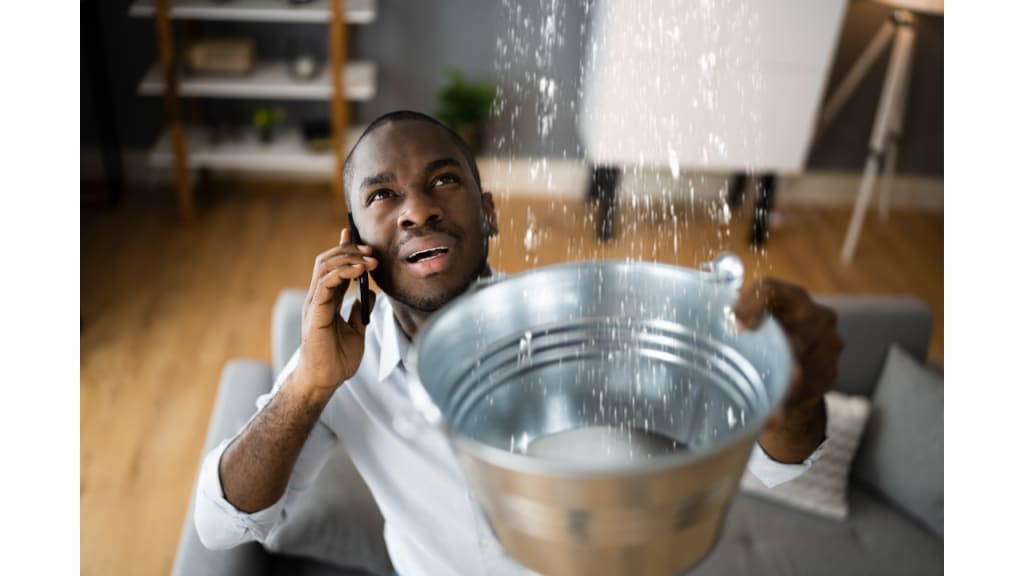
A sudden plumbing catastrophe is every homeowner's nightmare. When water is gushing, the toilet is overflowing, or you are without hot water in the middle of a cold snap, you need help fast. This is when you realize the importance of a reliable 24-hour plumbing repair in Fort Myers. But how do you know if the plumbing issue you're experiencing is truly an emergency or just a problem that can wait until morning? Understanding the difference can save you time, money, and a lot of stress.
What separates a plumbing emergency from a routine repair is the potential for immediate, significant damage to your property or a threat to your health and safety. While a dripping faucet is annoying, it won’t flood your home. A burst pipe, however, can unleash hundreds of gallons of water in a matter of minutes, compromising your home’s structure and creating an environment for mold and mildew to thrive.
Here are some of the most common plumbing emergencies that demand immediate professional attention.
Burst Pipes and Major Leaks
A burst pipe is arguably the most critical plumbing emergency. This can happen due to freezing temperatures, old pipes, or high water pressure. The signs are usually obvious: a sudden, powerful gush of water, a drop in water pressure, or the sound of water running behind a wall. A significant leak can cause immediate and extensive water damage to your floors, walls, and furniture. If you suspect a burst pipe, the first thing you must do is locate your main water shut-off valve and turn off the water supply to your home. This will stop the flow and limit the damage while you wait for a plumber to arrive.
Sewer Line Backups
A sewer backup is not just unpleasant, it’s a serious health hazard. Raw sewage contains harmful bacteria and pathogens that can make you and your family sick. Signs of a sewer backup include multiple drains in your home being clogged at once, a foul odor of sewage coming from your drains, or a toilet that backs up when you use the sink or shower. Do not use any water in your home if you suspect a sewer backup. The problem is likely in the main line, and using more water will only make the situation worse.
No Hot Water
While it may not seem as catastrophic as a flood, having no hot water is a significant problem, especially during colder months or in a household with small children. A lack of hot water can indicate an issue with your water heater, which could be anything from a faulty heating element to a more serious leak. If you see water pooling around your water heater, or if you smell gas, this is an immediate emergency. Do not attempt to fix a water heater yourself, as it can be very dangerous.
Overflowing Toilets
An overflowing toilet is a classic plumbing emergency. If the toilet bowl fills to the brim and won't flush, or if it overflows with every attempt to flush, you have a serious clog. This can lead to significant water damage to your bathroom floor and the rooms below. The immediate action is to turn the water off at the shut-off valve behind the toilet. This will stop the flow of water and prevent further flooding. Once the water is off, a professional can clear the clog without making a mess.
Gas Leaks
While technically a gas line is a separate system, gas fitting is often within a plumber’s expertise. If you smell gas, which is often described as a rotten egg smell, or hear a hissing sound near a gas appliance or line, you need to act immediately. This is a life-threatening situation. Evacuate everyone from the house, do not use any electrical devices, and call your gas company and a plumber from a safe location.
When It Can Wait
It is just as important to know when an issue is not an emergency. A slow drain, a dripping faucet, or a running toilet are all problems that should be fixed, but they don't pose an immediate threat to your home or health. These can typically wait for a scheduled appointment during regular business hours, saving you from the higher cost of after-hours or emergency service calls.
In summary, a plumbing emergency is any issue that threatens to cause serious water damage to your home, poses a health or safety risk, or prevents you from using essential plumbing fixtures. In these situations, your best course of action is to stop the water flow if possible and call a professional right away.
For any plumbing emergency, don't wait. Contact a licensed and insured plumber immediately to get the problem solved quickly and safely.
About the Creator
Keep reading
More stories from The Weekend Project and writers in Lifehack and other communities.
SEO Mentor Nestor Vazquez and a Different Way of Understanding Search
In many discussions about digital marketing, search engine optimization is often presented as a technical discipline. Articles tend to focus on rankings, backlinks, analytics dashboards, and algorithm updates. While these elements are certainly part of the field, they do not fully explain how people actually learn to understand search.
By House Doctor5 days ago in Lifehack
How to Find Penny Items at Dollar General
Imagine walking into Dollar General and walking out with a cart filled with items that cost you a total of less than a dollar. The lucky few who snag penny items certainly have experienced the adrenaline and happiness it creates. If you want to feel like a Queen (or king) for a day, read below to learn how you can become a DG penny-aire.
By Criminal Matters5 days ago in Lifehack




Comments
There are no comments for this story
Be the first to respond and start the conversation.