
What Kind Of Fire Extinguisher Do I Need In My Commercial Kitchen?
Fire Extinguisher

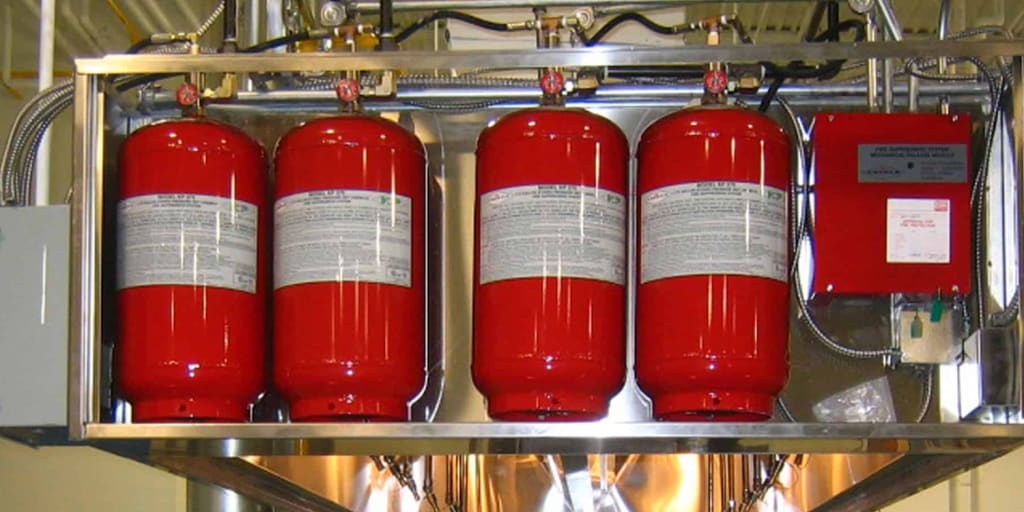
In the bustling environment of a commercial kitchen, where high heat, flammable oils, and electrical appliances intermingle, the potential for fire is notably higher than in many other workspaces. Establishing a robust fire safety protocol, including selecting appropriate fire extinguishers, is not merely about complying with regulations—it is about safeguarding lives, preserving property, and ensuring the continuity of business operations. This comprehensive guide will discuss the different types of fires that could occur in a commercial kitchen, the various fire extinguishers available, and how to choose the right ones to meet your specific needs.
Understanding Fire Classes
A fundamental step in selecting the right fire extinguisher is understanding the types of fires that could occur in a kitchen. Each fire class involves different materials and requires a specific approach to extinguishing.
- Class A Fires: Class A fires are fueled by ordinary combustibles such as wood, paper, and cloth. In commercial kitchens, these fires might occur from mishandled waste materials or decorations catching alight. Commercial Smoke Detector Installation
- Class B Fires: Class B fires involve flammable liquids like cooking oils and fats. These fires are of particular concern in kitchens due to the prevalence of deep-frying and other cooking methods involving oils.
- Class C Fires: This class includes fires that involve electrical components and equipment, which can arise from malfunctioning appliances or faulty electrical wiring in a kitchen.
- Class K Fires: Specifically designed to address fires in cooking appliances that use combustible cooking media such as vegetable or animal fats, Class K fires are a common risk in commercial kitchens.
Types of Fire Extinguishers
Each class of fire requires a different type of extinguisher for effective suppression.
Water and Foam Fire Extinguishers
Effective on Class A fires, these extinguishers extinguish the flame by cooling the burning material. However, they are not suitable for grease fires (Class K) or electrical fires (Class C), as water can spread the grease and conduct electricity, exacerbating the situation.
Carbon Dioxide (CO2) Fire Extinguishers
Ideal for Class B and C fires, CO2 extinguishers work by displacing oxygen, which smothers the fire. They do not leave any residue, making them a good choice for electrical fires, but they are ineffective against Class K fires.
Dry Chemical Extinguishers
These extinguishers are effective on Class A, B, and C fires. They work by interrupting the chemical reaction of the fire. There are multi-purpose dry chemical extinguishers that are also effective on Class K fires, but they are not as efficient as wet chemical extinguishers in a kitchen setting.
Wet Chemical Extinguishers
Particularly designed for Class K fires, wet chemical extinguishers are the most suitable choice for commercial kitchens. They not only put out the fire by creating a barrier between the flame and the fuel but also cool the burning oils, significantly reducing the chance of re-ignition.
Choosing the Right Fire Extinguisher for Your Kitchen
- Assessing Kitchen Hazards: To ensure the safety of your kitchen, it's crucial to identify potential sources of fire and choose the most appropriate type of extinguisher based on those risks. For instance, a kitchen that features a large grill area is more susceptible to grease fires, which require a specific type of fire extinguisher designed to combat these intense blazes. Understanding the unique hazards in your cooking space is the first step in implementing effective fire prevention measures.
- Placement and Size: Fire extinguishers should be strategically positioned at accessible points throughout the kitchen, ensuring they are located away from potential fire sources such as stoves and ovens, yet within easy reach in the event of an emergency. It's important to take into account the size and weight of the extinguisher to ensure that all staff members can use it effortlessly. Proper placement and accessibility of fire extinguishers are crucial for maintaining a safe kitchen environment, allowing for a quick and efficient response should a fire break out.
- Regular Training and Maintenance: To guarantee safety and preparedness in the event of a fire, all kitchen staff must undergo regular training sessions. These sessions are essential to ensure that every member of the team is fully versed in the correct operation of fire extinguishers. This knowledge is not only vital for preventing potential disasters but also for ensuring a swift and effective response should an emergency arise. Moreover, to ensure these extinguishers are ready to use when needed, it is equally important that they undergo thorough inspections and servicing at regular intervals. This maintenance is crucial for maintaining their functionality and reliability, thereby upholding a safe working environment for everyone in the kitchen.
Regulatory Requirements and Compliance
Understanding the local fire codes and regulations that apply to commercial kitchens is essential for ensuring safety and compliance. These rules often include detailed specifications on the types, sizes, and optimal placement of fire extinguishers needed within the space. Additionally, they may outline requirements for fire suppression systems, emergency exit routes, and regular maintenance schedules to ensure all safety equipment remains in working order. Familiarizing yourself with these regulations can help prevent accidents and ensure a safe working environment for everyone.
Selecting the Right Fire Extinguisher for Commercial Kitchens
Choosing the right fire extinguisher for a commercial kitchen is not just a matter of compliance, but a critical component of overall safety, necessitating a thorough understanding of the types of fires that are likely to occur. These can range from grease fires, often seen in fryers, to electrical fires that can spark from appliances. Selecting the appropriate extinguisher type for these fires is crucial. For the majority of kitchen environments, Class K wet chemical extinguishers are recommended due to their effectiveness in combating high-temperature cooking oil and grease fires, which are common in commercial settings.
Fire Safety Management in Commercial Kitchens
Ensuring that these extinguishers are strategically placed for easy access, regularly maintained to ensure they are in working order, and that staff are trained in their proper use, is vital for effective fire safety management in any commercial kitchen. Training should include not only the use of extinguishers but also how to prevent fires and what to do in case a fire cannot be controlled.
By rigorously adhering to these standards, kitchen operators do more than just comply with legal requirements; they significantly enhance the safety of their premises, protect their personnel from the threat of potential fire disasters, and ensure a safer working environment for everyone involved. This comprehensive approach to fire protection underscores the importance of being prepared for any eventuality and ensures that commercial kitchens are equipped to deal with fires efficiently and effectively.
Also Read:
5 Reasons Fire Drills Are Essential For Every Business
Fire Protection System Market Emerging Trends May Make High Growth in the Future
About the Creator
Nitesh Prasad
Nitesh Prasad: Freelance SEO Expert & blogger with 10+ years of experience helping businesses boost online visibility. Proven track record in driving organic growth. #SEO #Blogger #SEOFreelancer
Keep reading
More stories from Nitesh Prasad and writers in Lifehack and other communities.
How to Choose the Right Size AC Unit
Selecting the right size for a central air conditioning system is critical not only for ensuring comfort but also for maintaining energy efficiency and prolonging the life of the system. Both oversized and undersized units can lead to increased energy costs, reduced comfort, and early system failures. This guide will walk you through the necessary steps and considerations to accurately determine the most appropriate air conditioning size for your home.
By Nitesh Prasad2 years ago in Lifehack
How to Recover a Yahoo Account: The Ultimate Step-by-Step Guide for 2026
Losing access to your Yahoo account can feel like losing a digital key to your personal and professional life. With a history that includes some of the largest data breaches globally, securing and knowing how to recover your account is more critical than ever. Whether you’ve been locked out due to a forgotten password, a hacked account, or an old, inactive email address, this comprehensive guide walks you through every official method to regain access. We will cover explicit recovery techniques, essential protection strategies to prevent future lockouts, and answer the most frequently asked questions, all based on professional insights.
By Alexander Hoffmann2 days ago in Lifehack
Kitchen Renovation Material Trends (2026 Report)
The 2026 kitchen is a study in deliberate, thoughtful evolution. Homeowners and designers are moving away from the stark minimalism and cold, sterile palettes that have dominated recent years. In their place, a new design language is emerging—one that speaks to our collective desire for warmth, tranquility, and a deeper connection to craftsmanship. This year, the kitchen is not just a place to cook; it is the hearth of the home, a multi-functional sanctuary designed for living, working, and gathering. The trends shaping this transformation are rich with texture, grounded in nature, and seamlessly integrated with invisible technology. This report delves into the definitive material trends of 2026, exploring how surfaces, colors, and finishes are being reimagined to create spaces that are both visually stunning and profoundly personal.
By Flooring Tips4 days ago in Lifehack




Comments
There are no comments for this story
Be the first to respond and start the conversation.