
What is the Best Treatment for Hair Loss?
hair growth

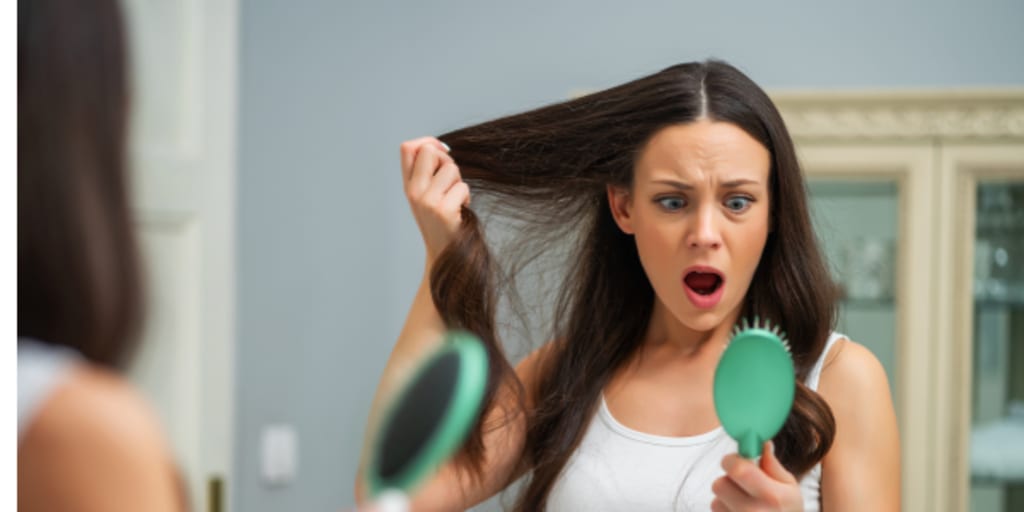
Hair loss is a common concern for many people, regardless of age or gender. Whether you're experiencing thinning hair, receding hairlines, or bald patches, finding the best treatment for hair loss is a top priority. In this article, we will explore various treatment options and discuss their effectiveness in addressing hair loss.
Having a full head of healthy hair is not only aesthetically pleasing but also contributes to one's confidence and self-esteem. Hair loss can be a distressing experience, leading individuals to seek effective solutions to combat this issue. Fortunately, advancements in medical science and technology have provided us with several treatment options to address hair loss.
Understanding Hair Loss
Before diving into the treatment options, it's crucial to understand the underlying causes and types of hair loss. Hair loss can occur due to various factors, including genetics, hormonal changes, nutritional deficiencies, and certain medical conditions.
Causes of Hair Loss
Genetic predisposition (hereditary pattern baldness)
Hormonal changes (such as during pregnancy or menopause)
Medical conditions (thyroid disorders, alopecia areata, etc.)
Scalp infections (ringworm)
Medications (chemotherapy, certain antidepressants, etc.)
Physical or emotional stress
Nutritional deficiencies (iron, vitamin D, etc.)
Hairstyles and treatments that cause traction or damage
Understanding the underlying cause of your hair loss can help determine the most suitable treatment approach.
Types of Hair Loss
Hair loss can manifest in different ways, and identifying the type of hair loss is essential for effective treatment. Common types of hair loss include:
Androgenetic alopecia (pattern baldness)
Telogen effluvium (temporary hair shedding)
Alopecia areata (patches of hair loss)
Traction alopecia (due to hairstyles that cause tension)
Trichotillomania (hair pulling disorder)
Each type may require a tailored approach to treatment.
Seeking Professional Advice
When dealing with hair loss, it's advisable to seek professional advice from experts in the field. Dermatologists, trichologists, and hair loss specialists are professionals who can evaluate your condition and recommend appropriate treatment options.
Dermatologists and Trichologists
Dermatologists are medical doctors specializing in skin, hair, and nail disorders. They can diagnose the cause of your hair loss and suggest appropriate treatment plans. Trichologists are experts specifically focused on hair and scalp health, providing insights into hair loss prevention and treatment.
Hair Loss Specialists
Hair loss specialists are professionals who specialize solely in the treatment of hair loss. They stay up-to-date with the latest advancements in the field and can provide comprehensive solutions tailored to your specific needs.
Non-Surgical Treatments
Non-surgical treatments are often the first line of defense against hair loss. These treatments aim to slow down hair loss, stimulate hair growth, and improve overall hair health.
Medications for Hair Loss
Certain medications, such as minoxidil and finasteride, have been approved by regulatory authorities for treating hair loss. Minoxidil is a topical solution that can promote hair growth, while finasteride is an oral medication that helps prevent further hair loss.
Topical Treatments
In addition to medications, various topical treatments are available, including shampoos, serums, and conditioners. These products may contain ingredients like biotin, caffeine, and saw palmetto extract, which are believed to support hair growth.
Surgical Treatments
For individuals seeking more permanent solutions or experiencing advanced hair loss, surgical treatments can be considered. These procedures involve transplanting hair follicles from donor areas to areas with hair loss.
Hair Transplantation
Hair transplantation involves taking hair follicles from the back or sides of the scalp (donor area) and implanting them into the bald or thinning areas (recipient area). This procedure provides natural-looking results and can restore hair density effectively.
Scalp Reduction
Scalp reduction is a surgical technique that removes the bald or thinning areas of the scalp, pulling the surrounding hair-bearing scalp together. This procedure is often used in combination with hair transplantation for optimal results.
Platelet-Rich Plasma (PRP) Therapy
PRP therapy involves injecting platelet-rich plasma derived from the patient's blood into the scalp. This plasma contains growth factors that promote hair growth and stimulate the hair follicles.
Alternative Therapies
Apart from conventional treatments, some individuals explore alternative therapies to address hair loss. While the effectiveness of these therapies may vary, some people find them beneficial in conjunction with medical treatments.
Herbal Remedies
Certain herbal remedies, such as aloe vera, rosemary oil, and saw palmetto, have been traditionally used for promoting hair growth and improving scalp health. However, it's important to consult with a healthcare professional before using any herbal remedies.
Acupuncture
Acupuncture, an ancient Chinese therapy, involves the insertion of thin needles into specific points on the body. Some individuals believe that acupuncture can stimulate hair growth by improving blood circulation and reducing stress.
Lifestyle Changes
In addition to medical treatments, making certain lifestyle changes can contribute to healthier hair and potentially reduce hair loss.
A balanced diet rich in vitamins, minerals, and proteins is essential for maintaining healthy hair. Foods like leafy greens, eggs, fatty fish, and nuts can provide the necessary nutrients for optimal hair growth.
Stress Management
Chronic stress can contribute to hair loss. Engaging in stress-reducing activities like meditation, yoga, or regular exercise can help manage stress levels and potentially reduce hair loss.
Regular Exercise
Regular physical activity improves blood circulation, which can promote hair follicle health. Engaging in moderate exercise, such as walking or jogging, can be beneficial for overall hair health.
The Importance of Consistency
Regardless of the treatment option chosen, it's crucial to maintain consistency and follow the recommended regimen. Hair growth takes time, and results may not be immediate. Consistency and patience are key when treating hair loss.
Hair loss can have a significant impact on an individual's self-esteem and confidence. Fortunately, there are numerous treatment options available, ranging from non-surgical approaches to surgical procedures. Seeking professional advice, understanding the underlying cause of hair loss, and maintaining consistency in treatment are crucial for achieving the best results. Additionally, making lifestyle changes and considering alternative therapies can complement medical treatments. Remember, finding the best treatment for hair loss is a personal journey, and what works for one individual may not work for another.
About the Creator
Keep reading
More stories from chandani Ruwan Kumari and writers in Lifehack and other communities.
Understanding the Risks Associated with Prostate Calcification
Prostate calcification, also known as prostate stones or prostatic calculi, refers to the formation of tiny mineral deposits in the prostate gland. While prostate calcification is a common occurrence and often benign, it is essential to be aware of the potential risks and complications it may pose. In this article, we will explore the various risks associated with prostate calcification and shed light on its implications. Let's delve into the topic!
By chandani Ruwan Kumari3 years ago in Lifehack
Ludacris and Nelly draw backlash over bookings at MAGA-coded music festival
Ludacris and Nelly headlining a mostly right-wing event is good for them. It’s also great for the genre of hip hop. The two rap veterans have showcased their talents on other stages. Why can’t they perform for mostly MAGA folks and grab that bag?
By Skyler Saunders4 days ago in Beat



Comments
There are no comments for this story
Be the first to respond and start the conversation.