
What Is The Best Outdoor Paving For Patios?
Discover the Top Patio Paving Options for Style, Durability, and Low Maintenance in Every Garden


Designing the perfect patio starts with one fundamental question: what is the best outdoor paving option? With so many materials available on the market, selecting the right one can feel overwhelming. Your choice of paving not only affects the aesthetic appeal of your garden but also its functionality, maintenance needs, and long-term durability. In this comprehensive guide, we’ll explore the best outdoor paving options for patios, taking into account climate, usage, style preferences, and more.
Understanding Your Patio Needs Before Choosing Paving
Before diving into the various paving types, it's essential to assess what your patio is primarily used for. Is it a quiet space for relaxation or a hub for family gatherings and outdoor dining? Will it be exposed to heavy foot traffic, garden furniture, or even BBQ setups? These questions play a vital role in determining which paving material will suit your lifestyle and stand the test of time.
In addition to function, consider the level of maintenance you're willing to take on. Some materials are naturally low-maintenance, while others may require sealing, regular cleaning, or weather protection.
Natural Stone Paving: Elegance Meets Durability
Sandstone Paving – Timeless and Textured
One of the most popular choices for UK gardens, sandstone paving brings a natural, earthy appeal with a variety of warm tones and textures. It's a highly versatile material, available in multiple finishes such as riven or smooth. Sandstone is also slip-resistant, making it ideal for patios that may get wet due to rain or garden watering.
This material is relatively porous, so sealing is recommended to preserve colour and resist staining. With proper care, sandstone can last decades, making it a smart investment for homeowners seeking a rustic yet refined look.
Limestone Paving – Sophisticated and Subtle
Limestone offers a smoother, more refined finish compared to sandstone. It typically comes in darker shades such as charcoal, blue-black, or grey, lending a contemporary edge to outdoor spaces. Limestone is less textured, which gives patios a clean, minimalist look.
However, limestone is more susceptible to weathering, especially in colder climates. If you're considering this material, ensure it's of high quality and well-sealed to prevent fading or erosion over time.
Porcelain Paving: The Modern Favourite
Porcelain paving has exploded in popularity in recent years—and for good reason. Manufactured using high-temperature kilns, porcelain tiles are exceptionally strong, non-porous, and low-maintenance. They’re ideal for those who want a sleek, modern look with minimal upkeep.
These tiles come in a vast range of colours and finishes, including styles that mimic natural stone or wood. Since porcelain is resistant to water, moss, and staining, it’s an excellent option for outdoor patios that see heavy use. Just ensure the product is rated for external use, as indoor-grade porcelain can become slippery when wet.
Concrete Paving: Budget-Friendly and Customisable
Concrete paving is often chosen for its affordability and flexibility. Available in a variety of shapes, colours, and textures, concrete slabs can be moulded to resemble natural stone or brick at a fraction of the cost.
Over time, however, concrete may fade or crack due to exposure to the elements. Sealing can help extend its lifespan and improve resistance to stains. While it may not offer the prestige of natural stone or porcelain, concrete remains a practical solution for those working within a tighter budget.
Gravel and Loose Stone: Informal and Easy to Install
For patios that favour an informal, cottage-style garden aesthetic, gravel is a simple and cost-effective solution. It allows for excellent drainage and is relatively easy to install and maintain. However, it’s not the most comfortable option for walking barefoot or placing furniture.
While not ideal for everyone, gravel can be an excellent supplement to a more structured patio layout—especially around garden beds or water features.
Brick Paving: Traditional Charm with Character
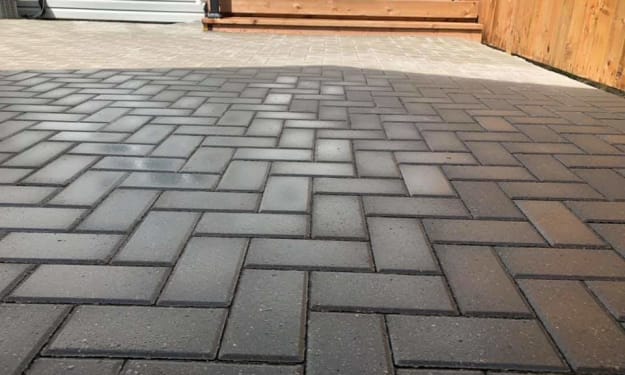
Brick paving has been used in gardens for centuries and continues to be favoured for its rich character and classic appeal. Made from clay and fired in kilns, bricks are durable, frost-resistant, and offer a beautiful weathered look over time.
They’re best suited for traditional-style patios and pair well with cottage gardens. One downside is that bricks can become slippery in wet weather and may need regular weeding or moss removal from the joints.
Climate Considerations: What Works Best Where?
When choosing outdoor paving, local climate conditions are a crucial factor. In regions with heavy rainfall, frost-resistant materials like porcelain or well-sealed natural stone are preferable. For hotter climates, lighter-coloured paving can help keep surfaces cooler underfoot.
In coastal areas where salt exposure may be an issue, porcelain or sealed sandstone are often better choices than more porous stones like unsealed limestone. Always ensure your paving is installed with proper drainage to reduce water pooling and extend material life.
Installation Quality Matters
Even the best paving material can fail if not installed correctly. A professional installer will ensure proper groundwork, slope, drainage, and joint spacing—all of which contribute to the long-term success of your patio.
Poor installation can result in uneven surfaces, weed growth, and premature cracking or shifting. No matter the material you choose, invest in quality workmanship to get the most out of your patio paving.
Sustainability and Eco-Friendly Options
In an era where environmental responsibility is more important than ever, many homeowners are seeking sustainable patio paving solutions. Reclaimed bricks, recycled concrete, or locally sourced natural stone can reduce environmental impact. Porcelain tiles, while manufactured, often have long lifespans and require less frequent replacement, contributing to lower overall waste.
Additionally, permeable paving options can help manage rainwater runoff, reducing the risk of local flooding and soil erosion. Combining beauty with eco-consciousness is no longer a compromise—there are plenty of attractive, responsible paving materials available.
Conclusion: Making the Best Choice for Your Patio
So, what is the best outdoor paving for patios? The answer ultimately depends on your aesthetic preferences, budget, maintenance tolerance, and how you plan to use the space.
If you want a modern, maintenance-free patio, porcelain paving may be your best option. For traditional elegance and rich textures, natural stone like sandstone or limestone delivers both style and strength. Concrete suits those with cost in mind, while brick and gravel offer distinctive charm for heritage-style gardens.
By assessing your patio’s purpose and selecting a material that fits your environment and design goals, you’ll create an outdoor space that’s beautiful, functional, and built to last.
About the Creator
Ammaari Stones
Ammaari Stones are a leading supplier of bricks, natural stone and porcelain paving to both retail and trade customers throughout the UK.
Keep reading
More stories from Ammaari Stones and writers in Lifehack and other communities.
How to Incorporate Paving Stones into Outdoor Kitchens and Dining Areas
The appeal of outdoor kitchens and dining spaces Homeowners across the UK are transforming gardens into inviting extensions of their homes. Outdoor kitchens and dining areas offer a versatile space for entertaining guests, enjoying meals with family, or unwinding after a long day. These spaces merge the comforts of indoor living with the refreshing atmosphere of the outdoors, creating an environment that feels both practical and luxurious.
By Ammaari Stones6 months ago in Journal
Forgotten Packing Items That Make Port A Rentals Guest-Friendly
Stepping into a vacation rental should feel like a home away from home, with a clean space, cozy beds, and, perhaps, a great view to unwind. But sometimes, even the best-planned trips can be disrupted by an unexpected challenge when guests forget to pack a few essentials.
By The Mayan Princess6 days ago in Lifehack
Cooking Up Connection: Romantic Recipes to Enjoy as a Couple
Turning your kitchen into a romantic space doesn’t require extravagant effort. Start with lighting—switch off the overhead lights and let candles or warm lamps create a cozy atmosphere. Add soft music that you both enjoy and clear the counters to give yourselves space to move freely. These thoughtful touches can transform even a modest kitchen into a place of intimacy and fun.
By Micah Love-Allotey5 days ago in Lifehack


Comments
There are no comments for this story
Be the first to respond and start the conversation.