
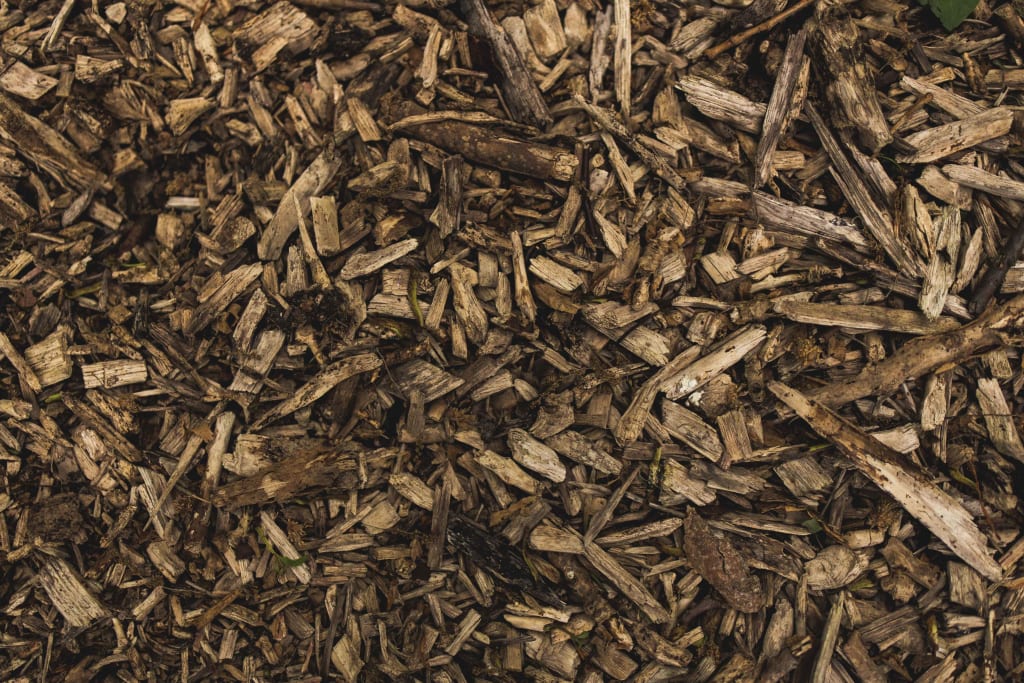
Mulches obstruct weeds, limit evaporation, and, by degrading, enrich the substrate with their organic matter.
Some Prominent Advantages of Mulch
Whether mineral or plant-based, mulch is essential for the soil and plants. Their advantages are numerous. In terms of watering, mulching can save you 40%. Against pilferers, mulch is an effective barrier. For example, those with a rough texture deter slugs and snails. At the foot of the chills, in winter, mulch dampens the fall in temperatures. Acting as a parasol, in summer and the rest of the year, it keeps moisture and allows the soil to remain loose and airy. Finally, and not the least of its merits, mulch continuously feeds your soil.
Limit weeds
Mulching prevents weeds from growing. A good way to save yourself the weed chore. The gardener no longer needs to hoe.
Limit leaching
Mulching protects the soil from heavy rain. Sloping land is less likely to erode and the land to be leached.
Preserving the life of the soil
A living land shelter life. To maintain this microbial activity, it is essential to cover it and thus provide it with the nutrients that this plant cover contains. This layer can also consist of transitional green manure.
Feed the earth
By decomposing, the plants used as mulch will fertilize the soil. Mulching also has a positive effect on the garden's microfauna. Indeed, the plant cover serves as a refuge for many insects and microorganisms, the action of which is decisive for cultivated plants.
Retain heat and insulate from cold
In spring, the establishment of mulch meets certain conditions. Because the ground is often still cold. Give it time to warm up before mulching it. The plant cover will then retain this heat. Too early mulch will block the sun's beneficial rays.
What are the Organic ways to increase Mulch?
There’re plenty of resources to increase the soil enhancement towards better output through plants by picking suitable Organic mulches on their surface. There are online mulch calculators which can be used to improve soil fertility. In the following, some ways with particular areas for spreading mulch have been described.
- In the vegetable garden, prefer the mulch of tender leaves (not very thick which decompose quickly: birch, hazel, alder, hornbeam, ash, elderberry, linden, etc.). Under the mulch, thanks to the activity of microorganisms and earthworms, the soil becomes more flexible and easy to work.
- If you don't have the time or the inclination to make your manure, it is still possible to spread the fresh plants that go into their composition to form a nutritious mulch. This is the case of horsetail, rich in silica which, deposited in a layer of 5 cm thick around your vegetables, will strengthen the soil and the plants by decomposing. It will also constitute an effective barrier against slugs and snails.
- Dead leaves are useful and beneficial in the garden and vegetable patch. Indeed, by decomposing, they bring organic matter which nourishes the soil, then the plants. They can be used to cover bare soil, make a beneficial mulch for crops, and feed them properly.
Elements rich with Essential nutrients for soil
- Nettles and Comfrey: rich in nitrogen, can also be used as organic mulch. In addition to the slurry, they make excellent nutritious mulch.
- Large plant leaves: Increase the fertility for rhubarb and cabbage plants.
- Needles or pine bark: This mulch mixture is for small red fruit trees that appreciate a little acidity and are supported by strawberries, currants, raspberries, etc.
How to Apply Mulch to the Soil?
First place a layer of crushed dead leaves mulch up to 20 cm thick at the bottom of the composter Then add a 20 cm layer of green kitchen waste. Put a new layer of 20 cm of leaves, and so on. Regularly brew the compost to air it out and make sure that it always stays a little damp. You can then use it after a year as an amendment for the vegetable patch, flower beds, trees, and shrubs.
Important facts about mulching the soil?
- Mulching protects the soil from climatic hazards and thus avoids the phenomenon of thrust (compaction of the earth under the action of rain) of clay soils.
- There’s seasonable time for replacing the old spread mulch with a healthy one. If it does not happen, it may lead to the death of the plant.
- Keep the mulch at a distance from the roots of the plant to protect them from bacterial and microbial decomposition of roots.
About the Creator
How to Use Sound Healing Tuning Forks for Balance and Wellness
Sound therapy has been used for centuries to support relaxation, clarity, and overall well-being. Today, sound healing tuning forks are one of the most accessible and effective tools for personal and professional energy work.
By Adria Hargrave6 days ago in Lifehack
When the Shelter Closes
Across the street from my house, a man slept under a tree, his dog by his side. My first, naive thought: he must be traveling through. But he kept coming back, often sleeping there during the day. Then it hit me—that person might not have a home.
By Bride of Sound6 days ago in Humans




Comments
There are no comments for this story
Be the first to respond and start the conversation.