
What Is Moisture-Resistant Drywall and Why Do You Need It?
What Is Moisture-Resistant Drywall
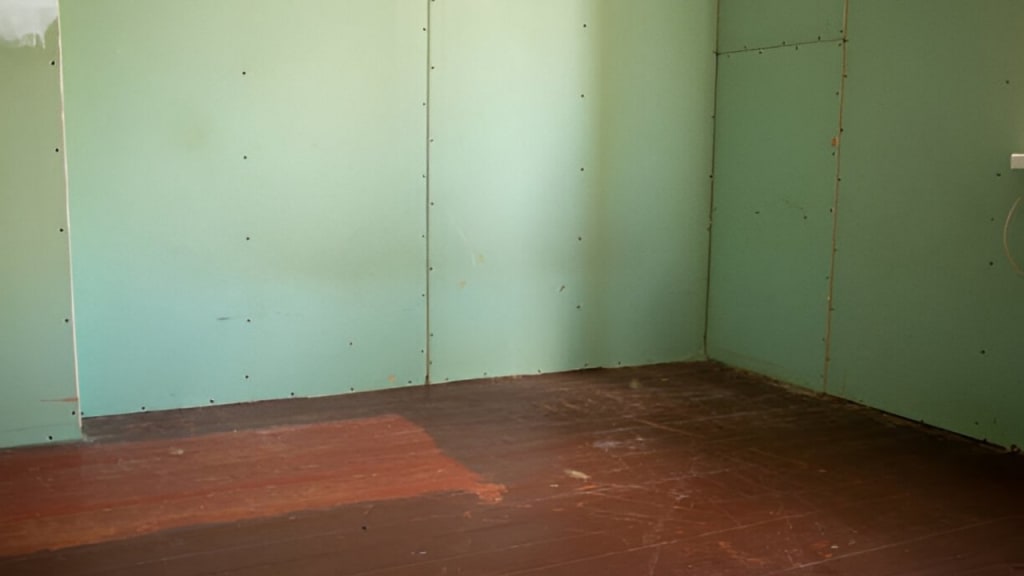
Moisture and water-resistant materials have become one of the basic elements of today's construction. It is more useful, especially when you deal with direct water-exposed areas like bathrooms, kitchens, and basements. Moisture-resistant drywall is a type of drywall that is specially used for high-level water resistance. This type of drywall protects walls from water damage, mold growth, and corrosion. Plus, it ensures durability and better wall design. These qualities make it ideal for moisture control. It provides water resistance in high-humidity environments. In this article, we will explore the drywall world and learn why it is necessary, and where and how it can be used.
What Is Moisture-Resistant Drywall?
It is also known as green board, a type of drywall. It is protected with a water-resistant coating to prevent moisture damage. Compared to traditional drywall, it has a water-repellent core. It also features a moisture-resistant paper covering. This treatment helps prevent water from affecting the material. It makes the drywall ideal for areas with high humidity or direct water exposure.
Why We Need Moisture-Resistant Drywall
Moisture-resistant drywall has several key advantages. These benefits make it a valuable choice for specific areas in a building.
Durability and Strength
This type of drywall is designed to control moisture better than regular drywall. It maintains its Reliability even in humid or wet conditions and provides durability and strength to your walls over time.
Water-Repellent Core
The core of moisture-resistant drywall is made with a special substance that makes it resistant to water penetration. This prevents the drywall from absorbing moisture, which could lead to swelling or warping.
The Top Benefits of Moisture-Resistant Drywall
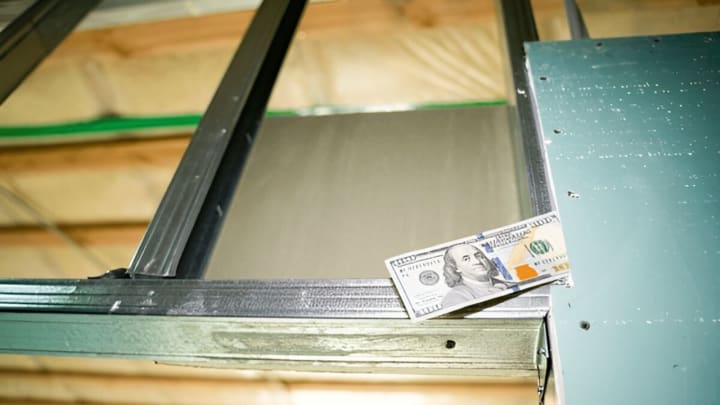
Moisture-resistant drywall is beneficial in many ways, and some of its top advantages include:
Superior Moisture Protection
Moisture-resistant drywall is specifically designed to protect your walls from water damage. Otherwise, it can cause issues such as mold, mildew, and rust. By using this type of drywall, you ensure that your walls remain shielded in high-humidity areas with the passage of time.
No Shrinkage or Cracking
Unlike standard drywall, moisture-resistant drywall does not shrink or crack. This quality ensures the wall design remains undamaged. It prevents gaps and cracks that could affect the overall appearance.
Environmentally Friendly
Many moisture-resistant drywall products are manufactured with environmentally friendly materials. The quality makes them a sustainable option for building projects. The mold-resistant properties help reduce mold growth. They also lessen the need for chemical treatments required for regular drywall.
Effective Noise Reduction
Moisture-resistant drywall offers similar noise reduction to traditional drywall. This improves the overall noise control in a room. This is especially beneficial in spaces like bathrooms or kitchens. Noise can be an issue in these areas due to water flow and appliances.
Enhanced Mold Resistance
One of the most important benefits of moisture-resistant drywalls is their ability to resist mold and mildew growth. In areas where humidity is high, mold can be a serious problem. This type of drywall helps keep your home or building healthier by reducing the chance of mold growth.
Provides Smooth Surface
Moisture-resistant drywall provides a smooth surface for painting or finishing. It can be easily sanded and painted for a better appearance, it can provide durability to paints and colors.
Appearance Flexibility
Moisture-resistant drywall comes in various colors and textures. This allows it to blend seamlessly with other types of wall materials. Whether you need a basic, smooth finish or a decorative one, it provides flexibility in design.
Easy Installation and Handling
Installing moisture-resistant drywall is easy and simple, just like regular drywall. It is lightweight and can be cut or shaped easily to fit in any design or space. This makes it a popular choice for DIY projects or professional installations.
Affordable Long-Term Solution
Moisture-resistant drywall may cost more than regular drywall. However, it offers savings by increasing durability and resistance to water damage. This can budget needed for repairs and replacements, making it a cost-effective investment over time.
Wide-Ranging Use
Moisture-resistant drywall is versatile and can be used in many areas of the home and building. It is suitable for both residential and commercial areas. This element makes it the solution for many types of construction projects.
Where Should You Use Moisture-Resistant Drywall?
Moisture-resistant drywall is ideal for areas that are directly exposed to higher levels of moisture or humidity. It can be used for residential as well as commercial buildings. Here are some of the most common places where moisture-resistant drywall should be used:
- Bathrooms
Bathrooms are the most common area where high moisture and water-resistant drywall is needed. Water from showers, baths, and sinks can easily damage regular drywall, leading to mold and mildew growth. Using moisture-resistant drywall helps protect the walls from water damage.
- Kitchens
Kitchens are another area where moisture-resistant drywall is advised. With frequent use of sinks, stoves, and dishwashers, moisture levels in the kitchen can be high. Using moisture-resistant drywall is a good choice to prevent damage from water exposure.
- Basements and Laundry Rooms
Basements and laundry rooms also contain moisture issues due to high humidity levels or leakage of water. Moisture-resistant drywall helps protect areas exposed to moisture. It is especially useful in basements that face damp conditions repeatedly.
- Other High-Humidity Areas
Any area with high humidity or direct water exposure can benefit from moisture-resistant drywall. This includes spaces like bathrooms, kitchens, and basements. This includes areas such as utility rooms, saunas, or swimming pool areas.
How to Install Moisture-Resistant Drywall
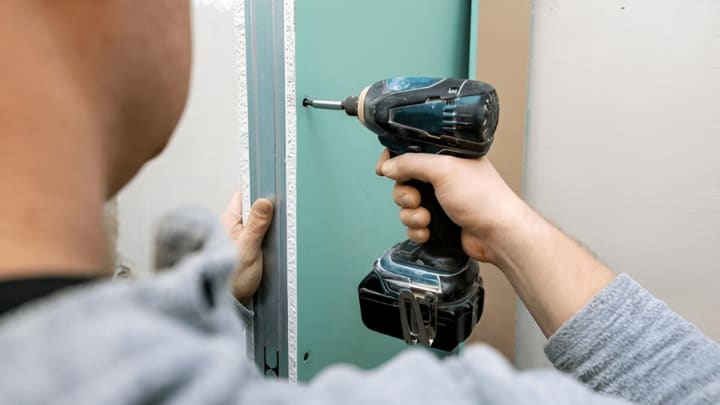
Installing moisture-resistant drywall follows similar steps to regular drywall installation. These steps ensure long-lasting results for the project.
1. Preparation
Before installing moisture-resistant drywall, make sure your area of installation is clean and dry. Ensure that any over-existing material is removed. Just take a look at your wall to tackle any problem like already damaged. Make sure the surface is level and clear and does not disturb the installation.
2. Installation Process
Cut the moisture-resistant drywall to fit in desired space, make sure it is installed on the wall with studs, screws, or nails. Ensure that all parts are properly aligned and leave a small gap between the bottom of the drywall and the floor. This is due to prevent any contact with potential water sources.
3. Finalization
Once the drywall is installed, apply joint compound to the Joints and smooth it out. Sand the joints after drying to create a smooth surface. Now, you can apply paint or finishing materials as needed. Be sure to use a mold-resistant paint for added protection.
What Is the Average Cost of Moisture-Resistant Drywall?
When planning a construction or renovation project, understanding the cost of materials is crucial. Moisture-resistant drywall offers excellent durability and water resistance, making it a preferred choice for high-humidity areas like bathrooms, kitchens, and basements. On average, the cost varies based on factors such as size, thickness, and brand, ranging from $12 to $18 per panel. For a comprehensive breakdown and accurate projections tailored to your needs, Drywall cost estimation services are invaluable. These services provide precise material and labor estimates, ensuring your project stays within budget while meeting quality standards.
Conclusion
Moisture-resistant drywall is a core material for areas that are exposed to water, moisture, and high humidity. It offers superior protection against water damage, mold, and mildew. This makes it a durable and reliable choice for homeowners and building projects. With its many benefits, including durability, long-term cost savings, and environmental friendliness. The moisture-resistant drywall is a smart investment. Whether renovating a bathroom, kitchen, or basement, moisture-resistant drywall offers protection. It helps keep the space safe and healthy in high-humidity areas.
About the Creator
Keep reading
More stories from writers in Lifehack and other communities.
Planning a Move in Marysville, Washington: Local Habits That Make the Process Easier
Moving in Marysville, Washington, often seems simple at first glance. The city feels calm, residential, and well-organized, which can give the impression that relocation requires minimal planning. However, residents who have moved locally know that small details make a meaningful difference. Weather patterns, neighborhood layouts, and daily routines all shape how smoothly a move unfolds.
By House Doctora day ago in Lifehack
Top 5 Best Dreo Humidifier Reviews: Which One is Better?
Dry air packs a wallop and can ruin sleep quickly. If you need the best dreo humidifier, I will refer to Dreo smart models with a humidistat, top-fill tank, and quiet sleep mode. In a word, I look for constant humidity and less daily effort. I reach the determination from spec checks, fresh U.S. buyer trends and pattern review of top complaints, which means you can pick one without confusion.
By Mohammed mamunabout 7 hours ago in Lifehack



Comments
There are no comments for this story
Be the first to respond and start the conversation.