
Best ways to avoid water damage on your home exterior
How to protect your home from damage and boost your curb appeal

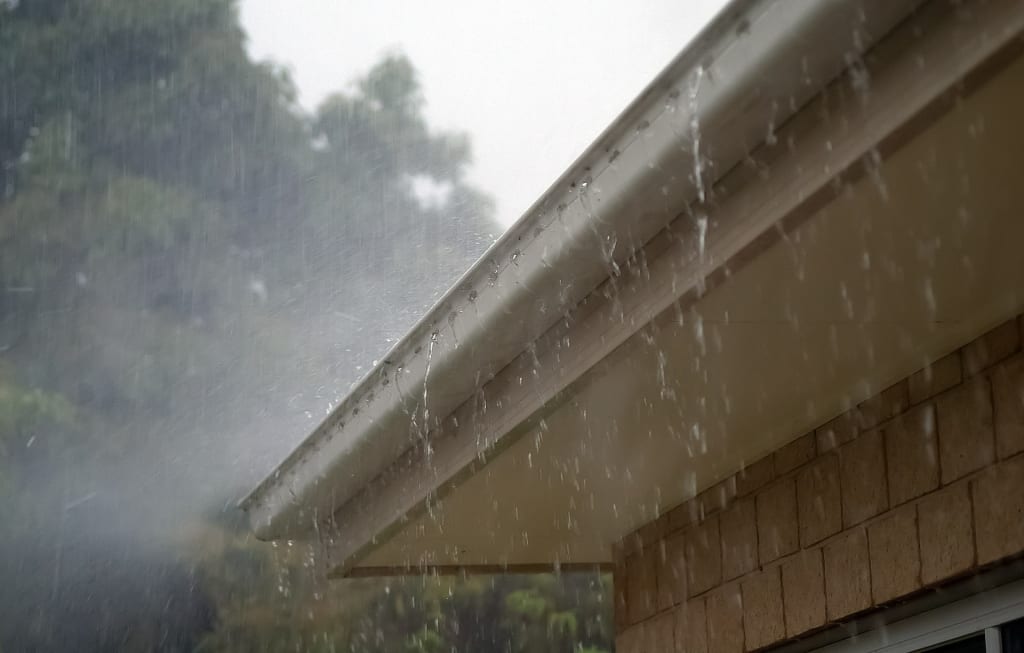
A well-maintained roof can do quite a bit to protect your home from water damage. If you have a strong roofing structure above your head, you probably don't even have to worry about water damage in your house. While a good quality roof will surely keep the water out of your house, there are many other factors at play here. In the same time you eill protect your home and boost your curb appeal If you're not sure where are the weak spots in your house, chances are you'll eventually have to do some repair here and there. To avoid this, make sure you know what parts of your house need an extra layer of protection. Eliminate the problems, and water damage won’t be a threat.
Close the windows
If you leave the windows open during a rainy day, you can be sure the water will find a way to enter your home. The best-case scenario here would be to just find a puddle of water underneath the windows.
Leaving the windows open during a storm will cause even more damage. Make sure to watch the forecast regularly. If you're not going to be present in your home on a rainy day, don't risk it and keep your windows closed.
Seal the windows and doors
Even if you close all the windows, water can still find a way inside your house. Check your doors and windows for cracks and make sure to fix any you might find as soon as possible. Repair or replace damaged windows if there are any.
Lubricate the operating mechanisms and check for any signs of moisture accumulation. A fresh layer of paint will keep the moisture out and keep them from squeaking to boot.
Invest in cavity walls
If you're in the process of renovating your house and wonder what is the best way to keep the water out of your home, invest in cavity walls. They reduce weights on foundation, they're cheaper, and they’re fire-resistant.
Better yet, they also serve as an extra layer of protection from water damage. If your goal is to make your home as safe from rain and moisture as possible, this strategy would work best for you.
Keep the vines far from the walls
One of the common mistakes most homeowners make is placing vines directly on the exterior walls. Although vines are aesthetically pleasing, they can do a lot of damage to your property.
If you place them directly on the wall, they may open small cracks. Those cracks might not be visible to the naked eye, but they'll allow the moisture to enter the house.
Trim the trees
Tree limbs can trap moisture and spread it where it shouldn’t go. Trim them regularly to prevent water damage. make sure the tree roots are not invading your plumbing lines either.
If your house is surrounded by big, mature trees, clean the gutters as well. Leaves may clog the gutters and prevent rainwater from flowing freely. It would be a good idea to clean them at least five to six times a year.
Add an extra layer of protection
No matter how stable you think the walls in your house are, keep in mind that they're not indestructible. If you bought an older house or just want to make sure the walls will stand strong, the walls could use a bit of extra protection.
Adding a layer of durable house cement rendering would do a lot of good for your wall's toughness and moisture protection. It's one of the most effective water damage prevention investments you can make. with one move, you'll ensure the quality of your walls will stay the same, despite a constant barrage of rain and moisture.
Install water detection devices
A water detector is an electronic device that sounds an alarm when its sensor comes in contact with moisture. It will detect small leaks and low moisture levels inside your home. It’s a useful gadget that can signal problems before they get out of hand.
Some detection devices systems can be programmed to shut off the water to the house to prevent a small leak from becoming a large one. Install it near toilets, dishwashers and water heaters to avoid any notable damage.
Conclusion
Your home is one of your most cherished possessions, and it is of great importance to make it as safe and tough as possible. Being a homeowner comes with a great deal of responsibility. If you don't take care of your house properly, it can get damaged in a lot of sudden and unexpected ways. Do house check-ups regularly and keep in mind that you'll always have to invest in house improvements and maintenance. Although any minor damage you encounter doesn't have to be fixed right away, invest in repairs as soon as possible to avoid any greater losses.
About the Creator
Ron Wolf
Ron Wolf is a hobby designer and a DIY enthusiast, and, above all, a very blessed father of two. Besides that, he has a strong passion for writing. He is a featured blogger at various blogs and magazines in which he shared his research.
9 Foods You Should Never Eat Past the Expiration Date, No Exceptions
But certain foods cross a line where the expiration date becomes about more than just quality—it’s about safety. Eating past that line can expose you to dangerous bacteria, toxins, or nutrient loss you can’t see or smell. Knowing which foods to never push beyond their expiration dates is key to keeping your kitchen safe. Here are the nine foods that are not worth the risk.
By General gyanabout 19 hours ago in Lifehack


Comments
There are no comments for this story
Be the first to respond and start the conversation.