
What Is A Heat Loss Survey?
We talk about heat loss surveys and how they can save you money on your energy bills.
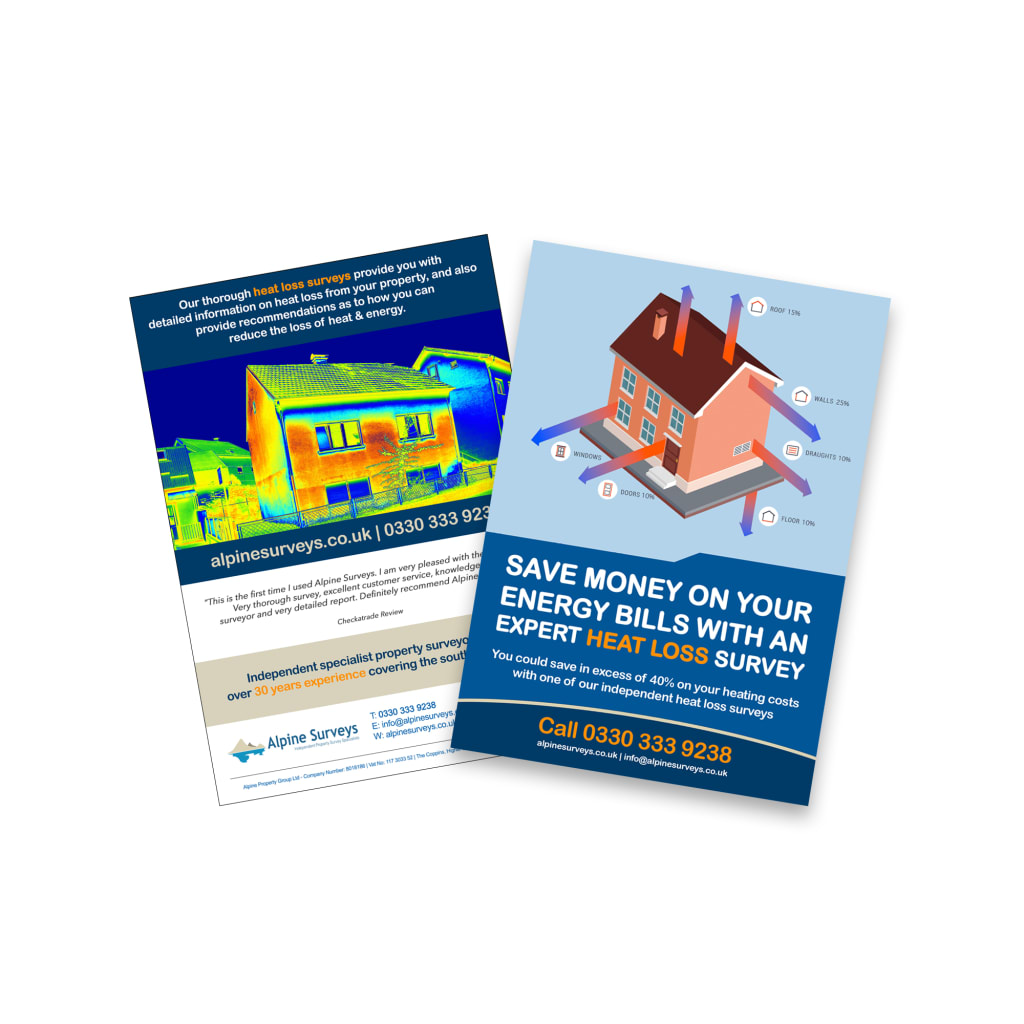
With energy bills rising through the roof, it's no wonder people are turning to new ways of keeping their outgoings as low as possible. One option is to have a heat loss survey carried out.
So what is a heat loss survey?
A heat loss survey aims to detect heat escaping from your property. The heat is generated by energy devices such as central heating (gas) or electric heating (Economy 7 overnight heaters), or even heat pumps.
Whilst a heat pump may be kinder to the environment, it still produces heat capable of escaping through weak points within the building. Weak points include,
- Gaps in doors and window frames
- Insufficient loft insulation
- Poor cavity wall insulation
- Inefficient boilers
- Cracks in walls
- Missing/damaged roof tiles
With so many variables that contribute toward the loss of heat in a building, having a professional heat loss and energy efficiency survey can identify areas of concern and provide recommendations for the reduction of the loss of heat, resulting in savings!
What equipment is used during a Heat Loss & Energy Loss Survey?
When a heat loss or energy efficiency survey is carried out, the surveyor will use various items of equipment that he has at his disposal. Not all companies will use the same equipment, however.
One such company that uses a vast array of tools to detect heat loss is Alpine Surveys. They use Flir Thermal Imaging cameras, which are similar to the military grade and spec used by armed forces. The thermal imaging cameras are so sensitive they can pick up temperature differences as accurately as 0.01 degrees centigrade.
When the heat loss survey is completed, the surveyor produces a detailed report, with explanations of his findings accompanied by images. The surveyor will detail all areas of concern and provide recommendations as to how to reduce the loss of heat in the property.
If the recommendations are carried out, the property should experience a significant reduction in heat loss, resulting in a reduction in the cost of their energy bills.
How can you reduce your energy bill costs?
There are many methods you can carry out to reduce heat loss in your home, some are cost-effective, whilst others require more effort and cost. We always suggest starting with the more affordable options and working your way through them.
Options can include, a roof insulation upgrade, or simply adding more roof insulation. Check the lagging on pipes in the loft space to ensure that they are protected against the cold elements.
Other options to consider when reducing the heat loss in your home would be to lay carpets or rugs, cold air from hard floors can have a large impact on your heating costs.
Changing Energy Supplier
If you are struggling with your heating bills, why not consider changing energy suppliers? Some companies are providing price caps, meaning it could be easier for your to manage your costs and reduce anxiety over forthcoming energy price hikes.
Some bill-payers have reportedly cancelled their direct debit payments as energy companies are taking large sums of money from their accounts based on predicted usage, rather than meter readings. However, whilst we do not recommend you do this, you may prefer to speak to the energy supplier to make an alternative arrangement.
You may be able to set up a payment system so that they only take the energy that you use, as opposed to taking what they predict you will be using. Often they base this on a number of occupants that would typically occupy the size of property you live in. However, if you live alone in a 3-bed property, for example, their estimation of your usage may be far higher than what is actually being used.
About the Creator
Keep reading
More stories from Chris Seagal and writers in Lifehack and other communities.
How to choose alpine skis?
Before the start of the winter season, it is important not only to decide on the place of future rest, but also to choose the right alpine skis. Moreover, not only the manufacturing company matters, but also the length, type of equipment, etc. Let's see what types of skis exist and how to choose them correctly.
By Olaf Podolski2 days ago in Lifehack
Smartphones Are Powerful Enough
For more than a decade, smartphones have followed a predictable trajectory: higher power, sharper images, and speedier internet. On paper, today’s technologies are substantially superior to those from even five years ago. Yet surveys, user forums, and daily encounters suggest a different image. Satisfaction hasn’t grown at the same pace as capacity.
By abualyaanart6 days ago in Lifehack



Comments
There are no comments for this story
Be the first to respond and start the conversation.