
What Happens When You Get a Hookworm Infection?
Understanding the Symptoms, Causes, and Treatment of Hookworm Infection
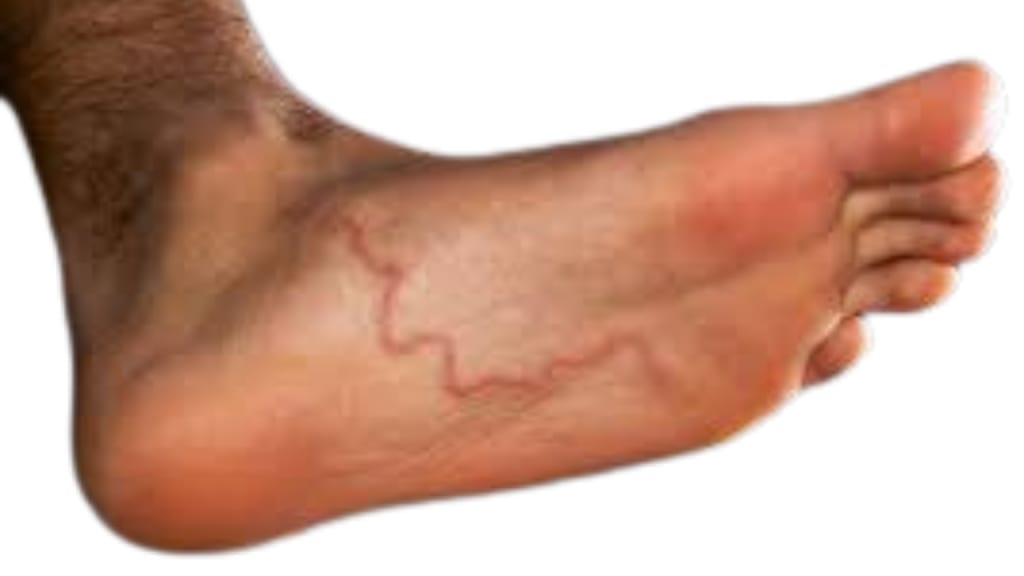
Hookworm infection is a type of parasitic infection that is caused by hookworms. It is a common problem in developing countries, especially in areas where sanitation is poor. This article will provide an overview of what happens when you get a hookworm infection, from the initial symptoms to the long-term effects.
Introduction
Hookworm infection is a parasitic infection that can affect both humans and animals. It is most commonly found in developing countries, especially in areas where sanitation is poor. Hookworms can cause a range of symptoms, from mild itching to severe anemia. In this article, we will explore what happens when you get a hookworm infection, how to diagnose and treat it, and how to prevent it from happening in the first place.
What are hookworms?
Hookworms are a type of parasitic worm that live in the small intestine of their host. There are two main types of hookworm that can infect humans: Ancylostoma duodenale and Necator americanus. Both of these types of hookworm are found in tropical and subtropical areas of the world.
Hookworms can grow up to 1 cm in length and have a hook-like mouth that they use to attach to the lining of the intestine. They feed on the blood of their host and can cause a range of symptoms, depending on the severity of the infection.
How do you get a hookworm infection?
Hookworm infections are usually caused by walking barefoot on soil that is contaminated with hookworm larvae. The larvae can penetrate the skin of the feet and migrate to the small intestine, where they develop into adult hookworms.
You can also get a hookworm infection by ingesting hookworm larvae that are present in contaminated food or water. This is less common than getting the infection through the skin.
Initial symptoms of hookworm infection
The initial symptoms of hookworm infection can include:
Itching and a rash at the site where the larvae entered the skin
Nausea and vomiting
Diarrhea or constipation
Abdominal pain
Fatigue
Loss of appetite
These symptoms can be mild or severe, depending on the number of hookworms in the intestine and the immune response of the host.
Diagnosis of hookworm infection
Hookworm infection can be diagnosed through a stool sample. The stool sample is examined under a microscope to look for the presence of hookworm eggs. Blood tests can also be done to check for anemia, which is a common complication of hookworm infection.
Treatment of hookworm infection
Hookworm infection is treated with medication that kills adult worms. The most commonly used medication is albendazole, which is taken orally for one to three days. In severe cases of hookworm infection, blood transfusions may be necessary to treat anemia.
Long-term effects of hookworm infection
Long-term hookworm infection can lead to chronic anemia, which can be severe enough to require blood transfusions. In children, hookworm infection can cause stunted growth and cognitive impairment.
Prevention of hookworm infection
The best way to prevent hookworm infection is to practice good hygiene. This includes:
Wearing shoes or sandals to protect Continuing with the article:
Your feet from the larvae in the soil
Washing your hands regularly, especially before eating or preparing food
Cooking food thoroughly to kill any hookworm larvae that may be present
Using clean, safe water for drinking and washing
Ensuring proper sanitation and waste disposal in your community
In addition, regular deworming programs can help prevent hookworm infection in areas where it is common. These programs involve administering medication to at-risk populations to kill any hookworms that may be present and prevent new infections from occurring.
Hookworm infection in developing countries
Hookworm infection is a significant problem in many developing countries, especially those with poor sanitation and limited access to healthcare. In these areas, hookworm infection can lead to chronic anemia, malnutrition, and impaired cognitive development in children.
Why is hookworm infection a problem?
Hookworm infection is a problem for several reasons. Firstly, it can cause a range of symptoms that can affect the health and well-being of infected individuals. Secondly, it is particularly common in areas where poverty and poor sanitation are prevalent, which can exacerbate the impact of the infection.
Finally, hookworm infection can have long-term effects on the growth and development of children, which can affect their ability to succeed academically and economically later in life.
How to help prevent hookworm infection in developing countries
There are several ways to help prevent hookworm infection in developing countries, including:
Supporting deworming programs that provide medication to at-risk populations
Promoting hygiene and sanitation education to help prevent the spread of infection
Supporting initiatives that provide safe water and sanitation facilities
Investing in healthcare infrastructure to improve access to treatment and care
By working together to address the root causes of hookworm infection, we can help improve the health and well-being of millions of people around the world.
Conclusion
Hookworm infection is a parasitic infection that can have a range of symptoms, from mild itching to severe anemia. It is most commonly found in developing countries, where poor sanitation and limited access to healthcare can exacerbate the impact of the infection.
Prevention of hookworm infection involves practicing good hygiene, using clean water, and ensuring proper sanitation and waste disposal. Regular deworming programs can also help prevent infection in at-risk populations.
By taking steps to prevent hookworm infection and address its root causes, we can help improve the health and well-being of millions of people around the world.
FAQs
Can hookworm infection be fatal?
In rare cases, hookworm infection can be fatal, particularly in individuals who are already weakened by other health conditions.
Is there a vaccine for hookworm infection?
There is currently no vaccine for hookworm infection.
How common is hookworm infection?
Hookworm infection is most common in developing countries, where poor sanitation is prevalent. It is estimated to affect around 576-740 million people worldwide.
Can hookworm infection be cured?
Yes, hookworm infection can be cured with medication.
How can I reduce my risk of getting a hookworm infection?
To reduce your risk of getting a hookworm infection, it is important to practice good hygiene, use clean water, and ensure proper sanitation and waste disposal. You can also consider wearing shoes or sandals when walking on soil that may be contaminated with hookworm larvae.
Thank you for reminding me. Continuing with the article:
How is hookworm infection diagnosed?
Hookworm infection can be diagnosed through a stool test, which looks for evidence of hookworm eggs in the feces. In some cases, a blood test may also be used to detect the presence of hookworm antibodies in the bloodstream.
How is hookworm infection treated?
Hookworm infection is typically treated with medication, such as albendazole or mebendazole. These medications work by killing the adult hookworms and preventing the release of new eggs. In most cases, a single dose of medication is sufficient to cure the infection.
In cases of severe anemia or malnutrition, additional treatment may be necessary to address these symptoms.
What are the long-term effects of hookworm infection?
In addition to the short-term symptoms of hookworm infection, such as itching and anemia, the infection can also have long-term effects on the growth and development of children. Chronic hookworm infection can lead to malnutrition, impaired cognitive development, and stunted growth, which can affect a child's ability to succeed academically and economically later in life.
Can hookworm infection be prevented in pets?
Yes, hookworm infection can be prevented in pets through regular deworming medication and proper sanitation. It is also important to prevent pets from coming into contact with contaminated soil or feces.
Can hookworm infection be transmitted from pets to humans?
Yes, hookworm infection can be transmitted from pets to humans, particularly through contact with contaminated soil or feces. It is important to practice good hygiene when handling pets and to prevent them from coming into contact with contaminated areas.
How can I support efforts to prevent hookworm infection?
There are several ways to support efforts to prevent hookworm infection, including:
Donating to organizations that provide deworming medication and promote sanitation and hygiene education in developing countries
Supporting initiatives that provide safe water and sanitation facilities
Encouraging policymakers to prioritize investment in healthcare infrastructure and disease prevention programs
By supporting these efforts, we can help reduce the incidence of hookworm infection and improve the health and well-being of individuals around the world.
Conclusion
Hookworm infection is a parasitic infection that can cause a range of symptoms, from mild itching to severe anemia. It is most commonly found in developing countries, where poverty, poor sanitation, and limited access to healthcare can exacerbate the impact of the infection.
Prevention of hookworm infection involves practicing good hygiene, using clean water, and ensuring proper sanitation and waste disposal. Regular deworming programs can also help prevent infection in at-risk populations.
About the Creator
Keep reading
More stories from Arshadnashat and writers in Lifehack and other communities.
Do Men Get Stronger as They Age? The Role of Exercise in Maintaining Physical Strength
As men age, many wonder whether they will become physically stronger or weaker. With the right exercise routine, men can maintain and even improve their physical strength as they age. In this article, we will explore the role of exercise in maintaining physical strength and answer the question, "Do men become physically stronger as they get older if they work out more?".
By Arshadnashat3 years ago in Lifehack
Your Comprehensive Guide to the EB-5 Visa
The United States has long been a destination for individuals seeking new opportunities and a better quality of life. For foreign investors, the EB-5 Immigrant Investor Program offers a direct path to achieving this goal. This program stimulates the U.S. economy through capital investment and job creation, and in return, provides investors and their families a route to permanent residency. This guide will walk you through every aspect of the EB-5 visa, from eligibility to the application process, so you can understand if this path is right for you.
By Ahsan Qazi 2 days ago in Lifehack
Marble Floor or Tile Floor: Which One Actually Works for Your Home?
You're renovating your home, the walls are done, the furniture is picked, and then you hit the floor decision. Suddenly you're standing in a showroom holding two samples: one gorgeous slab of marble and one sleek porcelain tile, completely stuck between choosing a Marble Floor or Tile Floor.
By Brijesh Agarwat4 days ago in Lifehack


Comments
There are no comments for this story
Be the first to respond and start the conversation.