
What Are Warehouse Management Solutions, and Why Do They Matter for Maximising Efficiency?
Maximize efficiency: Benefits of a Warehouse Management Solutions
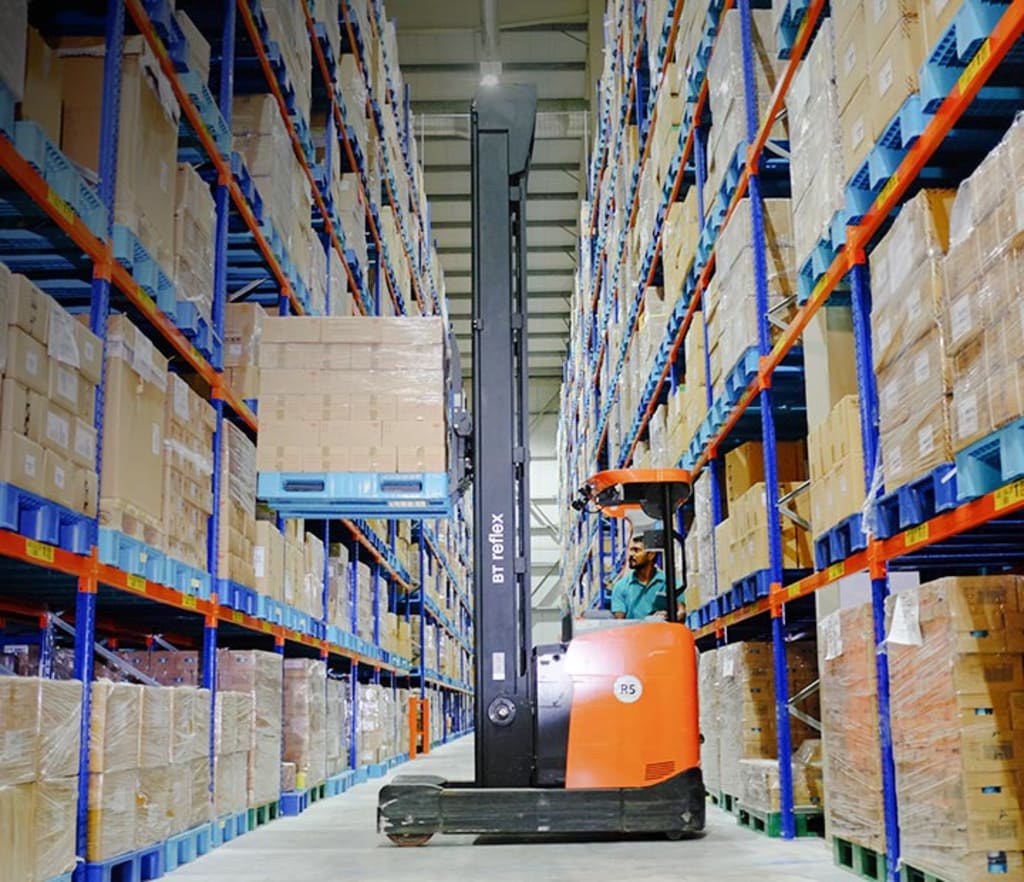
Warehouse Management Solutions (WMS) are sophisticated software systems that meticulously control and manage all daily operations within a warehouse or distribution centre. In today's fast-paced economy, WMS is essential because it provides real-time visibility and precise control over every product movement, from arrival to dispatch. By optimising complex logistics processes, WMS minimises operational costs, drastically reduces errors, and speeds up fulfilment, making it indispensable for maximising supply chain efficiency.
The Digital Handshake: Integrating WMS with ERP
A WMS isn't an isolated tool; its true power is unlocked through seamless integration with Enterprise Resource Planning (ERP) systems and other crucial supply chain software. This 'digital handshake' ensures that inventory data is consistent and accurate across all departments, be it finance, sales, or operations. Such integration is vital for preventing critical issues like stockouts, avoiding the pitfalls of overselling, and maintaining a cohesive operational overview, which underpins sound decision-making throughout the organisation.
Beyond Inventory: Space Optimisation
While tracking stock is fundamental, a WMS excels as a master space planner. It utilises advanced algorithms to guide the putaway process, recommending the most suitable location for each item. This intelligent placement considers factors such as item size, inventory velocity, and specific storage requirements like temperature control. This meticulous approach to space management effectively maximises cubic space utilisation within the warehouse and significantly reduces the travel time required for picking operations. Companies like McLarens Sri Lanka understand the intricate balance between efficient storage and rapid retrieval, leveraging such systems to maintain optimal warehouse layouts.
"Smart Picking" Strategies
Modern WMS platforms implement highly sophisticated picking methodologies, including batch picking, zone picking, and wave picking. These systems guide warehouse associates using mobile devices or advanced voice technology, eliminating traditional paper-based lists. This digital guidance dramatically reduces the distance associates need to travel and ensures the most efficient route is always followed, leading to substantial gains in picking speed and achieving near-perfect accuracy rates. Many progressive warehousing companies in Sri Lanka are adopting these technologies to enhance their service delivery.
Labour Management: The Hidden Efficiency Lever
A significant capability of advanced WMS is its capacity for real-time worker productivity tracking and measurement. Such systems can establish performance benchmarks, assign tasks based on individual skill sets and current location, and pinpoint operational bottlenecks. This transforms labour management from a variable cost into a quantifiable and manageable asset, optimising human resources to their fullest potential. By actively balancing workload distribution and minimising idle time, WMS ensures every hour of labour contributes directly to faster order fulfilment and lower operating expenses.
Compliance and Traceability: The Regulatory Lifeline
For sectors with stringent regulations, such as the food, pharmaceutical, or aerospace industries, strict compliance and traceability are non-negotiable. A WMS provides a comprehensive audit trail, meticulously tracking every product movement from its arrival at the dock, through storage, and until its final departure. This capability is indispensable for precise management of lot numbers, expiration dates (adhering to FEFO/FIFO principles), and executing product recalls with exactitude, safeguarding both product integrity and public safety.
Scaling with Data: The Power of Analytics
WMS platforms generate a wealth of operational data, encompassing everything from peak demand periods and receiving delays to putaway cycle times. The analytical insights derived from this data empower management to proactively forecast future needs, strategically adjust slotting arrangements to accommodate seasonal fluctuations, and make thoroughly data-driven decisions. This continuous feedback loop clarifies the efficiency of the entire operation, moving beyond assumptions to foster perpetual improvement and adaptability in a dynamic market. By identifying trends and predicting bottlenecks, analytics ensures that resources, like labour and equipment, are allocated precisely where and when they are needed most.
About the Creator
Keep reading
More stories from Aurora Gianna and writers in Lifehack and other communities.
What Makes Wellness Tourism the Travel Trend Everyone’s Talking About
Travelling around the world is something that most people seem to be doing. There are many types of trips, including business, adventure, cultural, exploration, and so much more. The kind of travel that’s getting recognised the most these days is wellness travel. But what is wellness tourism, or travel, exactly? Wellness tourism can be defined as the travel that prioritises well-being, self-care, as well as facilitates personal transformation and growth. The world is heavily leaning towards more digital consumption of content, and has no time for physical interactions and experiences. Many travellers are seeking experiences that allow them to disconnect from this digital world, rejuvenate, and reinvest in their health, which includes both the physical and mental aspects. Whether it's doing yoga in Bali, forest bathing in Japan, or spa rituals in Southeast Asia, wellness tourism is on the rise, reshaping the global travel landscape.
By Aurora Gianna5 months ago in Lifehack
Tempering Chocolate with Cocoa Butter
When you picture the perfect chocolate bar, you probably imagine a smooth, glossy surface that snaps cleanly when broken — the kind of finish that professional chocolatiers achieve effortlessly. The secret behind that flawless texture and shine lies in the delicate art of tempering chocolate with cocoa butter. Mastering this process ensures your chocolate has the perfect structure, sheen, and melt-in-the-mouth feel. Whether you’re a home baker or a chocolate enthusiast, learning how to temper chocolate properly is essential for creating professional-quality confections.
By Candy Desouza6 days ago in Lifehack


Comments
There are no comments for this story
Be the first to respond and start the conversation.