
What Are the Risks of UV-Induced Dark Skin Patches?
Understanding the Difference Between Hyperpigmentation and Skin Cancer

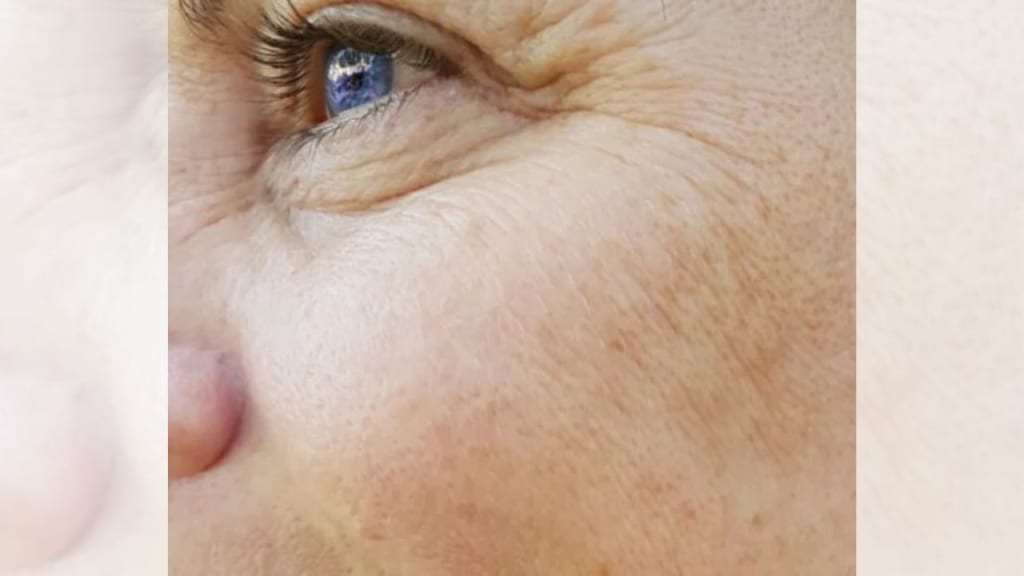
Exposure to ultraviolet (UV) radiation from the sun is a major cause of skin damage. While many people associate UV rays with sunburn, they can also lead to the development of dark skin patches. These patches may be caused by hyperpigmentation or, in more serious cases, may indicate skin cancer. Understanding the difference between hyperpigmentation vs melanoma and knowing when to seek medical advice is essential for maintaining healthy skin.
What Is Hyperpigmentation?
Hyperpigmentation is a common skin condition that causes certain areas of the skin to darken. This occurs when the body produces excess melanin, the pigment responsible for skin color, in response to factors such as sun exposure, inflammation, or hormonal changes. The result is darkened spots on the skin, often referred to as "sun spots" or "age spots."
Hyperpigmentation is generally harmless and can appear anywhere on the body, but it is most commonly found on areas frequently exposed to the sun, such as the face, hands, and shoulders. UV radiation triggers melanin production as a natural defense mechanism against sun damage. However, excessive UV exposure can overstimulate this process, leading to the formation of persistent dark spots.
Types of Hyperpigmentation
There are several types of hyperpigmentation, with the most common being:
- Sunspots (Solar Lentigines): Caused by prolonged sun exposure, these dark spots are usually found on areas of the skin that are frequently exposed to UV rays, such as the face, neck, and arms.
- Post-Inflammatory Hyperpigmentation (PIH): This type of hyperpigmentation occurs after an injury or inflammation to the skin, such as acne, eczema, or trauma. It can be worsened by UV exposure.
- Melasma: Commonly triggered by hormonal changes, particularly during pregnancy, melasma causes brown or gray patches on the face. Sun exposure can exacerbate melasma, making it more challenging to treat.
While these forms of hyperpigmentation are generally harmless, they can sometimes be confused with early signs of skin cancer. This confusion underscores the importance of understanding hyperpigmentation vs skin cancer.
Skin Cancer and Hyperpigmentation: Understanding the Differences
The primary concern when identifying dark patches on the skin is distinguishing between hyperpigmentation and melanoma, a type of skin cancer. While hyperpigmentation is typically benign, skin cancer poses a significant health risk and requires prompt medical attention.
Melanoma is the most dangerous form of skin cancer, and it can develop in existing moles or appear as new spots on the skin. Unlike hyperpigmentation, which generally presents as evenly colored patches, melanoma can have irregular shapes, uneven color, and may change over time. The key difference between melanoma vs hyperpigmentation lies in their appearance and behavior.
How to Differentiate Hyperpigmentation from Skin Cancer
When it comes to skin cancer vs hyperpigmentation, knowing what to look for can help in early detection. Here are some tips for differentiating between benign dark patches and those that may require further investigation:
- Asymmetry: Skin cancer lesions, such as melanoma, are often asymmetrical, meaning one half of the spot does not match the other. In contrast, hyperpigmentation is typically uniform in shape.
- Borders: Melanoma often has irregular or poorly defined borders, while hyperpigmentation usually has smooth, well-defined edges.
- Color: Melanoma may contain multiple colors, such as brown, black, red, or blue, whereas hyperpigmentation is typically one consistent color.
- Diameter: Dark spots larger than 6mm (about the size of a pencil eraser) should be evaluated by a healthcare professional, as they could indicate melanoma.
- Evolving: If a spot on your skin is changing in size, shape, or color over time, it is crucial to have it examined. Hyperpigmentation remains relatively stable, while skin cancer lesions often change.
If you notice any of these warning signs, it is essential to see a dermatologist. They can perform a thorough skin examination and, if necessary, a biopsy to determine whether the dark spot is hyperpigmentation or a sign of skin cancer.
Risks of UV-Induced Skin Cancer
UV radiation is a major risk factor for all types of skin cancer, including melanoma, basal cell carcinoma (BCC), and squamous cell carcinoma (SCC). Prolonged sun exposure can damage the DNA in skin cells, leading to mutations that cause cancer. While people with lighter skin are more susceptible to UV-induced skin cancer, those with darker skin tones are not immune.
It's also important to understand that hyperpigmentation and skin cancer are not mutually exclusive. Although hyperpigmentation is typically benign, chronic sun damage can increase the risk of skin cancer, particularly in areas where dark patches form.
Prevention Tips: Protecting Your Skin from UV Damage
To reduce the risk of developing both hyperpigmentation and skin cancer, it's important to take steps to protect your skin from UV radiation. Here are some tips to help keep your skin safe:
- Use Sunscreen: Apply broad-spectrum sunscreen with at least SPF 30 every day, even on cloudy days. Reapply every two hours, or more frequently if you're sweating or swimming.
- Seek Shade: When the sun is strongest (between 10 a.m. and 4 p.m.), seek shade or wear protective clothing, such as wide-brimmed hats and long-sleeved shirts.
- Avoid Tanning Beds: Tanning beds expose your skin to concentrated UV rays, increasing your risk of skin cancer and exacerbating hyperpigmentation.
- Monitor Your Skin: Regularly check your skin for any changes in dark spots, moles, or other lesions. If you notice any suspicious changes, schedule a visit with a dermatologist.
When to See a Dermatologist
While hyperpigmentation is generally not a cause for concern, it’s important to see a dermatologist if you notice any signs of melanoma vs hyperpigmentation. Early detection of skin cancer hyperpigmentation can save lives, as melanoma is highly treatable when caught early.
Additionally, if you’re concerned about the appearance of dark spots or are unsure whether they are caused by hyperpigmentation or skin cancer, a professional evaluation can provide peace of mind and guide you toward the appropriate treatment options.
Conclusion
UV-induced dark skin patches can be caused by hyperpigmentation or, in more serious cases, may indicate skin cancer. While hyperpigmentation is usually harmless, it’s crucial to understand the differences between hyperpigmentation vs melanoma and to monitor your skin for any suspicious changes. By protecting your skin from UV damage and seeking medical advice when necessary, you can reduce your risk of both skin cancer and hyperpigmentation.
About the Creator
National Skin Cancer Centres
At our skin cancer clinic in Melbourne, Berwick Skin Cancer Centre, we provide a comprehensive approach to looking after your skin health.
Keep reading
More stories from National Skin Cancer Centres and writers in Lifehack and other communities.
What Are the Main Differences Between Birthmarks and Melanoma?
Birthmarks and melanoma can sometimes be difficult to tell apart, especially when they both appear as brown or dark marks on the skin. However, distinguishing between normal birthmarks and signs of skin cancer is critical to maintaining skin health. In this blog, we will explore the key differences between birthmarks and melanoma, highlighting the characteristics that may indicate a birthmark has become cancerous.
By National Skin Cancer Centresabout a year ago in Lifehack
What to Expect From Mobile App Development Teams in Miami?
Miami’s tech ecosystem grew fast and unevenly. According to Statista, Florida’s digital economy expanded by over 17 percent between 2022 and 2025, pulling in agencies, freelancers, boutique firms, and offshore-linked teams at very different maturity levels.
By Mike Pichai2 days ago in Lifehack
The Guardian Geofence: Creating Dynamic Safe Zones for School, Sports, and Travel
The Guardian Geofence: Creating Dynamic Safe Zones Geofencing—creating virtual boundaries that trigger alerts—is one of the most powerful yet underutilized features of modern family safety. Moving beyond a single home alert, you can create a dynamic system of "safe zones" that automatically keeps you informed during daily routines and special trips.
By Olivia Martinezabout 9 hours ago in Lifehack




Comments (1)
well done