
What Are the Best Foods for Bone Density After 50?
Best Foods for Bone Density

As we age, maintaining bone health becomes increasingly important. After the age of 50, our bones naturally begin to lose density due to hormonal changes, reduced physical activity, and nutrient absorption issues. This can increase the risk of osteoporosis, fractures, and mobility issues. The good news? A bone-strengthening diet can play a powerful role in preserving your skeletal health and helping you stay strong and active.
In this article, we’ll explore the best foods to support bone density after 50, along with tips on how to include them in your daily meals for maximum benefit.
1. Dairy Products: Rich in Calcium and Vitamin D
Milk, yogurt, and cheese are among the best dietary sources of calcium, the mineral your bones need most. Calcium is essential for maintaining bone structure and strength. Dairy products are also often fortified with vitamin D, which helps your body absorb calcium more effectively.
Opt for low-fat or non-fat versions to reduce saturated fat intake, especially if you're watching your heart health. If you’re lactose intolerant, try lactose-free milk or fortified plant-based alternatives like almond or soy milk.
2. Leafy Green Vegetables: Natural Calcium Boosters
Dark leafy greens such as kale, collard greens, bok choy, and spinach are excellent plant-based sources of calcium. They also contain vitamin K, a nutrient that supports bone mineralization and reduces the risk of fractures.
Incorporating these vegetables into salads, stir-fries, or smoothies is a great way to get more bone-supportive nutrients without adding excess calories. Just keep in mind that spinach, while high in calcium, contains oxalates that may hinder absorption—so vary your greens.
3. Fatty Fish: The Power of Omega-3 and Vitamin D
Salmon, sardines, mackerel, and tuna are rich in vitamin D and omega-3 fatty acids—both of which are crucial for bone health. Vitamin D helps your body use calcium efficiently, while omega-3s may reduce inflammation that can lead to bone loss.
Canned sardines and salmon with bones are particularly beneficial because the edible bones provide a concentrated source of calcium. Aim for two servings of fatty fish per week to support both your bones and cardiovascular system.
4. Nuts and Seeds: Magnesium and Phosphorus Sources
Almonds, walnuts, chia seeds, and flaxseeds contain essential minerals like magnesium and phosphorus. Magnesium helps regulate calcium levels and supports vitamin D metabolism, while phosphorus is another building block of bone tissue.
These make excellent snacks or toppings for yogurt and oatmeal. Just be mindful of portion sizes, as nuts and seeds are calorie-dense. A small handful a day is generally enough to reap the benefits.
5. Eggs: An Easy Way to Get Vitamin D
Eggs are one of the few natural food sources of vitamin D, which is mostly concentrated in the yolk. While they don’t contain huge amounts, incorporating eggs into your diet can complement other vitamin D sources and help you meet your daily requirements.
Try boiled eggs as a snack, or use them in salads, breakfast dishes, or even as a protein addition to soup. For those watching cholesterol, it’s generally fine to eat an egg a day unless advised otherwise by your doctor.
6. Fortified Foods: Smart Support for Bone Health
Many foods today are fortified with nutrients essential for bone density. These include breakfast cereals, orange juice, and plant-based milks fortified with calcium and vitamin D.
Check nutrition labels to ensure you’re choosing products with meaningful nutrient additions. These can be especially helpful if you're not getting enough of these vitamins and minerals from natural sources or sunlight.
7. Beans and Lentils: Packed with Bone-Building Minerals
Beans and lentils are loaded with nutrients like calcium, magnesium, and zinc. These legumes also provide plant-based protein, which is essential for maintaining bone mass and preventing muscle loss as you age.
Add them to soups, stews, salads, or make delicious spreads like hummus. Not only are they affordable, but they’re also high in fiber, supporting overall digestive and metabolic health alongside your bones.
8. Fruits High in Vitamin C: For Collagen Production
Oranges, strawberries, kiwi, and bell peppers are high in vitamin C, which plays a critical role in collagen formation. Collagen is the protein framework upon which bone mineralization occurs.
A diet rich in vitamin C can help preserve bone structure and strength. Include fresh fruits in your breakfast or as healthy snacks throughout the day for a steady supply of this powerful antioxidant.
9. Tofu and Tempeh: Plant-Based Calcium and Protein
Tofu made with calcium sulfate is a calcium-rich food, often providing more per serving than a glass of milk. It’s also a great source of protein, making it ideal for vegetarians and vegans.
Tempeh, another soy-based product, contains bone-benefiting minerals like magnesium and phosphorus. Use them in stir-fries, sandwiches, or even grilled dishes to enhance both taste and nutrition.
10. Whole Grains: Nutrient-Dense and Bone-Friendly
Whole grains like brown rice, oats, and quinoa contain magnesium and small amounts of calcium and zinc. While they aren’t the most concentrated sources, they contribute to overall mineral intake when part of a balanced diet.
Replace refined grains with whole grains whenever possible to support not just bone health but also digestion and heart function. Try overnight oats, quinoa bowls, or whole grain wraps to mix things up.
Best Nutritionist in Faisalabad – Book Online Appointment
Final Thoughts: Bone Health Starts on Your Plate
After the age of 50, paying attention to your diet is essential to protect your bone density and overall mobility. By incorporating a wide variety of nutrient-dense foods rich in calcium, vitamin D, magnesium, and other key minerals, you can build a solid nutritional foundation for strong bones.
While supplements may be helpful in certain cases, they should never replace a balanced diet. Pairing the right foods with weight-bearing exercise and lifestyle changes like limiting alcohol and quitting smoking can go a long way in maintaining bone strength as you age. Your bones carry you through life—nourish them well.
About the Creator
Zuraiz Khan
Full Time SEO Expert and Part Time Content Writer
Keep reading
More stories from Zuraiz Khan and writers in Lifehack and other communities.
How to Track Your Hormones for Better Fertility
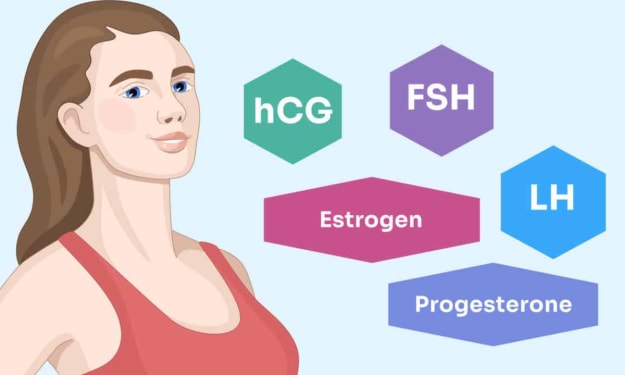
Tracking your hormones is a smart and proactive way to improve fertility. Hormones regulate ovulation, menstruation, and the ability to conceive and sustain a pregnancy. By understanding your hormonal patterns, you can identify fertile days, spot imbalances, and make informed decisions. Whether you're trying naturally or preparing for fertility treatments, hormone tracking can offer valuable insights. It puts you in control of your reproductive health and timing.
By Zuraiz Khan8 months ago in Lifehack
Smartphones Are Powerful Enough
For more than a decade, smartphones have followed a predictable trajectory: higher power, sharper images, and speedier internet. On paper, today’s technologies are substantially superior to those from even five years ago. Yet surveys, user forums, and daily encounters suggest a different image. Satisfaction hasn’t grown at the same pace as capacity.
By abualyaanarta day ago in Lifehack
My New Book is Finally Here
My poetry collection Beautiful and Brutal Things is done. It's actually done and finally published over 270 pages. Over a year of my life went into this book. More than a year, really. Long days at my computer, sometimes seven days a week because I couldn't stop even when I probably should have. Then two months of editing that felt harder than the writing itself. But it's finished, and I'm still standing, and the book is real.
By Tim Carmichael5 days ago in BookClub



Comments
There are no comments for this story
Be the first to respond and start the conversation.