
What Are Bovine Hides? A Complete Guide
This article is about bovine hides. In this article, we will explain what is it. What are the uses of this leather and its importance in 2025?
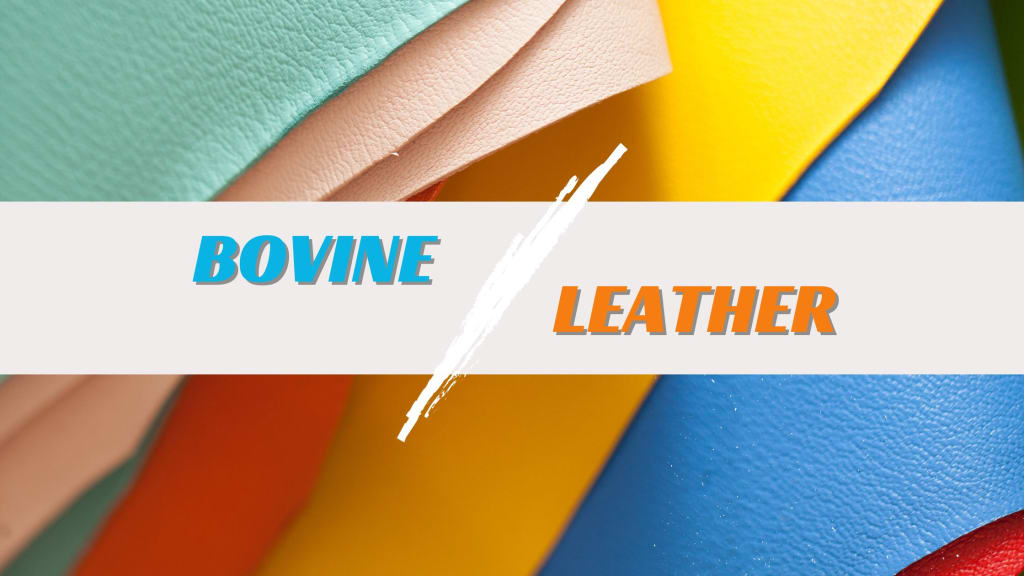
Bovine leather hide is a type of leather made from the skin of cattle, including cows and bulls. This leather is highly valued because of its durability, strength, and versatility. It is one of the most commonly used leathers worldwide due to its availability and affordability.
Bovine leather is thicker and stronger than many other types of leather, making it ideal for various uses. It's perfect for crafting shoes, bags, belts, furniture, and even car seats. The tanning process enhances the leather's natural properties, ensuring it remains flexible, long-lasting, and resistant to wear. Different finishes, such as full-grain, top-grain, and corrected-grain, make bovine hides suitable for both luxury items and everyday products.
How Are Bovine Hides Prepared?
The preparation of bovine hides is a detailed process that transforms raw animal skin into usable leather. Here's how it's done:
Sourcing and Collection
Bovine hides are collected as a by-product of the meat industry, ensuring ethical use of resources. The hides are transported to tanneries for further processing.
Cleaning and Pre-Tanning
Soaking: The hides are soaked in water to remove dirt and rehydrate them for easy processing.
Liming: A chemical solution removes hair and fat while loosening the fibres for tanning.
Fleshing: Any remaining tissue or fat is scraped off mechanically, leaving a clean hide ready for tanning.
Tanning Process
Tanning converts the rawhide into durable leather. Common methods include:
Chrome Tanning: A fast method that uses chromium salts to create soft and flexible leather.
Vegetable Tanning: An eco-friendly process using plant-based tannins, resulting in firm, natural leather.
Combination Tanning: A mix of chrome and vegetable tanning for added strength and flexibility.
Drying and Conditioning
After tanning, the hides are dried to remove excess moisture and conditioned to maintain softness and flexibility.
Finishing
Dyeing: Hides are coloured to meet specific design needs.
Embossing: Patterns or textures are added for aesthetic appeal.
Polishing and Coating: A final layer is applied to protect the leather and enhance its appearance.
Cutting and Grading
The finished leather is cut into sections and graded based on its quality. High-grade leather is used for premium products, while lower grades are suited for industrial purposes.
This careful process ensures that bovine leather is durable, beautiful, and ready for various uses.
Why Are Bovine Hides Important in 2025?
Bovine leather continues to be a critical material in 2025 for several reasons:
Versatility Across Industries
This leather is used in multiple industries, including fashion, furniture, and automotive. Its adaptability makes it essential for crafting items like shoes, handbags, car seats, and protective gear.
Focus on Sustainability
As a by-product of the meat industry, promotes ethical resource use and reduces waste. Modern tanning techniques, like vegetable tanning, further enhance its eco-friendliness, aligning with the global push toward sustainability.
Durability and Longevity
Consumers are seeking products that last longer, and bovine leather fits the bill. Its strength and resistance to wear make it a reliable choice for items designed for daily use, such as boots, furniture, and industrial gloves.
Aesthetic and Functional Appeal
The natural grain adds a touch of elegance to products, while its durability ensures functionality. Whether it's used for luxurious bags or rugged saddles, bovine leather is both practical and stylish.
Common Uses of Bovine Hides
Bovine leather is one of the most versatile materials, with applications in various industries:
Fashion and Accessories
Shoes and Boots: Durable and long-lasting, perfect for heavy use.
Bags and Wallets: Flexible yet firm, ideal for stylish accessories.
Belts: Holds its shape and offers exceptional strength.
Furniture and Automotive
Sofas and Chairs: Adds a luxurious touch to homes while being highly durable.
Car Seats: Resists wear and tear, maintaining its elegance in automotive interiors.
Industrial Applications
Safety Gear: Used for gloves, aprons, and other protective equipment.
Saddles and Harnesses: Strong enough for heavy-duty equestrian uses.
Home Décor
Rugs and Wall Art: Adds a rustic yet elegant feel to interiors.
Crafting and DIY Projects
Handmade Items: Crafters love bovine for creating unique products like journals, keychains, and phone cases.
Conclusion
Bovine leather is an essential material in modern industries due to its strength, versatility, and affordability. It plays a crucial role in fashion, furniture, and industrial applications, making it a go-to choice for manufacturers and consumers alike. As sustainability becomes increasingly essential, it continues to be an eco-friendly option, mainly when processed using vegetable tanning methods.
With its timeless appeal and ability to adapt to changing needs, bovine leather is a material that bridges tradition and innovation. Whether you're looking for durability, elegance, or practicality, it is a dependable choice for 2025 and beyond.
About the Creator
Keep reading
More stories from Leather Hide and writers in Lifehack and other communities.
Everything You Need to Know Before Buying Buffalo Leather
Buffalo leather is one of the most durable and versatile types of leather available. Known for its strength and natural rugged texture, buffalo leather is often chosen for products that need to withstand heavy use. From sturdy work boots to stylish vintage bags, this leather offers a unique blend of toughness and style that continues to grow in popularity. Whether you're a craftsman looking for quality material or a shopper in search of long-lasting leather goods, understanding the different types of buffalo leather can help you make the best choice.
By Leather Hideabout a year ago in Journal
The Path to Salvation
The late autumn evening air filled the monk's lungs, but it wasn't the season that chilled his bones. The heavy-handed presence of evil he had sensed upon entering the woods surrounding this mountain village had not bothered to conceal itself from him.
By Made in DNA5 days ago in Fiction


Comments
There are no comments for this story
Be the first to respond and start the conversation.