
Wellness vs. Well-being: Understanding the Differences
Exploring the Distinctions Between Wellness and Well-being


Introduction:
Wellness and well-being are two terms that are often used interchangeably, but they are not the same. While they share some similarities, they have distinct differences that are important to understand. In this article, we will explore the differences between wellness and well-being and why it is important to prioritize both in our lives.
Wellness:
Wellness is a holistic concept that encompasses all aspects of a person's health, including physical, mental, and emotional well-being. It is a state of being healthy in body and mind, achieved through a combination of healthy lifestyle choices, regular exercise, and good nutrition. Wellness is not just about being free from illness or disease, but also about actively pursuing a healthy lifestyle that promotes overall well-being.
Components of Wellness:
There are several components of wellness that are important to consider:
Physical wellness: This involves taking care of your body through regular exercise, good nutrition, and avoiding harmful habits such as smoking and excessive alcohol consumption.
Mental wellness: This involves taking care of your mind by practicing stress-reduction techniques, seeking help when needed, and engaging in activities that promote mental well-being.
Emotional wellness: This involves being aware of and managing your emotions in a healthy way, as well as forming healthy relationships with others.
Spiritual wellness: This involves having a sense of purpose and meaning in life, as well as engaging in activities that promote spiritual growth and development.
Well-being:
Well-being, on the other hand, is a broader concept that encompasses more than just physical and mental health. It refers to a person's overall quality of life, including their sense of purpose, social connections, and emotional stability. Well-being is achieved through a combination of factors, including personal growth, positive relationships, and a sense of meaning and purpose in life.
Components of Well-being:
There are several components of well-being that are important to consider:
Purpose: Having a sense of purpose and meaning in life.
Social connections: Maintaining positive relationships with family, friends, and community members.
Emotional stability: Being able to manage and regulate emotions in a healthy way.
Positive self-image: Having a positive view of oneself and one's abilities.
Personal growth: Engaging in activities that promote personal growth and development.
Conclusion:
In conclusion, while wellness and well-being share some similarities, they are distinct concepts that are important to understand. Prioritizing both in our lives can lead to a happier, healthier, and more fulfilling life. By focusing on physical, mental, emotional, and spiritual wellness, as well as purpose, social connections, emotional stability, positive self-image, and personal growth, we can achieve a state of overall well-being.
Summry
The terms wellness and well-being are often used interchangeably, but they are not the same. Wellness is a holistic concept that encompasses physical, mental, and emotional well-being achieved through healthy lifestyle choices, regular exercise, and good nutrition. On the other hand, well-being is a broader concept that includes a person's overall quality of life, sense of purpose, social connections, and emotional stability.
There are several components of wellness and well-being that are important to consider. Physical wellness involves taking care of the body through exercise, good nutrition, and avoiding harmful habits. Mental wellness involves practicing stress-reduction techniques, seeking help when needed, and engaging in activities that promote mental well-being. Emotional wellness involves being aware of and managing emotions in a healthy way, as well as forming healthy relationships with others. Spiritual wellness involves having a sense of purpose and meaning in life and engaging in activities that promote spiritual growth and development.
Components of well-being include having a sense of purpose and meaning in life, maintaining positive relationships with family, friends, and community members, being able to manage and regulate emotions in a healthy way, having a positive view of oneself and one's abilities, and engaging in activities that promote personal growth and development.
Prioritizing both wellness and well-being can lead to a happier, healthier, and more fulfilling life. By focusing on all the components of wellness and well-being, individuals can achieve an overall state of well-being.
About the Creator
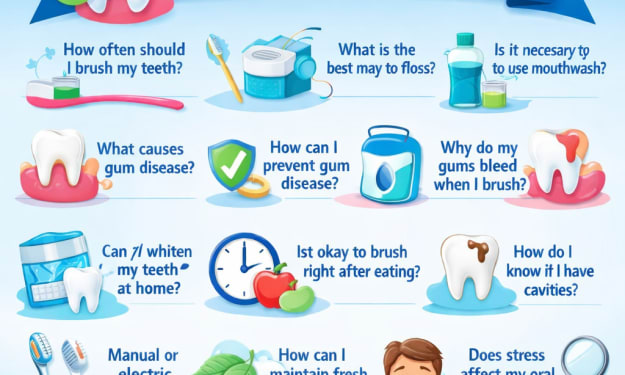
Why Oral Health Matters More Than You Think
Your mouth is one of the main gateways to your body. Everything you eat and drink passes through it first. When hygiene is neglected, harmful bacteria can grow quickly, forming plaque and irritating soft tissues. Over time, this can lead to inflammation, sensitivity, and infections that may even affect other parts of the body.
By Nenci Gajera a day ago in Lifehack
How To Plan Your Packing List for A January Visit to The Hills
The beautiful country of Sri Lanka, also known as the pearl of the Indian Ocean, is a fantastic place to visit, especially for anyone hoping to get a glimpse of the misty hills. January is quite a pleasant time to travel through Sri Lanka’s hill country. Cooler air, foggy mornings, as well as the gorgeous scenery of tea estates, create a great setting to travel in. Packing with care helps you stay comfortable during road journeys, outdoor walks and quiet evenings indoors. This guide is a breakdown of the most practical way to pack for this trip without carrying more than you need.
By John Pattingsonabout 16 hours ago in Lifehack



Comments
There are no comments for this story
Be the first to respond and start the conversation.