
Weight Management: Tips for Achieving and Maintaining a Healthy Body Weight
Understanding the Importance of Weight Management, Strategies for Achieving and Maintaining a Healthy Body Weight, and the Role of Diet and Exercise in Weight Loss and Maintenance.


Weight management is a term used to describe the process of maintaining a healthy body weight through a combination of diet, exercise, and lifestyle modifications. It is important to maintain a healthy body weight as being overweight or underweight can lead to various health problems such as diabetes, heart disease, and other chronic conditions. In this article, we will discuss weight management in detail and explore the different methods of achieving and maintaining a healthy body weight.
The Importance of Maintaining a Healthy Body Weight:

Maintaining a healthy body weight is important for overall health and well-being. Being overweight or obese can increase the risk of developing chronic conditions such as heart disease, diabetes, and some types of cancer. It can also lead to joint problems, breathing difficulties, and sleep apnea. Being underweight can also have negative effects on health, including a weakened immune system and increased risk of osteoporosis. Therefore, it is important to maintain a healthy body weight to avoid these health problems.
How to Determine a Healthy Body Weight?
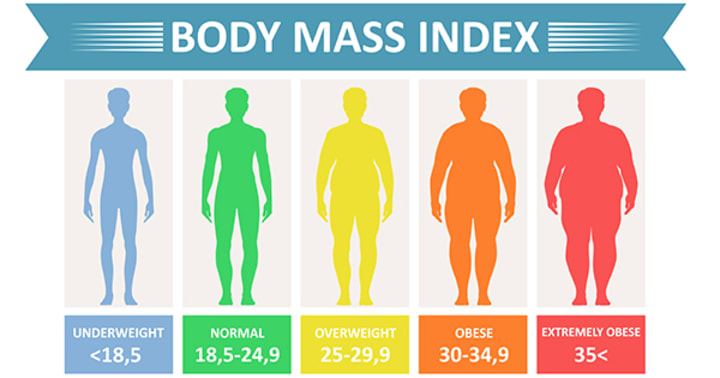
There are several methods for determining a healthy body weight. One of the most commonly used methods is the Body Mass Index (BMI). BMI is a calculation that takes into account a person’s weight and height. A BMI between 18.5 and 24.9 is considered healthy, while a BMI between 25 and 29.9 is considered overweight. A BMI over 30 is considered obese.
Another method for determining a healthy body weight is waist circumference. Measuring the waist circumference can help determine if a person is at risk for developing health problems related to excess body fat. Men with a waist circumference of over 40 inches and women with a waist circumference of over 35 inches are at increased risk for health problems related to excess body fat.
Tips for Weight Management:

There are several tips for weight management that can help individuals achieve and maintain a healthy body weight. These include:
Eat a Healthy Diet: A healthy diet is essential for weight management. Eating a balanced diet that includes a variety of fruits, vegetables, whole grains, lean proteins, and healthy fats can help individuals maintain a healthy body weight. It is important to avoid processed foods, sugary drinks, and foods high in saturated and trans fats.
Exercise Regularly: Regular exercise is essential for weight management. Engaging in physical activity for at least 30 minutes a day can help individuals maintain a healthy body weight. It is important to engage in a variety of activities, including aerobic exercise, strength training, and flexibility exercises.
Manage Stress: Stress can lead to overeating and weight gain. It is important to manage stress through activities such as meditation, yoga, and deep breathing exercises.
Get Enough Sleep: Getting enough sleep is essential for weight management. Lack of sleep can lead to weight gain as it can disrupt the hormones that regulate appetite and metabolism.
Drink Plenty of Water: Drinking plenty of water can help individuals maintain a healthy body weight. It can help to keep the body hydrated and can also help to reduce appetite.
Limit Alcohol Consumption: Drinking alcohol in moderation can be part of a healthy lifestyle. However, excessive alcohol consumption can lead to weight gain.
Be Mindful of Portion Sizes: It is important to be mindful of portion sizes. Eating too much can lead to weight gain, even if the food is healthy.
Keep a Food Diary: Keeping a food diary can help individuals track their food intake and make healthier choices.
Seek Support: It is important to seek support from family, friends, or a healthcare professional when trying to manage weight. Support can help to keep individuals motivated and accountable.
Weight Loss and Weight Maintenance:

Weight loss and weight maintenance are two important aspects of weight management. Weight loss involves losing excess body fat through diet and exercise,
while weight maintenance involves maintaining a healthy body weight over time. Weight loss can be achieved through a combination of diet and exercise, and it is important to set realistic goals and make lifestyle changes that can be sustained over time. It is also important to seek the advice of a healthcare professional before beginning a weight loss program.
Once weight loss is achieved, it is important to maintain a healthy body weight through continued healthy eating and regular exercise. This can be challenging, as many people struggle to maintain their weight loss over time. It is important to stay motivated and to continue making healthy choices.
Weight Loss Diets:

There are many different diets that have been proposed for weight loss. Some of the most popular diets include:
Low-Carb Diet: A low-carb diet involves reducing the amount of carbohydrates in the diet and increasing the amount of protein and fat. This type of diet has been shown to be effective for weight loss, but it can be difficult to sustain over time.
Low-Fat Diet: A low-fat diet involves reducing the amount of fat in the diet and increasing the amount of carbohydrates and protein. This type of diet can be effective for weight loss, but it is important to choose healthy sources of carbohydrates and protein.
Mediterranean Diet: The Mediterranean diet involves eating a diet that is high in fruits, vegetables, whole grains, lean protein, and healthy fats. This type of diet has been shown to be effective for weight loss and can also improve overall health.
Intermittent Fasting: Intermittent fasting involves restricting food intake for a certain period of time, followed by a period of normal eating. This type of diet has been shown to be effective for weight loss, but it can be difficult to sustain over time.
Plant-Based Diet: A plant-based diet involves eating a diet that is based on fruits, vegetables, whole grains, and plant-based protein sources. This type of diet has been shown to be effective for weight loss and can also improve overall health.
It is important to choose a diet that is sustainable and that meets individual needs and preferences. It is also important to seek the advice of a healthcare professional before beginning a new diet.
Conclusion:
Weight management is important for overall health and well-being. Maintaining a healthy body weight can help to reduce the risk of developing chronic conditions such as heart disease and diabetes. There are many tips for weight management, including eating a healthy diet, exercising regularly, managing stress, getting enough sleep, drinking plenty of water, limiting alcohol consumption, being mindful of portion sizes, keeping a food diary, and seeking support.

Weight loss and weight maintenance are important aspects of weight management. Weight loss can be achieved through a combination of diet and exercise, and it is important to set realistic goals and make lifestyle changes that can be sustained over time. Once weight loss is achieved, it is important to maintain a healthy body weight through continued healthy eating and regular exercise.
There are many different diets that have been proposed for weight loss, but it is important to choose a diet that is sustainable and meets individual needs and preferences. It is also important to seek the advice of a healthcare professional before beginning a new diet. By making healthy choices and maintaining a healthy body weight, individuals can improve their overall health and well-being.
I hope you like this blog, you can read other related articles from me:
My Official Website:
Follow Programming Hub on Facebook.
https://www.facebook.com/profile.php?id=100089858752142
Follow me on LinkedIn:
https://www.linkedin.com/in/mohammad-azeem-b37431161/
Follow me on Twitter:
https://twitter.com/Mohamme49054008
Thank you and Cheers !
About the Creator
Keep reading
More stories from Programming Hub and writers in Lifehack and other communities.
The Benefits of Vitamin C Serum for Your Skin
Vitamin C serum is a popular skincare product that has been gaining popularity in recent years. It is a concentrated liquid that contains high levels of Vitamin C, which is a powerful antioxidant that provides numerous benefits for the skin. Vitamin C serums are often used as a part of an overall skincare routine to help improve the appearance of fine lines, wrinkles, and skin tone. In this blog, we will take a closer look at Vitamin C serum, what it is, how it works, and its benefits for the skin.
By Programming Hub3 years ago in Lifehack




Comments
There are no comments for this story
Be the first to respond and start the conversation.