
Weight loss to cure sleep apnea
The high-quality one..


Introduction to Sleep Apnea:
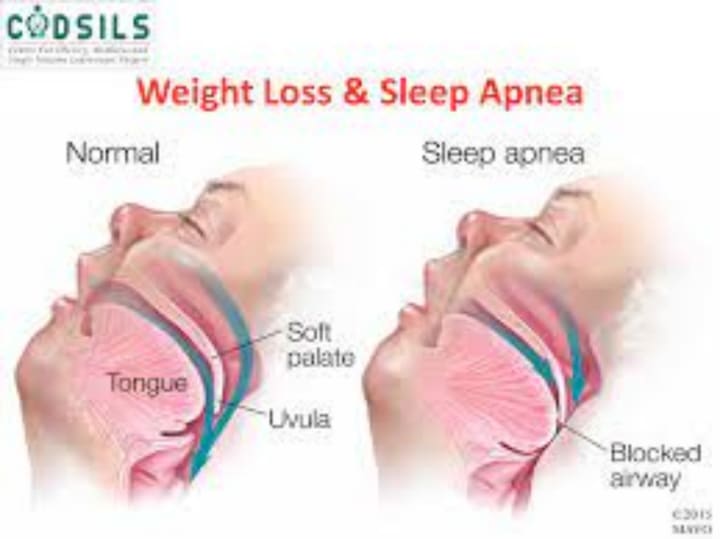
Sleep apnea is a sleep disorder characterized by pauses in breathing or shallow breathing during sleep. It can be classified into three types: obstructive sleep apnea (OSA), central sleep apnea (CSA), and complex sleep apnea syndrome (also known as treatment-emergent central sleep apnea). OSA, the most common type, occurs when the throat muscles intermittently relax and block the airway. CSA, on the other hand, involves the brain failing to transmit proper signals to the muscles that control breathing. Complex sleep apnea syndrome is a combination of both OSA and CSA. Sleep apnea can disrupt normal sleep patterns and lead to a range of symptoms and health risks.
Sleep Apnea and Weight Gain:
There is a strong association between weight gain and sleep apnea. Excess weight, particularly around the neck and throat area, can contribute to the development or worsening of sleep apnea. The extra weight puts pressure on the airway, making it more prone to collapse or become obstructed during sleep. As a result, individuals with obesity are at a higher risk of experiencing sleep apnea symptoms. Additionally, obesity can exacerbate the severity of sleep apnea, leading to more frequent and longer episodes of breathing pauses throughout the night.
Benefits of Weight Loss for Sleep Apnea:
Weight loss plays a crucial role in managing sleep apnea. It is considered a non-invasive treatment option that can alleviate symptoms and improve overall sleep quality. Shedding excess weight reduces the fat deposits around the throat and neck, relieving the pressure on the airway. This, in turn, helps to minimize or eliminate episodes of breathing interruptions during sleep. By losing weight, individuals with sleep apnea can experience a reduction in the frequency and duration of apnea events, leading to better oxygen levels and enhanced sleep patterns.
Recommended Weight Loss Strategies:
Several strategies can be employed to achieve weight loss and effectively manage sleep apnea:
1.Diet and Nutrition: A balanced and calorie-controlled diet is essential for weight loss. Emphasizing nutrient-rich foods, such as fruits, vegetables, lean proteins, and whole grains, while reducing calorie-dense options is crucial. Portion control and mindful eating techniques can also aid in weight management.
2.Physical Activity and Exercise: Regular physical activity is key to weight loss and sleep apnea management. Engaging in cardiovascular exercises, such as brisk walking, cycling, or swimming, helps burn calories and promote weight loss. Incorporating strength training exercises can build muscle mass, which increases metabolism and supports long-term weight maintenance.
3.Behavioral Modifications and Lifestyle Changes: Identifying factors contributing to weight gain and making behavioral changes is essential. Developing healthy sleep habits, such as sticking to a consistent sleep schedule and creating a comfortable sleep environment, can improve sleep quality. Managing stress levels, practicing relaxation techniques, and seeking social support can also aid in weight loss efforts.
4.Medical Interventions and Weight Loss Surgeries: In some cases, medical interventions or weight loss surgeries may be considered. These options are typically reserved for individuals with severe obesity or those who have not achieved sufficient weight loss through lifestyle modifications alone. Such interventions should be discussed with healthcare professionals and considered on a case-by-case basis.
By implementing these weight loss strategies, individuals with sleep apnea can work towards achieving their weight loss goals while simultaneously improving their sleep apnea symptoms and overall well-being.
TAKE CONTROL OF YOUR HEALTH AND FITNESS – START YOUR WEIGHT LOSS JOURNEY WITH US NOW..! https://tinyurl.com/yc8bwv6x
Implementing Weight Loss Strategies to Alleviate Sleep Apnea
Setting Weight Loss Goals:
When it comes to weight loss for sleep apnea management, it's important to set realistic and individualized goals. Factors such as overall health, sleep apnea severity, and personal circumstances should be considered. Consulting healthcare professionals, such as doctors or registered dietitians, can provide valuable guidance and help establish appropriate weight loss targets.
Diet and Nutrition:
A well-balanced and calorie-controlled diet is essential for weight loss. Creating a meal plan that incorporates nutrient-rich foods while reducing calorie-dense options is crucial. Focusing on fruits, vegetables, lean proteins, whole grains, and healthy fats can provide essential nutrients while promoting weight loss. Portion control and mindful eating techniques, such as eating slowly and paying attention to hunger and fullness cues, can also support weight management.
Physical Activity and Exercise:
Regular physical activity plays a significant role in weight loss and sleep apnea management. Engaging in a variety of exercises that suit different fitness levels and preferences is key. Cardiovascular exercises, such as brisk walking, jogging, dancing, or cycling, help burn calories and improve cardiovascular health. Strength training exercises, using resistance bands or weights, can build muscle mass, boost metabolism, and support long-term weight maintenance. Aim for at least 150 minutes of moderate-intensity aerobic activity or 75 minutes of vigorous-intensity aerobic activity per week, along with strength training exercises at least twice a week.
Behavioral Modifications and Lifestyle Changes:
Making behavioral modifications and adopting a healthier lifestyle can significantly contribute to weight loss and sleep apnea management. Identifying and addressing factors that contribute to weight gain, such as emotional eating or sedentary behaviors, is important. Developing healthy sleep habits, such as maintaining a consistent sleep schedule and creating a relaxing bedtime routine, can improve sleep quality. Managing stress levels through techniques like deep breathing, meditation, or engaging in enjoyable activities can also support weight loss efforts. Seeking social support from friends, family, or support groups can provide accountability and motivation.
Monitoring and Evaluation:
To track progress and make necessary adjustments, it's important to monitor weight loss efforts and evaluate their impact on sleep apnea. Regularly measuring weight, body mass index (BMI), and waist circumference can provide tangible data on changes. Monitoring sleep apnea symptoms, such as snoring frequency, daytime sleepiness, and overall sleep quality, can help assess improvements. Regular follow-ups with healthcare professionals, including sleep specialists, can ensure proper monitoring, guidance, and necessary modifications to the weight loss plan.
TAKE CONTROL OF YOUR HEALTH AND FITNESS – START YOUR WEIGHT LOSS JOURNEY WITH US NOW..! https://tinyurl.com/yc8bwv6x
In conclusion, weight loss plays a significant role in the management and alleviation of sleep apnea. Excess weight, particularly around the throat and neck area, contributes to the development and severity of the condition. By implementing effective weight loss strategies, such as a balanced diet, regular physical activity, behavioral modifications, and lifestyle changes, individuals can experience improvements in sleep apnea symptoms, including reduced frequency and duration of breathing pauses during sleep. Seeking professional guidance and monitoring progress are essential for success. With a holistic approach that combines weight loss and sleep apnea management, individuals can enhance their overall well-being and enjoy better sleep quality.
About the Creator
Keep reading
More stories from Yes itz me and writers in Lifehack and other communities.
Weight loss to help knee pain
Introduction: Weight loss plays a crucial role in managing knee pain, as excess weight places undue stress on the knee joints. In this section, we will explore the relationship between weight and knee pain, the impact of weight loss on knee pain reduction, and the scientific evidence supporting this correlation. Additionally, we will delve into the broader health benefits that weight loss offers beyond alleviating knee pain.
By Yes itz me3 years ago in Lifehack
SEO Mexico Tequila: Crafting Digital Strategy from the Heart of Mexico
In the evolving landscape of digital marketing, search engine optimization has become far more than a technical discipline. For many organizations, it represents a way of communicating values, sharing expertise, and building long-term relationships with audiences. Within this broader transformation, initiatives like SEO Mexico Tequila illustrate how regional knowledge, cultural perspective, and digital strategy can intersect to create meaningful impact.
By House Doctor4 days ago in Lifehack



Comments
There are no comments for this story
Be the first to respond and start the conversation.