
Unlocking the Power of Colour Therapy: A Vibrant Path to Emotional and Physical Well-being
Exploring how colour influences mood, energy, and healing—and why it’s gaining popularity in holistic health practices

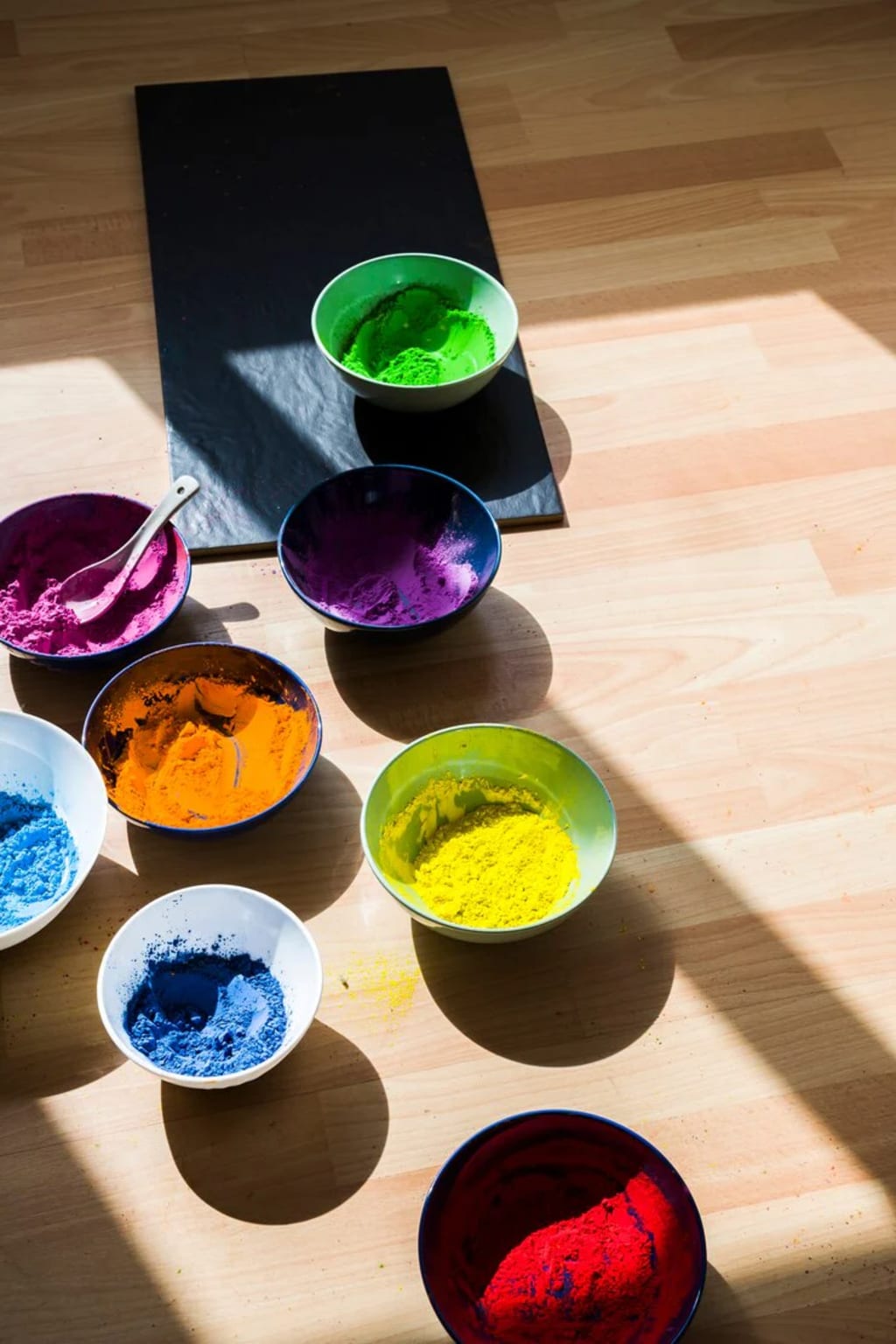
In the ever-evolving landscape of wellness, colour therapy—also known as chromotherapy—is experiencing a powerful resurgence. Once confined to esoteric circles, the use of colour as a healing modality is now being embraced by therapists, holistic practitioners, and even medical environments for its ability to impact mood, behaviour, and health.
But what exactly is colour therapy? And how can the colours surrounding us each day influence our emotional, physical, and energetic states?
What Is Colour Therapy?
Colour therapy is a non-invasive, vibrational healing method that uses the visible spectrum of light and colour to affect a person’s energy and well-being. Each colour carries its own wavelength and frequency, and these frequencies interact with our body’s energy systems in unique ways.
Practitioners of colour therapy often use coloured light, visualisation, coloured fabrics, or environmental changes to help balance the chakras, soothe emotional distress, and promote holistic healing. Whether it’s the calming influence of soft blues or the energising effect of bold reds, colour has a profound impact on how we feel, think, and even heal.
The Psychology of Colour
Colour is processed through our visual system, but its effect is far more than aesthetic. It taps directly into our psychological and physiological responses. Research shows that certain colours can stimulate the brain, alter heart rate, and influence hormone production.
- Blue is known for its calming effects, often used to alleviate anxiety and promote restful sleep
- Green symbolises renewal and balance, commonly used to support healing and stress relief
- Yellow boosts optimism and energy levels, making it ideal for combating fatigue or seasonal low moods
- Red increases circulation and passion, but can also heighten emotions, making it powerful in moderation
- Violet is tied to spiritual awareness and higher consciousness, used frequently in meditation and therapy rooms
Understanding the psychological response to colour allows practitioners to select the right hues to support emotional or physical needs.
Benefits of Colour Therapy
Incorporating colour therapy into daily life or wellness sessions can offer a wide range of benefits. While results may vary based on individual sensitivity, many report meaningful improvements in the following areas:
- Reduced anxiety and emotional tension
- Enhanced focus and mental clarity
- Increased vitality and physical energy
- Improved sleep and relaxation
- Heightened intuition and spiritual connection
- Faster recovery from illness or fatigue
One of the great strengths of colour therapy is its accessibility. You don’t need a practitioner to begin experimenting with colour—simple changes in your environment, wardrobe, or digital screens can create noticeable shifts.
How Colour Therapy Works in Practice
A professional colour therapy session typically begins with an assessment of your emotional or physical needs. Based on this, the therapist may apply specific coloured lights to parts of your body or suggest visualisations to activate particular energy centres (chakras). You may also be guided to incorporate colours into your home or wardrobe to maintain the effects.
For example, someone suffering from sadness or fatigue may be encouraged to surround themselves with vibrant yellows or orange tones, while a person dealing with stress or overthinking may benefit from cool blues or purples in their environment.
Even indirect exposure—such as viewing images, meditating with colours, or journaling with coloured pens—can stimulate a therapeutic response.
Colour and Chakras: An Energetic Connection
Many colour therapy practitioners align colours with the body's seven main chakras:
- Red – Root Chakra (stability, grounding)
- Orange – Sacral Chakra (creativity, emotion)
- Yellow – Solar Plexus (confidence, personal power)
- Green – Heart Chakra (love, compassion)
- Blue – Throat Chakra (communication, truth)
- Indigo – Third Eye (intuition, insight)
- Violet – Crown Chakra (spirituality, connection)
Balancing the chakras with corresponding colours can help harmonise the body’s energetic flow, leading to better emotional and physical health.
A Growing Trend in Wellness Spaces
Colour therapy is increasingly being integrated into wellness centres, yoga studios, spas, and even hospitals. Many spaces now include chromotherapy lighting in treatment rooms or use colour-coded design to enhance comfort and healing.
As more people turn toward integrative approaches, colour therapy is becoming recognised as a valuable part of the wellness toolkit—not just for its visual appeal, but for its deep emotional and energetic resonance.
Explore Colour Therapy Further
To dive deeper into how specific colours affect the mind and body, and how to harness them in your personal healing journey, explore this comprehensive guide on colour therapy benefits. Whether you're a wellness practitioner or simply curious about adding more balance to your life, this resource offers valuable insight into the healing power of colour.
About the Creator
Kim Toki
Kim Chi Toki is a certified Reiki practitioner helping others find calm, clarity, and balance through energy healing. Learn more at https://www.kimtoki.com
You Won't Believe How Easy it is to Get 100,000 Miles Between Brake Jobs
Most drivers are destroying their brakes prematurely — and it has nothing to do with speed. As a Master Mechanic for 25 years, I’ve seen every driving style imaginable. And nothing reveals a driver’s habits faster than how often they need brake work.
By Jack Martina day ago in Lifehack
Top Seattle Mobile App Development Trends to Watch in 2026
The moment often comes quietly. A leadership team reviews last year’s mobile roadmap and realizes how much has already shifted. Costs are higher. Users are less patient. Regulations feel closer. What worked even two years ago now feels slightly outdated.
By Samantha Blakeabout 10 hours ago in Lifehack



Comments
There are no comments for this story
Be the first to respond and start the conversation.