
Unlock the Benefits of Music Therapy:
How Relaxing Music Can Transform Your Life
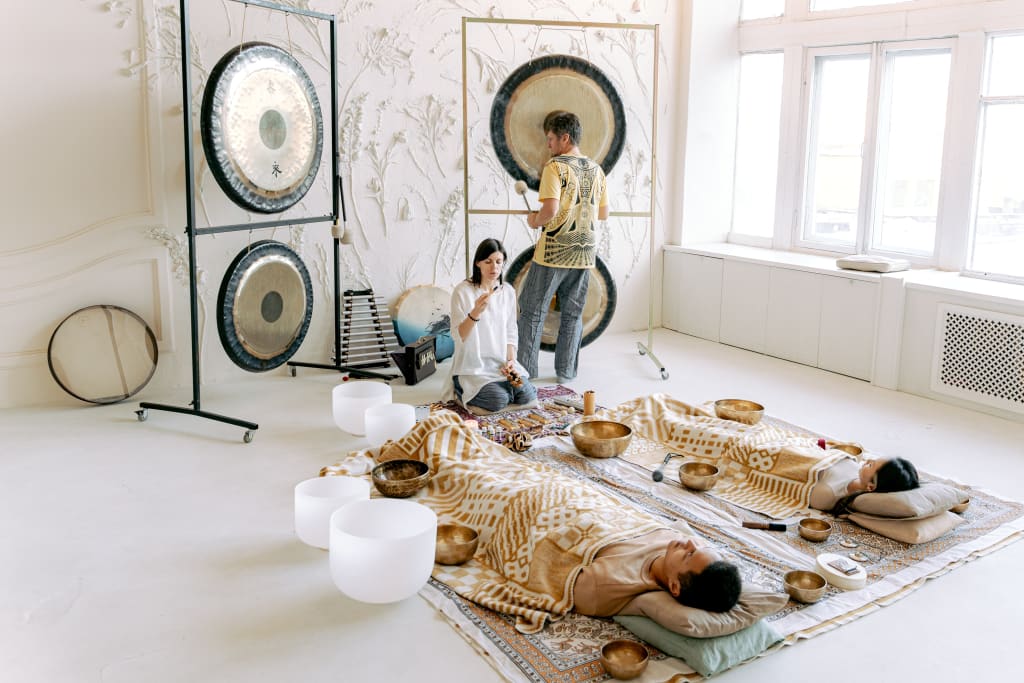
Music has been used for centuries to bring joy and comfort to people. It has been used to motivate, heal, and inspire. But what many people don’t know is that music can also be used as a form of therapy. Music therapy is a therapeutic technique that uses music to help individuals to achieve emotional, physical, and mental well-being. In this blog, we’ll explore the history of music therapy, the benefits of music therapy, and the different techniques used in music therapy. We’ll also discuss the use of music therapy in treating depression, anxiety, and other mental health conditions.
What is Music Therapy?
Music therapy is a form of therapy that uses music to address the physical, emotional, cognitive, and social needs of individuals. It is based on the idea that music can be used to help individuals to relax, express their emotions, and to reach their personal goals. Music therapy is provided by trained professionals, such as music therapists, who use music to help people to cope with stress, improve communication, and promote self-esteem.
Music therapy can be used in a variety of settings, including hospitals, schools, nursing homes, rehabilitation centers, and private practices. It can be used to address a wide range of issues, including anxiety, depression, trauma, and grief. Music therapy can also be used to help individuals develop their social skills, improve their communication skills, and increase their confidence.
History of Music Therapy
The history of music therapy can be traced back to ancient times when music was used to heal physical and emotional ailments. Music was believed to have magical powers that could be used to heal the sick and comfort the grieving. Music was also used to improve physical coordination, such as in the teaching of dance.
In modern times, music therapy has become an increasingly popular form of therapy. In the 1940s, music therapy was formally established as a form of therapy in the United States. Since then, music therapy has been used to help individuals with a wide range of physical and mental health issues.
Benefits of Music Therapy
Music therapy can have a range of benefits for individuals. It can help to reduce stress and anxiety, improve mood, and increase self-confidence. It can also help to improve communication, boost self-esteem, and promote relaxation.
Music therapy can also be used to address physical issues, such as pain, fatigue, and coordination. It can help to improve physical coordination, reduce muscle tension, and increase flexibility. Music therapy can also be used to help individuals to address physical disabilities and chronic illnesses.
Music Therapy and Mental Health
Music therapy can be an effective treatment for mental health issues, such as depression, anxiety, and stress. Research has shown that music therapy can help to reduce stress and anxiety, improve mood, and increase self-confidence. It can also help to improve communication, boost self-esteem, and promote relaxation.
Music therapy can also be used to address specific mental health issues, such as depression and anxiety. Music therapy can help to reduce symptoms of depression, such as low mood, fatigue, and difficulty concentrating. It can also help to reduce symptoms of anxiety, such as racing thoughts, irritability, and restlessness.
For relaxation and meditation music go to Relax with Ojo music channel.
Music Therapy Techniques
Music therapy can be used in a variety of ways. Music therapists use different techniques to help individuals to achieve their goals. These techniques can include active music-making, listening to music, writing music, and guided imagery.
Active music-making can involve playing instruments, singing, and movement. This type of music therapy can help to reduce stress and anxiety, improve coordination, and increase self-expression.
Listening to music can be used to help individuals to relax and to reduce stress and anxiety. Guided imagery can be used to help individuals to visualize a positive outcome or to access emotions. Writing music can be used to help individuals to express their thoughts and feelings.
Types of Music Therapy
There are several different types of music therapy. These include individual music therapy, group music therapy, and online music therapy.
Individual music therapy involves one-on-one sessions with a music therapist. This type of music therapy can be used to address specific issues, such as anxiety and depression.
Group music therapy involves groups of individuals working together with a music therapist. This type of music therapy can be used to build social skills, improve communication, and increase self-esteem.
Online music therapy involves music therapists providing music therapy services through video or audio calls. This type of music therapy can be used to help individuals to relax, express their emotions, and reach their goals.
For relaxation and meditation music go to Relax with Ojo music channel.
Music Therapy and Depression
Music therapy can be an effective treatment for depression. Research has shown that music therapy can help to reduce symptoms of depression, such as low mood, fatigue, and difficulty concentrating. Music therapy can also help to improve mood, reduce stress, and increase self-confidence.
Music therapy can also be used to help individuals to identify and express their emotions. Music therapy can help individuals to find positive ways of expressing their emotions, such as through music.
Music Therapy and Anxiety
Music therapy can be an effective treatment for anxiety. Research has shown that music therapy can help to reduce symptoms of anxiety, such as racing thoughts, irritability, and restlessness. Music therapy can also help to reduce stress, improve mood, and increase self-confidence.
Music therapy can also be used to help individuals to cope with stress. Music therapy can help individuals to find ways of managing stress, such as through relaxation techniques, guided imagery, and deep breathing.
Music Therapy and Other Mental Health Conditions
Music therapy can be used to help individuals to address other mental health conditions, such as post-traumatic stress disorder (PTSD) and obsessive-compulsive disorder (OCD). Music therapy can help to reduce symptoms of these conditions, such as flashbacks, intrusive thoughts, and compulsive behaviors. Music therapy can also help to reduce stress, improve mood, and increase self-confidence.
Music Therapy For Children
Music therapy can be used to help children to develop their social skills, improve their communication skills, and increase their self-confidence. Music therapy can also help to reduce stress and anxiety, improve mood, and increase self-esteem.
Music therapy can also be used to help children to cope with difficult emotions and experiences. Music therapy can help children to express their emotions, such as through playing instruments or singing.
Music Therapy For Adults
Music therapy can be used to help adults to address a range of physical and mental health issues. Music therapy can help to reduce stress and anxiety, improve mood, and increase self-confidence. It can also help to improve communication, boost self-esteem, and promote relaxation.
Music therapy can also be used to help adults to address specific physical and mental health issues, such as depression, anxiety, and trauma. Music therapy can help to reduce symptoms of these conditions, such as low mood, racing thoughts, and intrusive thoughts.
Music Therapy Tips
If you’re interested in trying music therapy, there are a few tips to keep in mind. First, it’s important to find a qualified music therapist. A qualified music therapist will be able to assess your needs and develop an individualized plan for your treatment.
It’s also important to remember that music therapy is a process. It may take time to see results, so it’s important to be patient and stay consistent with your sessions.
Finally, it’s important to find music that resonates with you. Music is a personal experience, so it’s important to find music that speaks to you and makes you feel relaxed and comfortable.
For relaxation and meditation music go to Relax with Ojo music channel.usic
Therapy Resources
If you’re interested in learning more about music therapy, there are a variety of resources available. The American Music Therapy Association is a great resource for finding qualified music therapists in your area.
The website MusicTherapy.org is also a great resource for learning more about music therapy. The website includes information on the history of music therapy, the benefits of music therapy, and the different techniques used in music therapy.
There are also a variety of online resources available for listening to music. Relax with Ojo Music Channel is a great online resource for listening to relaxing and meditation music.
Music therapy is a therapeutic technique that uses music to help individuals to achieve emotional, physical, and mental well-being. Music therapy can be used to address a wide range of issues, including anxiety, depression, trauma, and grief. It can also be used to help individuals develop their social skills, improve their communication skills, and increase their confidence.
Music therapy can have a range of benefits for individuals. It can help to reduce stress and anxiety, improve mood, and increase self-confidence. Music therapy can also be used to help individuals to address physical disabilities and chronic illnesses.
If you’re interested in trying music therapy, it’s important to find a qualified music therapist and to find music that resonates with you. There are a variety of resources available for learning more about music therapy and for listening to music.
For relaxation and meditation music go to Relax with Ojo music channel.
Music therapy can be an effective treatment for a wide range of physical and mental health issues. It can help to reduce stress and anxiety, improve mood, and increase self-confidence. So unlock the benefits of music therapy and start transforming your life today.
About the Creator
The Mediterranean Glow Spain Personal Care Revolution in 2026
Spain has always been a country where self-care and aesthetic presentation are deeply woven into the social fabric. However, as we move through 2026, the Spanish personal care and beauty market has transcended traditional boundaries to become a global powerhouse of innovation and sustainability. Currently valued at approximately $2.8 billion and projected to reach $4.5 billion by 2034, the industry is expanding at a steady 5.23% CAGR. This growth is not merely about selling more soap or lotions; it is a fundamental shift in how Spanish consumers perceive health, environment, and aging. In 2026, the "Spanish Glow" is powered by a unique blend of ancient Mediterranean ingredients like olive oil and citrus fused with cutting-edge biotechnology and a fierce commitment to eco-conscious consumption.
By Neeraj kumar3 days ago in Lifehack
Villa Moving Costs in Sharjah: Complete Breakdown
Moving your villa in Sharjah involves several cost factors that can quickly add up if you're not prepared. This guide is for villa owners, tenants, and families planning a move within or to Sharjah who want to understand exactly what they'll pay and how to budget effectively.
By Libin Ceazer4 days ago in Lifehack




Comments
There are no comments for this story
Be the first to respond and start the conversation.