
Unlock Better Sleep: Improve Your Sleep Quality Naturally
Boost Your Well-being with Natural Sleep Solutions

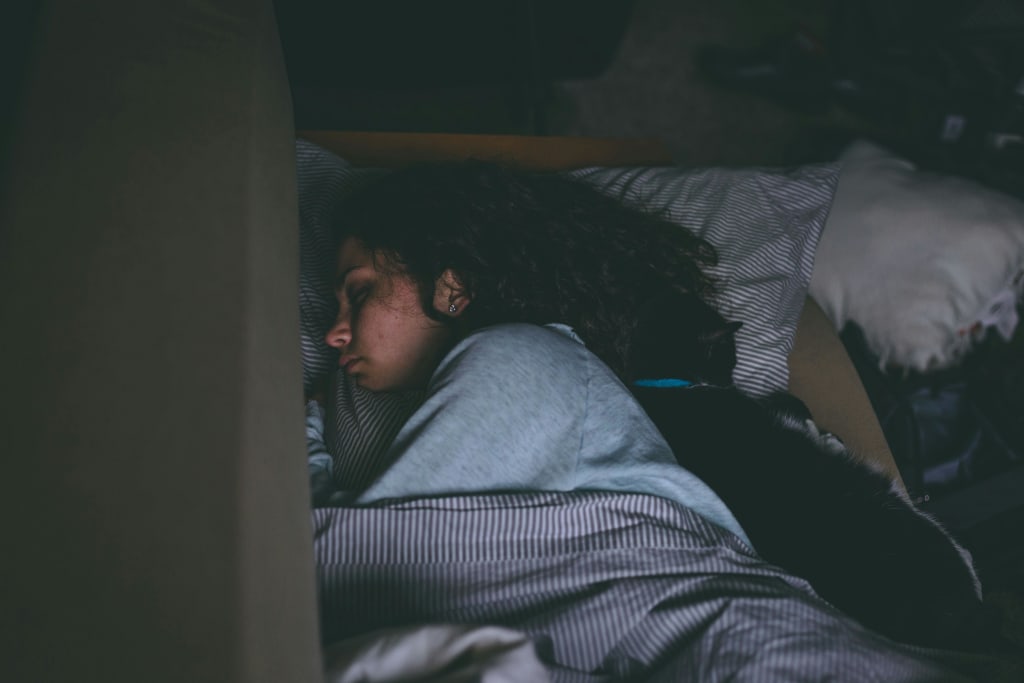
Are you tired of tossing and turning all night, only to wake up feeling groggy and unrefreshed? We've all been there. A good night's sleep is crucial for our physical and mental well-being, yet it often eludes us. Fortunately, you don't have to resort to medication right away. There are many natural ways to improve your sleep quality and unlock the restorative power of a truly restful night. Let's explore some effective strategies together.
Understanding the Importance of Quality Sleep
First, it's important to understand why sleep is so vital. While we sleep, our bodies and minds are hard at work, repairing tissues, consolidating memories, and preparing us for the day ahead. Lack of quality sleep can lead to a host of problems, including decreased focus, irritability, a weakened immune system, and even an increased risk of chronic diseases. Therefore, prioritizing sleep isn't a luxury—it's a necessity.
Creating a Relaxing Bedtime Routine
Secondly, a consistent bedtime routine is key to signaling to your body that it's time to wind down. Start by establishing a regular sleep schedule, going to bed, and waking up around the same time each day, even on weekends. This helps regulate your body's natural sleep-wake cycle, known as your circadian rhythm. Furthermore, incorporate relaxing activities into your routine, such as taking a warm bath, reading a book, or listening to calming music. Avoid screen time close to bed, as the blue light emitted from electronic devices can interfere with melatonin production, a hormone that regulates sleep.
Optimizing Your Sleep Environment
Next, your sleep environment plays a significant role in your ability to fall asleep and stay asleep. Make sure your bedroom is dark, quiet, and cool. Invest in a comfortable mattress and pillows that provide adequate support. Consider using blackout curtains to block out light and earplugs or a white noise machine to minimize noise. Additionally, ensure your bedroom is well-ventilated for optimal air quality. These small changes can make a big difference in your sleep quality.
The Power of Diet and Exercise for Sleep
Moreover, your diet and exercise habits can significantly impact your sleep. Avoid caffeine and alcohol close to bedtime, as they can disrupt sleep. Instead, opt for a light, healthy snack if you're hungry before bed. Regular exercise is also beneficial for sleep, but avoid intense workouts too close to bedtime. Aim for at least 30 minutes of moderate-intensity exercise most days of the week. Remember, consistency is crucial when it comes to reaping the sleep-promoting benefits of exercise.
Mindfulness and Stress Reduction Techniques
In addition, stress and anxiety are common culprits behind poor sleep. Practicing mindfulness techniques, such as deep breathing exercises, meditation, or yoga, can help calm your mind and prepare you for sleep. These practices can reduce stress hormones and promote relaxation. Even just a few minutes of mindful breathing before bed can make a noticeable difference.
Seeking Professional Help When Needed
Finally, while these natural strategies can be incredibly effective, it's important to seek professional help if you're consistently struggling with sleep problems. If you've tried these tips and are still experiencing persistent insomnia or other sleep disorders, talk to your doctor. They can help identify any underlying medical conditions and recommend appropriate treatment options.
Embracing Restful Nights for a Brighter Tomorrow
Ultimately, prioritizing sleep is an investment in your overall health and well-being. By implementing these natural strategies, you can unlock better sleep, improve your sleep quality, and wake up feeling refreshed and ready to take on the day. Remember, consistent effort is key. Start small, be patient with yourself, and celebrate the small victories. You deserve a good night's sleep, and with the right approach, you can achieve it.
FAQs
We've covered a lot about improving sleep quality naturally, but you might still have some questions. Here are some frequently asked questions to help you on your journey to better sleep:
Q: How long does it typically take to see improvements in sleep quality after implementing these changes?
A: It varies from person to person. Some people notice improvements within a few days, while others may take a few weeks. Consistency is key. Stick with your new routine, and be patient with yourself. If you don't see any changes after a few weeks, consult your doctor.
Q: I've heard that naps are bad for sleep. Is this true?
A: Napping can be beneficial for some people, but it depends on the timing and duration. Short naps (20-30 minutes) earlier in the day can improve alertness and performance. However, long naps or naps late in the afternoon can interfere with nighttime sleep.
Q: What are some signs that I might have a sleep disorder?
A: Some common signs include difficulty falling asleep, waking up frequently during the night, waking up too early, feeling excessively tired during the day, snoring loudly, or experiencing pauses in breathing during sleep (sleep apnea). If you're concerned, it's always best to consult with a healthcare professional.
Q: Are there any specific foods that can help me sleep better?
While no single food will magically cure insomnia, some foods contain nutrients that may promote sleep. These include foods rich in tryptophan (like turkey and milk), magnesium (like leafy greens and nuts), and melatonin (like cherries and kiwis). However, it's important to focus on a balanced diet overall.
Q: I've tried everything, and I still can't sleep. What should I do?
A: If you've consistently struggled with sleep despite making lifestyle changes, it's crucial to seek professional help. Your doctor can assess your situation, rule out any underlying medical conditions, and recommend appropriate treatment options, which may include cognitive behavioral therapy for insomnia (CBT-I) or, in some cases, medication.
Q: How important is it to have a completely dark room for sleep?
A: Darkness is essential for melatonin production, which regulates sleep. Even small amounts of light can disrupt sleep. Blackout curtains, eye masks, or dim night lights can help create a sleep-friendly environment.
Q: Is it okay to drink herbal tea before bed?
Certain herbal teas, like chamomile and valerian root tea, are known for their calming properties and may promote relaxation before sleep. However, it's important to choose caffeine-free options and avoid drinking too much liquid before bed to minimize nighttime bathroom trips.
Q: How can I manage stress to improve my sleep?
A: Stress management is crucial for good sleep. Incorporate stress-reducing activities into your daily routine, such as exercise, meditation, yoga, or spending time in nature. Finding healthy coping mechanisms for stress is key to improving sleep quality.




Comments
There are no comments for this story
Be the first to respond and start the conversation.