
Universal Testing Machine: The Key to Accurate Material Testing
How this powerful tool ensures strength, safety, and reliability in engineering and manufacturing.

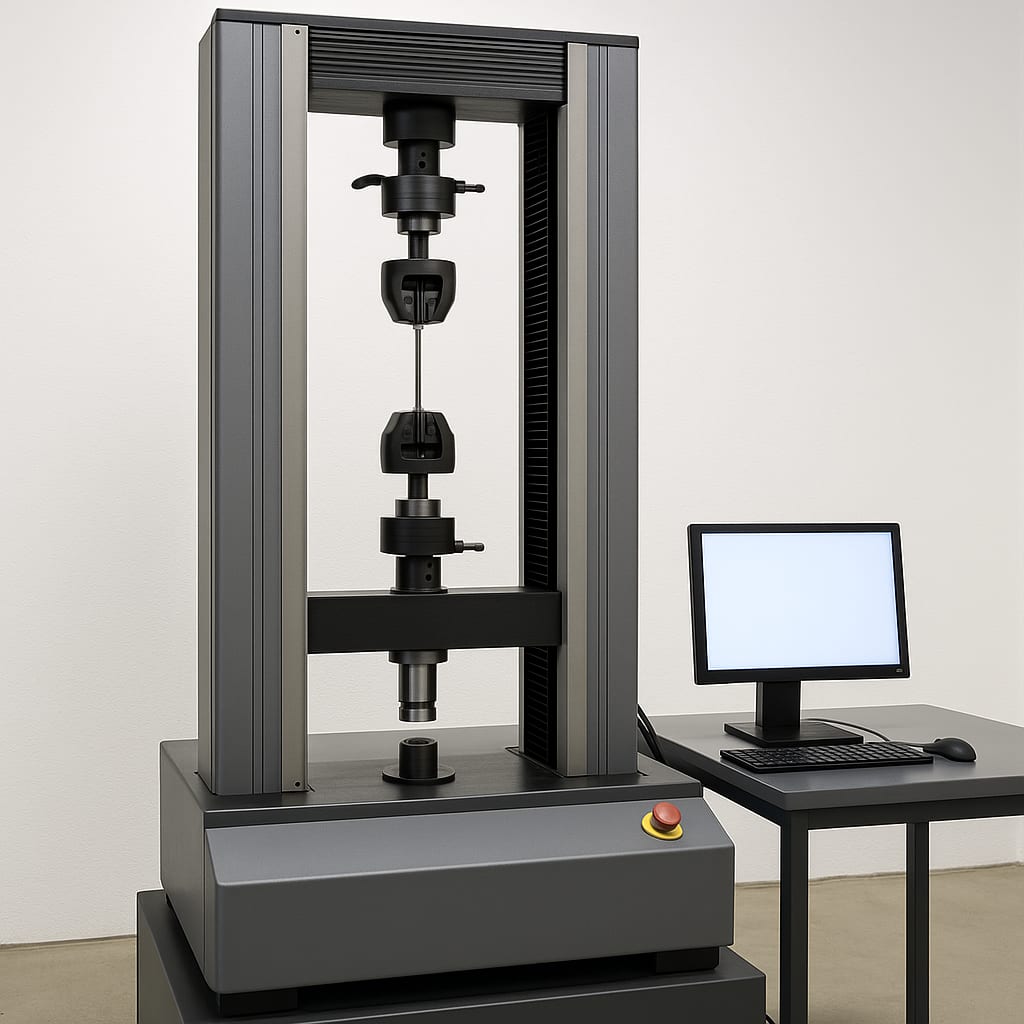
When it comes to building safe bridges, reliable aircraft, or durable everyday products, engineers need more than just design skills. They need accurate data about how materials behave under different types of stress. This is where the universal testing machine steps in. Known for its versatility and precision, the universal testing machine is an essential tool in laboratories and industries worldwide.
What is a Universal Testing Machine?
A universal testing machine (often abbreviated as UTM) is a device that evaluates the mechanical properties of materials. It does this by applying different types of force to a sample and recording how it reacts. By measuring properties such as tensile strength, compressive strength, and elasticity, engineers gain a clear picture of how a material will perform in real-world conditions.
The name “universal” comes from the machine’s ability to conduct a wide range of tests. From metals and plastics to concrete and textiles, the universal testing machine can be adapted to suit nearly any material.
How Does a Universal Testing Machine Work?
The basic design of a universal testing machine includes a load frame, a crosshead, grips or fixtures to hold the specimen, and sensors to measure force and displacement. The test specimen is placed between two fixtures. The machine then applies a controlled force while sensors record how the material reacts.
There are two main types of UTMs:
Electromechanical machines use electric motors to apply force with precision and are often used for materials that require slower testing speeds.
Hydraulic machines use fluid pressure to apply larger forces, making them suitable for testing stronger materials such as metals and concrete.
The results are displayed in the form of stress-strain curves, which provide engineers with valuable insights into the behaviour of the material under different loads.
Applications of Universal Testing Machines
The universal testing machine is a cornerstone of industries that depend on material strength and durability. Some of the most common applications include:
Construction and Civil Engineering: Testing concrete, steel, and timber to ensure safety in buildings, bridges, and other structures.
Automotive Industry: Measuring the strength of car components to meet safety standards and improve performance.
Aerospace: Ensuring materials can withstand extreme pressure, temperature, and vibration during flight.
Manufacturing: Testing textiles, plastics, and packaging to guarantee quality control and product consistency.
Education and Research: Used in universities and labs to teach material science and advance new innovations.
Why the Universal Testing Machine is Essential
The importance of a universal testing machine cannot be overstated. It ensures that the materials used in critical applications are not only fit for purpose but also safe. Without this data, engineers and manufacturers would be left guessing about the strength of their materials, which could result in product failure, financial loss, or even serious accidents.
By offering reliable and repeatable results, the universal testing machine provides confidence. Engineers can design smarter, manufacturers can produce safer products, and consumers can trust that the items they use are built to last.
Advantages of Using a Universal Testing Machine
Versatility: As the name suggests, UTMs can perform a wide variety of tests on different materials.
Accuracy: Equipped with sensitive load cells and advanced electronics, they deliver highly precise measurements.
Efficiency: They allow testing under controlled conditions, speeding up product development.
Data Insight: Results provide clear visualisation through graphs and data sets, helping in design improvements.
Safety: Identifying weaknesses in materials before they are used in critical applications reduces risk.
Limitations to Keep in Mind
Despite their advantages, universal testing machines do have some limitations. They require proper calibration to maintain accuracy, and the initial investment cost can be high for small businesses. Skilled operators are also needed to ensure tests are performed correctly. However, the benefits often outweigh these challenges, particularly in industries where safety and performance are non-negotiable.
The Future of Material Testing
As technology advances, so does the universal testing machine. Modern UTMs now feature digital interfaces, automated controls, and advanced data analysis tools. Some even integrate with software that allows real-time monitoring and remote operation, making testing more efficient than ever before.
With sustainability becoming a growing concern, universal testing machines are also being used to develop new eco-friendly materials. By accurately assessing how these materials perform, engineers can bring greener alternatives to market with confidence.
Final Thoughts
The universal testing machine is more than just a piece of laboratory equipment. It is the backbone of safe design and reliable manufacturing. Whether it is ensuring that a bridge can withstand heavy traffic, a car component can endure a crash test, or a piece of packaging can handle rough handling, the UTM plays a critical role.
In short, this machine empowers engineers and manufacturers to build stronger, safer, and smarter products. Without it, modern industry as we know it would not be possible.
About the Creator
Paul Sera
Owner of Next Gen Digital Agency in Melbourne, Australia.
Entrepreneurship Courses - paulsera.com
Restaurant Near Me - restaurantnearme.com.au
Car Events & merchandise - radiallife.com.au




Comments
There are no comments for this story
Be the first to respond and start the conversation.