
Unexpected benefits of okra that no one should ignore
Ignoring the benefits of okra is a huge waste of an extremely healthy food.

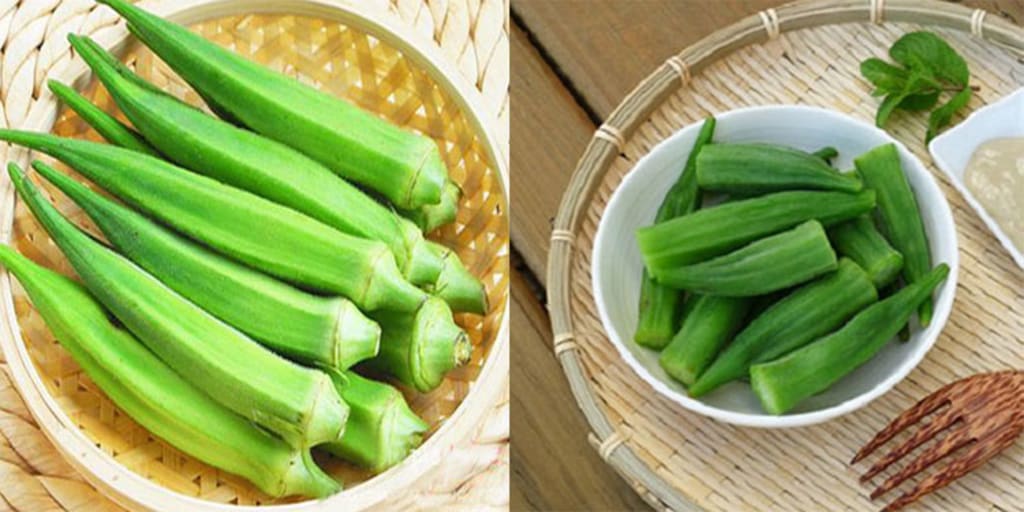
Ignoring the benefits of okra is a huge waste of an extremely healthy food.
Okra is a flowering plant that is widely grown in our country. Okra fruit is used to make many delicious and nutritious dishes. Many people do not like to eat okra because of its slimy nature. However, the slimy substance of this fruit is considered a "miracle drug" for people with diabetes and has an excellent effect on cleaning blood fat.
Okra is quite affordable. At the market, it only costs around 30,000-35,000 VND/kg.
A study published in the journal Physiology and Molecular Biology of Plants in 2015 said okra is known as “green ginseng” in Korean.
According to General Practitioner Bui Dac Sang (Vietnam Academy of Science and Technology, Hanoi Eastern Association), okra is also known as squash, okra, okra... scientific name Abelmoschus esculentus Moench (L.) , belonging to the Malvaceae family.
Herbaceous plant, growing up to 2.5m tall, hairy. Leaves are heart-shaped or palmate, with large, rough, toothed edges and long hairs. Flowers grow in leaf axils, red in color and look like cotton flowers. Capsules are long or erect, about 3.5cm long, bright green, and have a diamond-shaped cross section.
Okra is a plant originating from India, grown in many places in our country, especially in the southern provinces to get green fruit to eat like other beans.
Why is okra considered "green ginseng"?
Okra is a fruit that contains an impressive amount of nutrients. According to the Food Data Center, United States Department of Agriculture, 100 grams of fresh okra contains:
Nutritional composition of okra
Okra is a rich source of vitamins C and K1 . Vitamin C is a water-soluble vitamin that helps boost overall immune function. Meanwhile, vitamin K1 is fat-soluble and plays an important role in the synthesis of blood clotting factors.
In addition, okra is very low in calories and carbs but high in fiber and protein. Adequate protein intake is beneficial for weight control, blood sugar control, bone health and muscle building. There are very few vegetables and fruits that contain protein. This is why okra is a unique fruit.
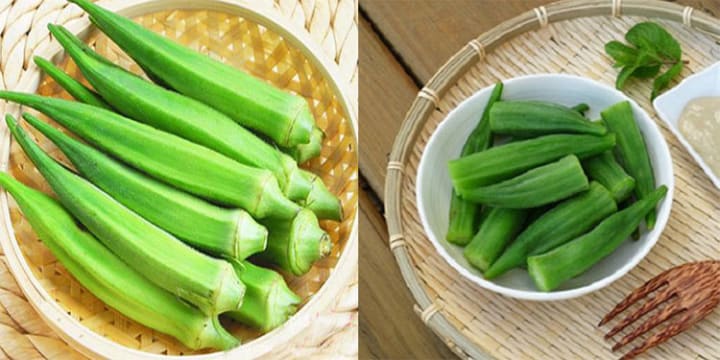
Okra contains a lot of protein, glucid, carbohydrates (starch, sugar, palmitin and stearin).
Okra pods can be stir-fried like other beans or grilled and eaten raw like cucumbers. Young pods can also be dried for later use and are a delicious dish. Young leaves can also be boiled, stir-fried, and cooked.
Okra contains a lot of protein, glucid, carbohydrates (starch, sugar, palmitin and stearin). The seeds contain a yellow-green liquid oil, have a pleasant smell, are laxative, and can be eaten.
According to Oriental medicine, okra has a sour, mild, cool taste that has the effect of reducing pain and soothing diseases such as gonorrhea, urinary retention, leucorrhea, constipation. Okra is used to treat gonorrhea, urinary retention, leucorrhea, constipation with a dosage of 12-16g/day (roots, dried leaves).
"All parts of the plant can be used as pain relievers and soothing agents in diseases such as gonorrhea, urinary retention, and leucorrhea. The roots and leaves can be sliced, dried, and used as medicine to treat coughs and sore throats.
Ripe seeds can be ground and used as a coffee substitute or as a paper paste. The oil in the seeds is used as a laxative.
Dried okra root 12-16g. Boil, hold in mouth and drink to help cure cough and sore throat. Fresh and dried okra fruit boiled and drunk during the day is good for diabetic patients," said physician Bui Dac Sang.
Okra is a food that contains a variety of vitamins and minerals such as fiber, vitamin C, vitamin A, vitamin B1, B3, B6, calcium, vitamin K, magnesium, folate, manganese... Therefore, simply adding okra to your regular menu will bring many health benefits as follows:
Prevent constipation
The extremely abundant amount of fiber in okra helps prevent and support the treatment of constipation very effectively. This fiber component has the effect of promoting the digestive process to take place more smoothly. In addition, the mucus in okra also helps stimulate intestinal motility, soften stools, and is a laxative, so it is also very good for people at high risk of constipation.
Skin care

Okra is high in fiber, so it will help you feel full quickly and stay full longer.
The vitamin C and K content in okra helps protect the skin to be brighter and more youthful. Eating a lot of okra will help promote the formation of collagen while restoring damaged skin areas, giving you smoother, younger and healthier skin.
Weight loss support
Okra is high in fiber, so it will help you feel full quickly and stay full for a long time. From there, you will limit eating other foods, especially snacking less, so it effectively supports weight loss. In particular, okra contains very few calories, so even if you eat a lot, you don't have to worry about gaining weight.
Therefore, adding okra to your regular menu while limiting other fatty foods is also a way to help you lose weight as desired.
Digestive support
The mucus and fiber in okra, when entering the digestive system, will become an extremely ideal environment for beneficial microorganisms in the intestines to grow more. The ability to support digestion of okra can be compared to yogurt. Therefore, eating okra regularly is also a way to help the digestive system healthy, prevent digestive disorders as well as limit intestinal irritation...

Eating okra regularly is also a way to help keep the digestive system healthy.
Good for bones and joints
Thanks to containing calcium, vitamin K and folic acid, okra will help improve metabolism in joints, thereby strengthening bones and reducing bone loss or severe osteoporosis.
In addition, the mucus in okra also helps to add lubrication to the joints, helping them to move flexibly and effectively reduce joint pain.
Prevent cardiovascular disease
The mucus in okra has the effect of reducing bad cholesterol in the blood, so it is very good for people with high blood pressure. Thanks to its ability to stabilize blood pressure, okra is also effective in preventing and limiting dangerous complications of cardiovascular disease. Therefore, eating okra regularly is also an extremely effective way to improve cardiovascular health.

The mucilage in okra helps reduce bad cholesterol levels in the blood.
Stabilize blood sugar levels
The high fiber content in okra slows down the absorption of sugar in the blood, thereby helping to stabilize blood sugar effectively. Therefore, although it is not a cure for diabetes, eating okra regularly is also highly effective in preventing diabetes and limiting dangerous complications caused by diabetes.
How is okra used?

Fried okra.
Okra can be prepared in a variety of ways, such as boiling, roasting, steaming, frying, etc. You can also add okra to soups or stews. The mucilage of okra is also used to thicken soups and stews. In the Middle East, such stews are popular.
Okra seeds can be pressed for oil. This oil is very good for health and has a delicious taste.
Okra leaves can also be used to make salads, vegetables or porridge.
About the Creator
HK Decor
Telling stories my heart needs to tell <3 life is a journey, not a competition
If you like what you read, feel free to leave a tip,I would love some feedback
https://s.shopee.vn/7fFUMxnnBx?share_channel_code=8
Crucial Health and Safety Practices Every Employer Must Enforce
Creating a safe workplace isn't just about meeting legal obligations—it’s about building a sustainable, ethical, and high-performing business. When companies prioritize employee well-being, they reduce the risk of injuries, legal consequences, and operational disruptions. OSHA and other regulatory bodies have laid down clear guidelines to help employers maintain secure environments. These rules are designed to prevent accidents and illnesses, but their real value lies in protecting the people who keep businesses running.
By Dr. Todd Younga day ago in Lifehack




Comments (2)
Thanks for sharing
I really love your content and how it's crafted , I love it and happily subscribed , you can check out my content and subscribe to me also , thanks for this beautiful one