
Understanding the Pros and Cons of Drop Shipping
Know the advantage and disadvantages of Drop Shipping
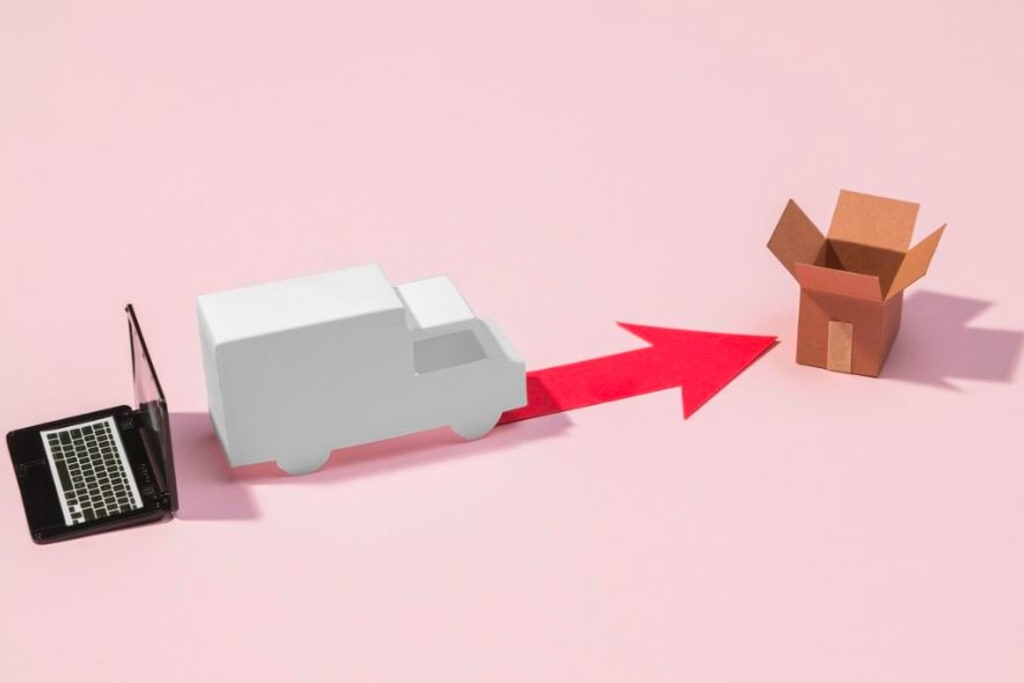
Drop shipping is a famous business model that allows entrepreneurs to run an online store without holding any inventory or money to show. Instead, when a customer places an order, the retailer purchases the item from a third party and has it shipped directly to the customer. This became very famous and has gain a lot of attention for its simplicity and low startup costs, but like other business model, it has its advantages and disadvantages.
For a guide, Here’s the pros and cons of drop shipping.
Pros of Drop Shipping
1. Low Startup Costs
Drop shipping has a very low cost, which is one of its most important advantages. You don’t need to invest heavily in inventory, warehouse space, or other upfront costs. Thus, new entrepreneurs can find it a good platform to start their online businesses without a lot of funds.
2. Easy to Start
Starting a drop shipping business isn’t complicated. All you have to do is set up your store using Shopify or WooCommerce together with drop shipping website as well and it will go live within no time. The apps and websites provide easy access to suppliers, as well as order management systems and payment processors.
3. Wide Range of Products
Since you don’t have to purchase inventory software or upfront, your store can present a diverse range of items. This enables various product tests and niche experiments without worrying about unsold stock being left behind laboriously. In case any merchandise fails to perform in the market, it can be smoothly substituted without substantial losses incurred.
4. Scalability
Running an online shop in a drop shipping process is a very easy task. Because of your increasing sales, there is no need to think about the additional packing and shipping work. In this case, your suppliers do not just supply you with goods but also take care of the packaging and delivery leaving you with more time to market them or engage customers.
5. Location Independence
Because of the low initial investment required to start a drop shipping business, almost everyone can afford it. It is very easy to set up a drop shipping store online, even without technical know-how. You do not need to worry about holding any stock since everything is done through the supplier. Thus, you can simply choose a location where you feel comfortable working at company profits are unlikely to fluctuate too greatly due to your regional location and time on earth. Now that sounds good, right?
Cons of Drop Shipping
1. Lower Profit Margins
Low profit margins are among the largest drawbacks of drop shipping. The reason for this is that when you don't buy in bulk, the cost for each item is higher than if you were to buy inventory up front. This means it can be hard to price your products competitively and still earn a profit.
2. Inventory Issues
Since you rely on suppliers to fulfill orders, you have less control over inventory levels. If a supplier runs out of stock, it can lead to delays and disappointed customers. Keeping track of inventory and ensuring product availability can be a constant challenge.
3. Shipping Complexities
Dealing with multiple suppliers can make the shipping process because it involves different shipping times and prices, leading to unsatisfactory customer experiences. Thus, managing orders and handling shipping costs may become more complex than when everything is done in-house.
4. Quality Control
As you do not handling the items directly, there is a limited amount of control you exert on their quality and packaging. Consequently, if some of your items are not in good condition or poorly presented as per the packaging, this will lead to dissatisfaction amongst several of your clients who may be forced to return them. For that reason, it is crucially important to always conduct thorough checks before installing suppliers for instance by sending them an email solvation service so that you can have a chat with them about their products and how they do things.
5. Customer Service Challenges
When something goes wrong with an order, such as a delayed shipment or a damaged product, you’re the one who has to handle customer service. As you’re not directly accountable for order fulfillment, it makes it more difficult and tedious to solve these problems.
Tips for Successful Drop Shipping
To maximize the benefits and minimize the drawbacks of drop shipping, consider the following tips:
Choose Reliable Suppliers: Be thorough with your research in looking for reliable suppliers having good history. Peruse through comments and reviews and if feasible ask for sample samples to assess product reliability.
Focus on Niche Markets: It is smarter not to attempt selling everything; actually, focus on one specific niche. In doing so, you will be able to concentrate your advertisement towards that direction thus creating your own group of dedicated buying clients.
Optimize Your Website: To turn potential customers into actual ones, it is important to have a properly designed and user-friendly website. Always carry out optimization of your site for mobile devices, make it load fast and use precise yet persuasive product descriptions that can be understood by a layman.
Provide Excellent Customer Service: Actively interact with clients and help them solve their problems. If you want to develop a favorable image for your business as well as retain your current clients, then excellent customer service is required.
Monitor Inventory Levels: To ensure that there are sufficient stocks available at all times and no inadequacies always use apparatus or programs for monitoring stocks. Maintaining ongoing communication with vendors will keep them informed about inventory availability.
Conclusion
Aspiring entrepreneurs can take advantage of drop shipping as a great chance to launch an online store with little initial investment. Nevertheless, it is important to grasp the benefits and drawbacks of drop shipping in order to be able to make shrewd choices as well as have attainable dreams. A successful drop shipping company that flourishes in e-commerce’s competitive environment can be built by choosing suppliers wisely, concentrating on specific industries and delivering exceptional client service.
About the Creator
Keep reading
More stories from writers in Lifehack and other communities.
Top 9 AI-Enabled Wearable App Development Companies in the US
In today’s digital age, wearable technology has reshaped how users interact with digital experiences on the go. From fitness trackers and smartwatches to AR glasses and healthcare monitors, wearable devices depend on robust, intuitive apps to deliver real-time insights and seamless connectivity. Choosing the right development partner ensures your wearable application not only meets technical requirements but also excels in user experience, reliability, and future scalability. Below is a curated list of the top 10 wearable app development companies in the United States that are leading innovation in this niche space.
By Steve Waugha day ago in Lifehack
Did the Groundhog See His Shadow? Understanding Groundhog Day and What It Really Means
Every year on February 2, millions of people across the United States and beyond ask the same curious question: Did the groundhog see his shadow? The question may sound simple, even playful, but it is tied to a tradition that has lasted for well over a century. Groundhog Day has become a unique blend of folklore, seasonal hope, and cultural ritual—one that continues to capture public attention despite its lighthearted nature.
By ORM_Specialist3 days ago in Lifehack




Comments
There are no comments for this story
Be the first to respond and start the conversation.