
Understanding Procrastination
Inside the Mind of a Master Procrastinator

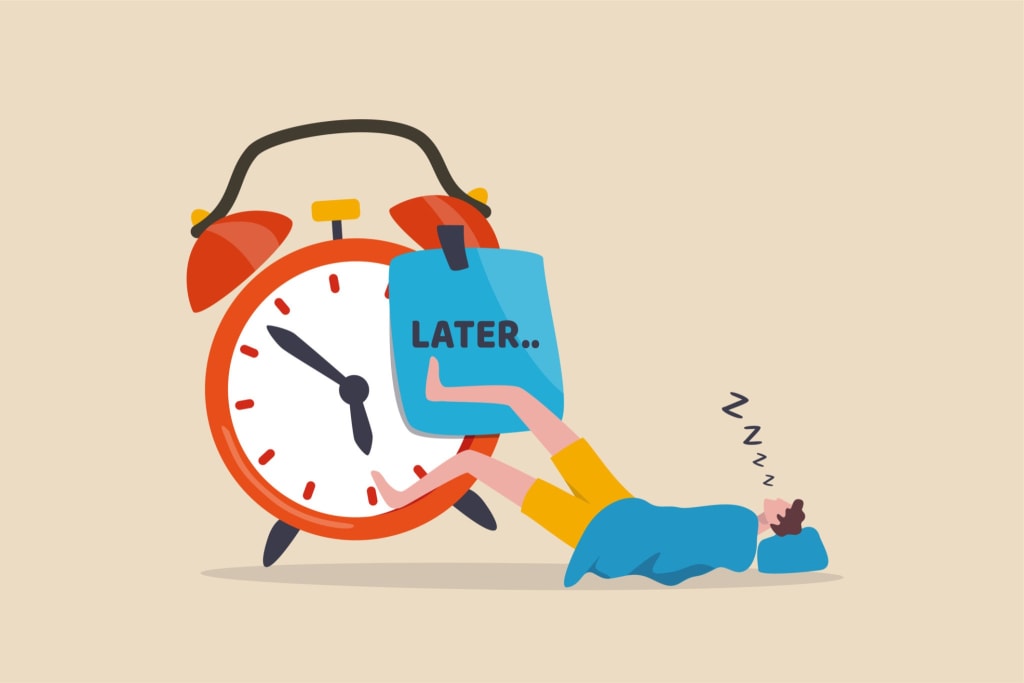
Procrastination is a pervasive issue that affects countless individuals, regardless of their profession or lifestyle. In his thought-provoking TED Talk, Tim Urban delves into the intricacies of procrastination, offering a humorous yet profound analysis of what drives this behavior. By exploring the inner workings of a procrastinator’s mind, Urban sheds light on the psychological mechanisms that influence our tendencies to delay tasks and how we might address them.
The Anatomy of Procrastination
Urban begins his exploration by comparing the brains of procrastinators with those of non-procrastinators. He humorously presents MRI scans to highlight the difference, though the real distinction lies in the internal dynamics rather than visible structures. The key players in this mental drama are the Rational Decision-Maker, the Instant Gratification Monkey, and the Panic Monster.
The Rational Decision-Maker is the part of our brain responsible for logical thinking, long-term planning, and making decisions that align with our future goals. This component thrives on structure and foresight, guiding us to focus on tasks that contribute to our overall success.
In contrast, procrastinators have an additional mental character: the Instant Gratification Monkey. This whimsical figure is driven by immediate pleasure and ease, often leading us astray from productive activities. Instead of working on important tasks, the Monkey prefers engaging in distractions such as binge-watching videos, scrolling through social media, or diving into seemingly trivial activities.
The Dark Playground
Urban describes the resulting scenario as the "Dark Playground," a space where procrastinators find themselves engaging in leisure activities at times when they should be focusing on more important tasks. In the Dark Playground, fun is tainted by a sense of guilt and anxiety, as procrastinators are acutely aware that they are avoiding their responsibilities. This awareness creates a paradox where the pursuit of pleasure becomes a source of stress rather than enjoyment.
The Instant Gratification Monkey’s dominance often leads to a cycle of avoidance and self-reproach. Procrastinators might start their day with the intention of being productive, only to find themselves sidetracked by distractions. This cycle continues until deadlines approach or other external pressures mount.
The Panic Monster
To counterbalance the immediate pleasures pursued by the Instant Gratification Monkey, procrastinators rely on another mental entity: the Panic Monster. This character is activated when deadlines loom or when there is a risk of significant consequences, such as public embarrassment or career failure. The Panic Monster is crucial because it instills a sense of urgency that can spur procrastinators into action.
Urban recounts his own experience with procrastination during his college years, highlighting a dramatic instance where he faced a looming deadline for his 90-page senior thesis. Despite his best intentions to follow a structured plan, he found himself in a familiar pattern of avoidance until the Panic Monster woke up. With only a few days left, Urban crammed the entire thesis into a frantic writing session, a situation many procrastinators will find all too relatable.
The Challenges of Long-Term Procrastination
While the Panic Monster can address short-term procrastination, it is less effective for tasks that lack clear deadlines. Urban points out that long-term procrastination poses a more significant challenge. This form of procrastination affects areas of life that do not have immediate consequences, such as personal development, health, relationships, and career aspirations.
For example, without external deadlines, individuals may procrastinate on important but non-urgent tasks like exercising, maintaining relationships, or pursuing personal goals. The absence of a looming deadline means there is no Panic Monster to drive action, leading to prolonged avoidance and potential long-term dissatisfaction.
Urban illustrates this point with a powerful visual: the "Life Calendar." This calendar represents a 90-year lifespan, with each box symbolizing a week. The limited number of boxes serves as a stark reminder of the finite nature of our time. By confronting this reality, Urban urges us to acknowledge the impact of procrastination on our lives and to take proactive steps to address it.
Overcoming Procrastination
Urban’s talk highlights the need for all of us to confront our procrastination habits and develop strategies to manage them effectively. While the Instant Gratification Monkey and the Panic Monster are inherent parts of our mental landscape, recognizing their influence is the first step toward achieving better control over our actions.
One approach is to break down tasks into smaller, manageable steps. By creating clear, achievable milestones, individuals can bypass the overwhelming nature of large projects and reduce the influence of the Instant Gratification Monkey. Additionally, setting personal deadlines and incorporating accountability measures can help mitigate the risk of procrastination.
Urban also emphasizes the importance of self-awareness and reflection. Understanding our procrastination patterns and identifying triggers can empower us to make more deliberate choices and foster a more productive mindset.
Closing
Tim Urban’s exploration into procrastination offers a blend of humor and insight, illuminating the internal struggles that drive this common behavior. By dissecting the roles of the Rational Decision-Maker, the Instant Gratification Monkey, and the Panic Monster, Urban provides a framework for understanding procrastination and its effects on our lives.
The key takeaway from Urban’s talk is that procrastination is not merely a matter of poor time management but a complex interplay of psychological factors. By acknowledging and addressing these factors, we can better navigate our procrastination tendencies and work towards a more fulfilling and productive life.
About the Creator
Horace Wasland
Research analyst, writer & mystical healer. Exploring the edge where science meets mystery. From mystery/the mystical, to facts, news & psychology. Follow for weekly insights on all four and please leave a tip if you like what you read :)
Keep reading
More stories from Horace Wasland and writers in Lifehack and other communities.
Embracing Solitude
In a world increasingly oriented towards extroverted ideals, introverts often find themselves at a disadvantage. The prevailing social norms favor the gregarious and outgoing, often overshadowing the strengths of those who thrive in solitude. Susan Cain’s compelling TED Talk, “The Power of Introverts,” provides a profound exploration of how introverts harness the power of solitude to achieve remarkable creativity, leadership, and personal fulfillment.
By Horace Waslandabout a year ago in Lifehack
Crucial Health and Safety Practices Every Employer Must Enforce
Creating a safe workplace isn't just about meeting legal obligations—it’s about building a sustainable, ethical, and high-performing business. When companies prioritize employee well-being, they reduce the risk of injuries, legal consequences, and operational disruptions. OSHA and other regulatory bodies have laid down clear guidelines to help employers maintain secure environments. These rules are designed to prevent accidents and illnesses, but their real value lies in protecting the people who keep businesses running.
By Dr. Todd Young5 days ago in Lifehack
The Truth in My Lab Report: How I Slashed My Triglycerides and Changed My Cholesterol for Good
My Lipid Wake-Up Call: How Untangling Triglycerides vs. Cholesterol Changed My Health (And Probably Saved Me) Let’s be real. For years, the words from my doctor’s office just washed over me. A mumbled monologue about “lipid panels,” “numbers,” and “cardiovascular risk.” I’d nod, see a few flagged results on my printout—usually something about triglycerides and LDL—feel a pinch of worry, and then… life would happen. I’d grab a quick sandwich, skip the gym because I was tired, and tell myself I’d deal with it later. The confusion itself was a comfort zone. If I didn’t truly understand it, I couldn’t be fully responsible for fixing it, right?
By John Arthor4 days ago in Lifehack




Comments (2)
Nice article
A comprehensive one.