

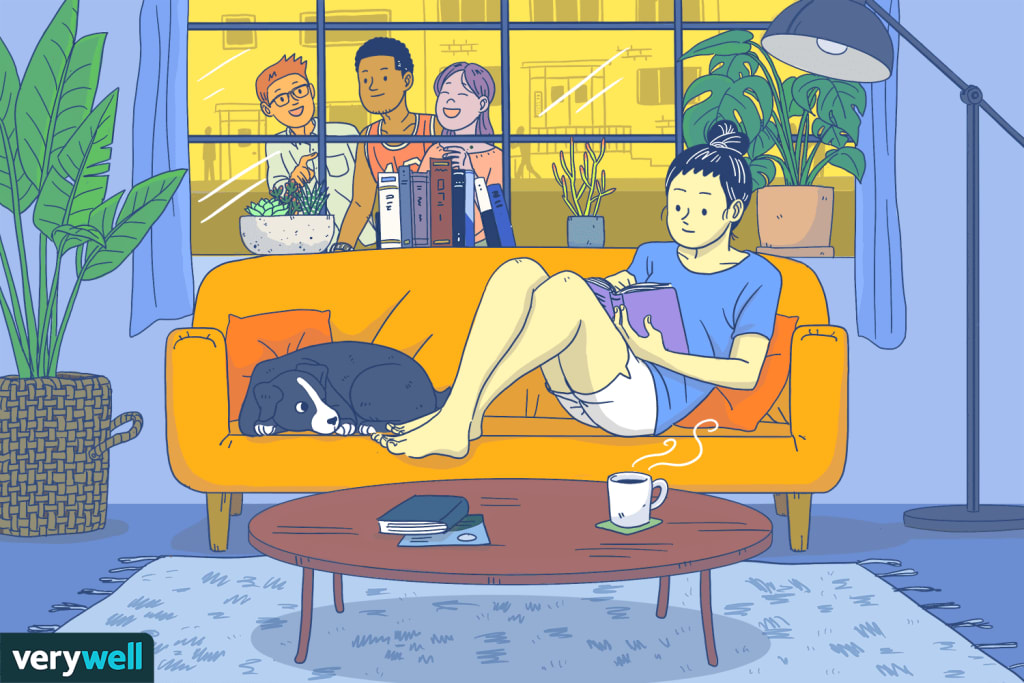
In a world increasingly oriented towards extroverted ideals, introverts often find themselves at a disadvantage. The prevailing social norms favor the gregarious and outgoing, often overshadowing the strengths of those who thrive in solitude. Susan Cain’s compelling TED Talk, “The Power of Introverts,” provides a profound exploration of how introverts harness the power of solitude to achieve remarkable creativity, leadership, and personal fulfillment.
The Introvert’s Dilemma: A Personal Anecdote
Susan Cain’s anecdote from her childhood summer camp vividly illustrates the challenges faced by introverts in a world that prioritizes extroverted behaviors. At nine years old, Cain envisioned summer camp as a haven for quiet reading and introspective activities. Instead, she encountered a camp culture that demanded constant noise, cheerfulness, and group participation—a stark contrast to her idea of a cozy, book-filled retreat. This experience highlighted a broader societal bias: introverts often feel pressured to conform to extroverted ideals, sacrificing their natural inclinations in the process.
For Cain, and many like her, the struggle between personal inclinations and societal expectations is a recurring theme. Introverts are typically characterized by their preference for solitary or low-stimulation environments, where they recharge and reflect. This trait is not a deficiency but a strength that allows for deep concentration and innovative thinking. However, society’s preference for extroverted behaviors often marginalizes these strengths, undervaluing the unique contributions of introverts.
The Bias Against Solitude
Our educational and professional institutions often reflect a bias towards extroverted qualities. Modern classrooms are designed to facilitate group work and collaborative projects, reinforcing the idea that constant interaction is essential for success. Yet, research shows that introverts often excel academically and demonstrate superior knowledge retention when given the opportunity to work independently. For instance, studies reveal that introverted students tend to perform better in academic settings when they can focus on their own work rather than being constantly engaged in group assignments.
Similarly, workplaces frequently cater to extroverted preferences through open-plan offices and frequent social interactions. This environment can be challenging for introverts, who may find the constant stimulation overwhelming and counterproductive. Introverts often perform best in quieter, more controlled settings where they can concentrate deeply without the distractions of an open office layout. The preference for extroverted environments can lead to a significant loss of productivity and innovation, as the unique strengths of introverts are not fully utilized.
Cain also addresses the issue of leadership, noting that introverts are often overlooked for leadership roles despite their potential effectiveness. Introverted leaders tend to be more reflective and considerate, listening to and empowering their team members rather than dominating conversations. This approach can foster a more inclusive and innovative team environment. Research by Adam Grant at the Wharton School has found that introverted leaders can often achieve better outcomes than their extroverted counterparts, particularly when managing proactive employees who benefit from the freedom to pursue their own ideas.
Solitude and Creativity: The Crucible of Innovation
One of the most compelling arguments for embracing introversion is its strong link to creativity. Solitude provides the mental space necessary for deep thought and innovative problem-solving. Historical figures such as Charles Darwin and Dr. Seuss are prime examples of individuals who achieved great things through periods of solitary reflection. Darwin’s groundbreaking work on evolution was developed during long, solitary walks in the woods, while Dr. Seuss created his beloved characters and stories in a quiet bell tower office, away from the distractions of social interaction.
The link between solitude and creativity is not merely anecdotal; it is supported by psychological research. Studies have shown that solitary reflection allows individuals to delve deeply into their thoughts, leading to more original and insightful ideas. Solitude provides a crucial opportunity for introverts to engage in the kind of focused, uninterrupted thinking that can lead to significant creative breakthroughs.
Rethinking Educational and Workplace Norms
Cain advocates for a cultural shift that recognizes and values the strengths of introverts. This shift involves rethinking how educational and professional environments are structured to better accommodate both introverted and extroverted individuals. In educational settings, this means balancing group activities with opportunities for independent work. Students should be encouraged to develop their individual talents and engage in deep, solitary thinking as well as collaborative projects. This approach not only benefits introverted students but also provides extroverted students with the chance to develop their independent thinking skills.
In workplaces, creating environments that support both solitary and collaborative work can enhance productivity and innovation. While casual, chatty interactions can be beneficial, providing quiet spaces where employees can focus and think deeply is equally important. Recognizing the diverse work styles of employees and accommodating different needs can lead to a more effective and inclusive work environment.
Calls to Action for Embracing Introversion
1. Rethink Group Work: Educational and professional settings should incorporate a balance of group and solitary work. Encouraging independent projects and providing quiet spaces can help introverts thrive while also fostering deep thought and creativity in extroverts.
2. Embrace Solitude: Individuals should recognize the value of solitude and make time for personal reflection and creative pursuits. Unplugging from constant social interaction can provide the mental space needed for innovative thinking and personal growth.
3. Value Introversion: Society should acknowledge and celebrate the unique strengths of introverts. By valuing the contributions of introverts and creating environments that support their needs, we can harness their potential and benefit from their unique perspectives.
Closing
Susan Cain’s insights into the power of introverts challenge us to rethink our cultural biases and embrace the strengths of those who thrive in solitude. By creating environments that support both introverted and extroverted qualities, we can foster greater creativity, productivity, and personal fulfillment. Introverts have much to offer, and their unique traits—whether they involve a suitcase full of books or something else entirely—should be recognized and valued. Embracing solitude and respecting individual differences can lead to a more inclusive and innovative society, where everyone has the opportunity to contribute their best.
About the Creator
Horace Wasland
Research analyst, writer & mystical healer. Exploring the edge where science meets mystery. From mystery/the mystical, to facts, news & psychology. Follow for weekly insights on all four and please leave a tip if you like what you read :)
Keep reading
More stories from Horace Wasland and writers in Lifehack and other communities.
What Makes a Good Life?
In a world where success is often measured by wealth and fame, the pursuit of these goals frequently overshadows other aspects of life. Recent surveys reveal that more than 80% of millennials prioritize becoming rich, while half aspire to achieve fame. This focus on material and public success is reinforced by societal messages that emphasize relentless work and achievement as the path to a good life. However, a groundbreaking 75-year study provides a compelling counter-narrative, offering insights into what truly contributes to a fulfilling and healthy life.
By Horace Waslandabout a year ago in Lifehack
What Are the Common Problems with Off-Grid Solar?
The self-reliant off-grid solar systems provide a self-sufficient living and freedom of utility services. Yet they are not the ones without challenges. High initial prices, battery capacity, and control of power consumption are the major problems of most individuals. Beliefs: before you invest, it is better to understand these issues and make some money as well as avoid frustrations.
By Lyra Winslow7 days ago in Lifehack




Comments (1)
Excellent piece