
Understanding and Managing Arthritis
Symptoms, Causes, Treatment, and Resources
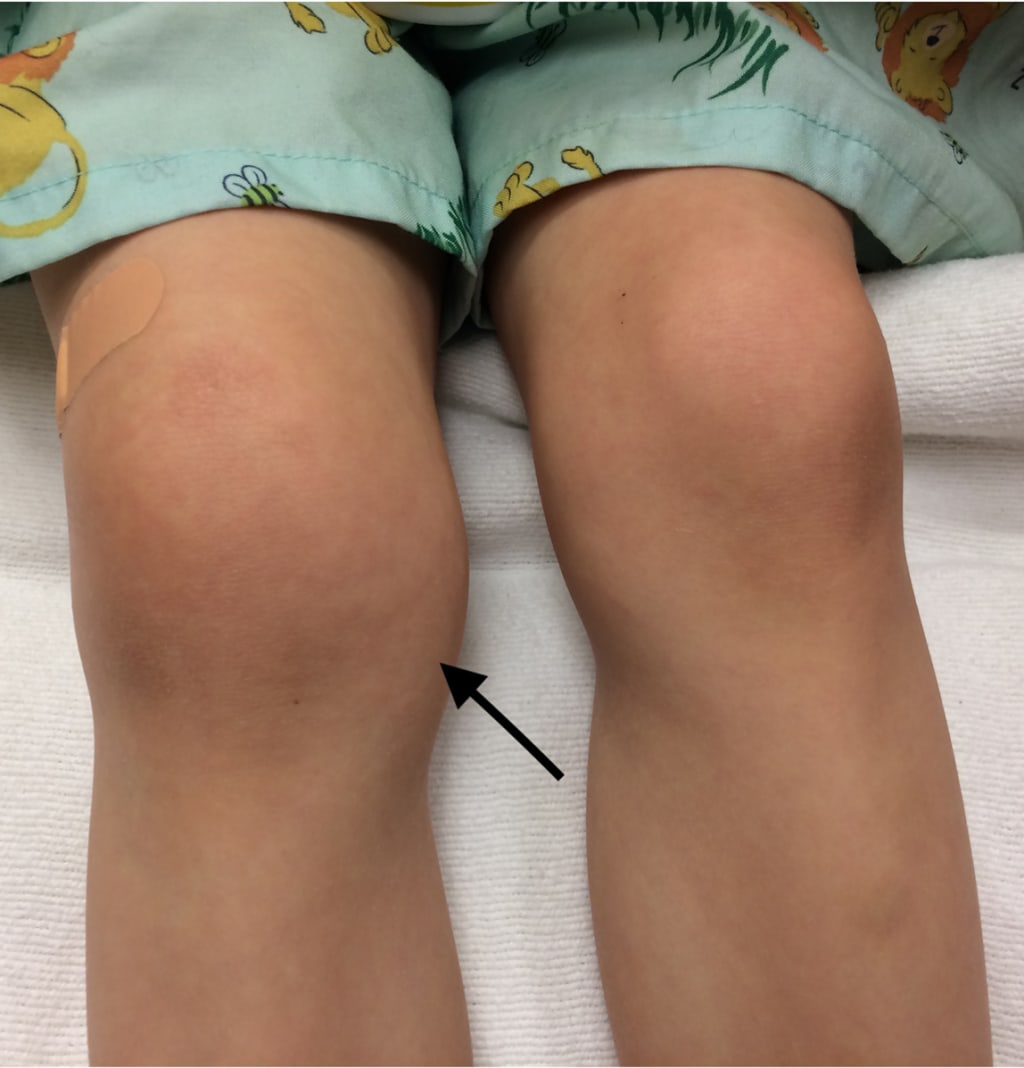
Arthritis is a common condition that affects the joints, causing pain, stiffness, and limited movement. There are several types of arthritis, including osteoarthritis and rheumatoid arthritis. The symptoms of arthritis can vary depending on the type and severity of the condition, but common symptoms include joint pain, stiffness, and limited movement.
Definition of arthritis
Arthritis is a general term used to describe inflammation of the joints. It is a condition that affects millions of people worldwide and is characterized by pain, stiffness, and limited movement in the affected joints.
Types of arthritis
There are over 100 different types of arthritis, but the most common types include:
Osteoarthritis: This is the most common form of arthritis and is caused by wear and tear on the joints. It typically affects older adults and is characterized by the gradual loss of cartilage in the joints. This leads to pain, stiffness, and limited movement.
Rheumatoid arthritis: This autoimmune disorder causes inflammation in the joints. This leads to pain, stiffness, and swelling, and can also cause damage to other parts of the body such as the lungs, heart, and blood vessels.
Gout: This is a type of arthritis caused by a buildup of uric acid crystals in the joints. It typically affects the big toe but can also affect other joints such as the knees and ankles. Symptoms include severe pain, redness, and swelling in the affected joint.
Lupus: This is a chronic autoimmune disorder that can affect various parts of the body, including the joints. It can cause inflammation, pain, and stiffness in the joints as well as other organs.
Psoriatic arthritis: This type of arthritis affects people with psoriasis, which is a skin condition characterized by scaly, red patches. It can cause inflammation and pain in the joints, as well as the skin.
Ankylosing spondylitis: This type of arthritis primarily affects the spine and sacroiliac joints. It causes inflammation and stiffness in these areas, leading to chronic pain and limited mobility.
Juvenile idiopathic arthritis: This is a type of arthritis that occurs in children and young adults. It causes inflammation in the joints and can lead to joint damage, growth problems, and eye inflammation.
These are just a few examples of the many different types of arthritis. Each type has its specific causes, symptoms, and treatment options. It is important to consult with a doctor to determine the type and appropriate treatment.
Symptoms of arthritis
The symptoms of arthritis can vary depending on the type and severity of the condition. Some common symptoms include:
Joint pain is the most common symptom of arthritis and can range from mild to severe. The pain is usually worse with movement and can improve with rest.
Stiffness: Joints affected by arthritis may feel stiff, especially in the morning or after sitting for a long period.
Limited movement: Joints affected by arthritis may be difficult to move or may not move as easily as they used to.
Swelling: Joints affected by arthritis may be swollen, red, and warm to the touch.
Fatigue: People with arthritis may feel tired or have a lack of energy due to the inflammation in their joints.
Weakness: People with arthritis may experience weakness in the muscles surrounding the affected joints.
Tenderness: The joints affected by arthritis may be tender to the touch.
Deformity: In some cases, arthritis can cause the joints to become deformed over time.
Not all types of arthritis will present with all symptoms, and some types may have different symptoms or presentations. For example, psoriatic arthritis may have skin symptoms like psoriasis, and Ankylosing spondylitis can have symptoms like lower back pain, stiffness, fatigue, and even eye irritation.
It is important to consult with a doctor if you suspect you may have arthritis, as early diagnosis and treatment can help slow the progression of the disease and improve your quality of life.
Causes of Arthritis
Genetics
Genetics can play a role in the development of certain types of arthritis. Some types of arthritis, such as rheumatoid arthritis, have a strong genetic component. People who have a family history of rheumatoid arthritis are at a higher risk of developing the condition. Studies have identified certain genetic markers that are associated with an increased risk of developing rheumatoid arthritis.
Similarly, some forms of osteoarthritis are also thought to have a genetic component, with certain genetic variations increasing the risk of developing the condition.
Other types of arthritis, such as gout and lupus, have also been found to have a genetic component. Studies have identified certain genetic variations that are associated with an increased risk of developing these conditions.
It's important to note that genetics is not the only factor that contributes to the development of arthritis. Environmental factors, such as injury and infection, as well as lifestyle factors, such as obesity, can also play a role.
It's important to speak with your doctor if you have a family history of arthritis or if you're experiencing symptoms of the condition, as early diagnosis and treatment can help slow the progression of the disease and improve your quality of life.
Obesity
Obesity is a risk factor for developing arthritis, particularly osteoarthritis. When the body carries extra weight, it places added stress on the joints, particularly the hips, knees, and spine. This added stress can lead to the wear and tear of the cartilage that cushions the joints, increasing the risk of developing osteoarthritis.
Obesity has also been linked to an increased risk of developing rheumatoid arthritis. Studies have shown that obese individuals are more likely to develop rheumatoid arthritis than those of a healthy weight.
Trauma or injury
Injuries that may increase the risk of developing osteoarthritis include:
Fractures: A broken bone can damage the cartilage in a joint, increasing the risk of developing osteoarthritis.
Ligament or cartilage tears: Tears in the ligaments or cartilage that support a joint can also lead to damage and increase the risk of osteoarthritis.
Dislocated joints: When a joint is dislocated, the ligaments and cartilage can be stretched or torn, leading to damage and an increased risk of osteoarthritis.
Repetitive stress injuries: Repetitive motions, such as those that occur with certain jobs or sports, can put stress on the joints and increase the risk of developing osteoarthritis.
It’s important to note that not all injuries will lead to arthritis. The risk of developing arthritis after an injury depends on the severity of the injury, as well as the individual’s overall health and susceptibility to the condition.
Autoimmune disorders
Autoimmune disorders can also be a cause of arthritis. In autoimmune disorders, the body's immune system mistakenly attacks healthy cells and tissues, leading to inflammation and damage. Some autoimmune disorders that can cause arthritis include:
Rheumatoid arthritis: This is a chronic autoimmune disorder that causes inflammation in the joints, as well as other parts of the body. It typically affects the small joints in the hands and feet, but can also affect other joints and organs.
Psoriatic arthritis: This is a type of arthritis that develops in people with psoriasis, a chronic skin condition. It causes inflammation in the joints and can lead to joint damage.
Lupus: This is a chronic autoimmune disorder that can affect many parts of the body, including the joints. Lupus can cause inflammation in the joints, as well as other organs.
Scleroderma: This chronic autoimmune disorder causes thickening and hardening of the skin and connective tissues. It can cause joint pain and stiffness.
Ankylosing spondylitis: This is a type of arthritis that affects the spine and sacroiliac joints, causing inflammation and stiffness.
Autoimmune disorders are complex conditions that can be difficult to diagnose and treat. If you suspect you may have an autoimmune disorder or are experiencing symptoms of arthritis, it's important to speak with your doctor. They will be able to perform diagnostic tests and recommend appropriate treatment to manage the condition.
In general, early diagnosis and treatment of autoimmune disorders are crucial to prevent permanent joint damage and disability.
Diet and exercise
Diet and exercise play an important role in managing arthritis.
Diet: Eating a healthy diet that is rich in fruits, vegetables, whole grains, and lean protein can help maintain a healthy weight, which can reduce the stress on joints. Some studies also suggest that certain foods may have anti-inflammatory properties that can help reduce arthritis symptoms. These include fish, such as salmon and tuna, which are rich in omega-3 fatty acids; fruits and vegetables, such as berries, cherries, and leafy greens; and spices, such as ginger and turmeric.
Exercise: Regular exercise is one of the best things you can do to manage arthritis. Exercise can help reduce pain and stiffness, improve joint function, and increase muscle strength. It's important to speak with your doctor or a physical therapist to develop an exercise plan that's safe and appropriate for your condition.
Weight management: Maintaining a healthy weight can reduce the stress on joints and help reduce arthritis symptoms.
Aerobic exercise: Aerobic exercise, such as swimming, biking, or walking, can help improve cardiovascular fitness and reduce pain and stiffness.
Strengthening exercises: Strengthening exercises, such as weightlifting or resistance band training, can help build muscle strength and support the joints.
Stretching: Stretching can help improve flexibility and range of motion in the joints.
Low-impact activities: Low-impact activities, such as tai chi or yoga, can help improve balance and reduce the risk of falls.
It's important to work with your doctor or a healthcare professional to develop an individualized exercise and diet plan that addresses your specific needs and goals.
It's important to note that some types of arthritis may require more specific dietary and exercise recommendations, so it's important to consult with a doctor or other healthcare professional to develop a plan that is appropriate for you
Natural remedies for arthritis
Several natural remedies may help individuals with arthritis manage their symptoms, including:
Exercise: Regular exercise can help improve joint function and reduce pain. Low-impact exercises such as swimming, cycling, and water aerobics are particularly beneficial for individuals with arthritis.
Weight management: Maintaining a healthy weight can help reduce stress on the joints and reduce pain.
Heat and cold therapy: Applying heat or cold to the affected joint can help reduce pain and stiffness.
Turmeric: Turmeric is a spice that contains a compound called curcumin, which has anti-inflammatory properties. Some studies have found that taking a turmeric supplement can help reduce pain and improve function in individuals with osteoarthritis.
Omega-3 fatty acids: Omega-3 fatty acids, found in fish oil, can help reduce inflammation and improve joint health.
Glucosamine and chondroitin: Glucosamine and chondroitin are compounds found in the body that are important for joint health. Supplements containing these compounds may help reduce pain and improve joint function.
Acupuncture: Acupuncture is a traditional Chinese medicine that involves inserting thin needles into the skin at specific points on the body. Some studies have found that acupuncture can help reduce pain and improve function in individuals with osteoarthritis.
Yoga and tai chi: Yoga and tai chi are low-impact forms of exercise that can help improve joint function, reduce pain, and improve overall well-being.
It's important to note that natural remedies may not work for everyone and some remedies may interact with other medications. It's always best to consult with your healthcare professional before starting any natural remedy, especially if you're on any other medication.
It's also worth noting that natural remedies may take longer to show results than traditional medications, and it is important to have realistic expectations and to be patient.
About the Creator
MURALI R
I am a professional in my field with a passion for sharing my knowledge and experiences through writing. My blogs offer valuable insights and information on various topics, providing readers tools and resources to achieve their goals.




Comments
There are no comments for this story
Be the first to respond and start the conversation.