
Understanding ADHD in Children: Symptoms, Early Signs and Diagnosis
Understanding ADHD in Children: Symptoms, Early Signs and Diagnosis
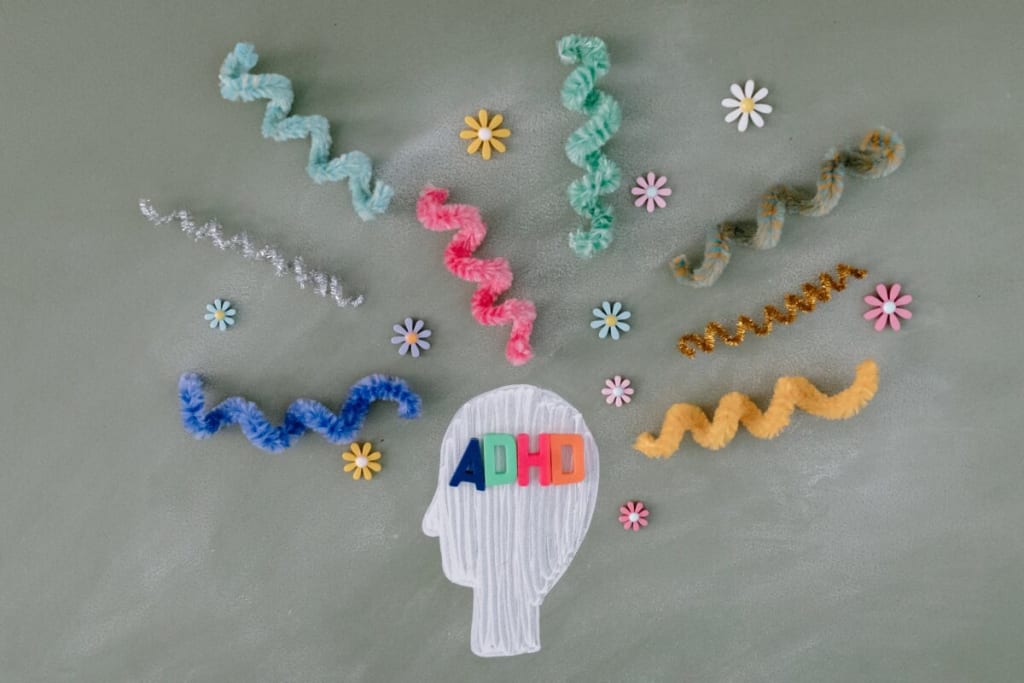
ADHD stands as one of the most common neurodevelopmental disorders experienced by children. The disorder is primarily identified by a group of persistent issues that may either be singly or together, including a difficulty in sustaining attention, hyperactivity, and impulsiveness. Often, early diagnosis and treatment can significantly make for better outcomes for the ADHD child.
In this blog, we would like to discuss ADHD symptoms in children, the way such symptoms appear in children and babies, and what pediatric ADHD treatment options are available.
Symptoms of ADHD in Children
Children with ADHD symptoms typically fall within two major categories: inattention and hyperactivity-impulsivity. Every child with the condition has a variety of behaviors and is typically a combination of both two categories.
1. Symptoms of Inattention
Children whose ADHD is primarily an inattentive type may:
Carelessness in schoolwork or other activities.
Avoids focusing on trying to concentrate. One may get the impression that they do not hear if they are spoken directly to.
Is easily distracted and cannot listen and follow instructions or complete tasks and assignments. Has a disdain or aversion to things that require work for an extended period of time such as homework.
Easily loses needed items such as toys or school supplies for a task or project.
Easily distracted by extraneous stimuli.
Unable to pay attention to daily activities, such as homework or chores. 2. Hyperactivity-Impulsivity Symptoms Children with hyperactive or impulsive symptoms may: Be constantly fidgeting or squirming in their seats. Run or climb when they shouldn't, be restless when there is a need to sit quietly. Find it difficult to engage in quieter, calmer games or activity. Speak excessively and have trouble waiting for others to finish talking.
They have trouble waiting their turn, whether it's in a game or a conversation.
They blurt out answers before the questions have been completed.
These symptoms become more and more apparent during the school years, specifically because children are supposed to be able to focus for longer periods of time and regulate their behavior in school and other organized settings.
ADHD may present at any age during a child's life. Children with ADHD often experience this condition on most aspects of their lives, such as learning, social life, and habits.
Effects on Learning
Children with ADHD are ineffective in class, unable to focus on the necessary work needed of them. Since children with ADHD are unable to plan schoolwork efficiently, homework may be incomplete and not fully submitted, which complicates students learning new things. They will appear dazed and fidgety in class.
Social Effects
Children suffering from ADHD may not be able to mingle properly. The child may go on to cause fiascos during playtime, can't take turns for long, and sometimes provokes arguments with friends. Some children may not pick social cues to an appropriate extent; thus, they may not be capable of maintaining good friendships.
Emotional Impact
Children with ADHD are very frustrated by not being able to complete tasks or follow instructions, sometimes leading to emotional outbursts or low self-esteem. With time, the daily problems could escalate into anxiety or even depression if unresolved.
ADHD in Babies: Really?
Although it is a childhood disorder that is often diagnosed at an early age, most of the behaviors sometimes start to manifest when people are just babies. It is also important to note that diagnosing ADHD at infancy is not very common. This is largely because most of the behaviors associated with ADHD often overlap with infant development.
While rare, some parents and other caregivers may sometimes begin to witness some behaviors that could be early indicators, including:
Excessive crying and fussing for which no obvious cause is easily found.
Somnolent patterns or irritable behavior upon waking.
Activity level inconsistent with other infants of the same age.
Colicky behaviors characterized by activity like frequent movement or resistance.
While such behaviors could be precursors, it is not prudent to jump to conclusions since babies are naturally rambunctious with short attention spans. Monitoring development and advice from a pediatrician is best if something concerns parents when the child is very young.
pediatric adhd diagnosis and treatment
Diagnosis
Diagnosing ADHD in children includes an all-around assessment by a pediatrician or specialist. A diagnostic test doesn't exist; rather, it calls for information gathering from the parents, teachers, and observations of the child behavior over a period of time.
Diagnostic Steps May Include:
Behavioural assessments: Parents and teachers may be asked to complete standardized questionnaires for assessing the child's symptoms.
History development : the child's early history of developing, his family history of medical conditions, and social surroundings.
Medical examination: to exclude such other possible causes for the behavior of the child, like problems related to vision or hearing, sleep disorders, or issues of disability in learning.
Treatment
The treatment for Pediatric ADHD is multidimensional and usually includes medications, behavioral therapy, and lifestyle changes. These treatments reduce the symptoms to a much better extent in the child and support his/her life for academic, social, and emotional gains.
Standard Treatment Options Available Are:
Medication: Methylphenidate and amphetamines have been used quite frequently as stimulant drugs for the treatment of ADHD. Such a type of medicine works very well in order to enhance focus, attention, and control capability in children.
Behavioral therapy focuses on teaching the child strategies to manage one's own behavior and to interact better with other people. Parent training is also incorporated in this technique, which would thus train the parents to care for their child much better.
Educational support: The child may be provided with some special additional support in school in the form of IEPs or classroom accommodation designed to meet the needs of that child.
Healthy lifestyle: Having a routine for the day, encouraging physical activity in everyday life, and nutritious diet all help children with ADHD live with symptoms of this disorder effectively.
There are many things about ADHD, and of course it isn't easy to describe. However, ADHD in children is an extremely complex condition that affects every aspect of a child's life. Prompt recognition and intervention can certainly help children survive but thrive despite their troubles. Thus, if you find any symptoms of ADHD in your child, then do take him/her to a pediatrician to discuss the best options available for diagnosing and treating him/her. Children suffering from ADHD can lead very healthy and productive lives with proper support and care.
This blog has explained the main symptoms of ADHD in children, symptoms that an infant may present, and diagnosis and treatment options in pediatric ADHD.
About the Creator
Keep reading
More stories from Olve Smith and writers in Lifehack and other communities.
Commercial Architecture: All You Need To Know
In the world of architecture, one facet that stands out for its unique challenges and innovative solutions is commercial architecture. The fusion of aesthetics, functionality, and adherence to stringent regulations makes commercial architecture a fascinating field.
By Olve Smithabout a year ago in Lifehack
Zojirushi BB-CEC20 Vs BB-PDC20: Which One Should You Buy?
Choosing between the Zojirushi BB-CEC20 Vs BB-PDC20 can feel tricky when both promise great homemade bread. I like how each model focuses on ease and consistent results, but I notice small differences that matter for everyday baking in a typical U.S. kitchen. Here’s how the Zojirushi BB-CEC20 vs BB-PDC20 compares so you can quickly decide which one fits your routine best.
By Mohammed mamun5 days ago in Lifehack
The Metrics That Actually Get You Promoted Remotely
Many remote professionals assume promotions are based on how hard they work. They believe that if they work longer hours, respond to messages quickly, and stay busy throughout the day, eventually someone will notice their effort.
By Bahati Mulishi4 days ago in Lifehack




Comments
There are no comments for this story
Be the first to respond and start the conversation.