
Under Pressure: Living in the Age of Relentless Stress
How Modern Life Keeps Us Anxious—and What It Really Takes to Break Free

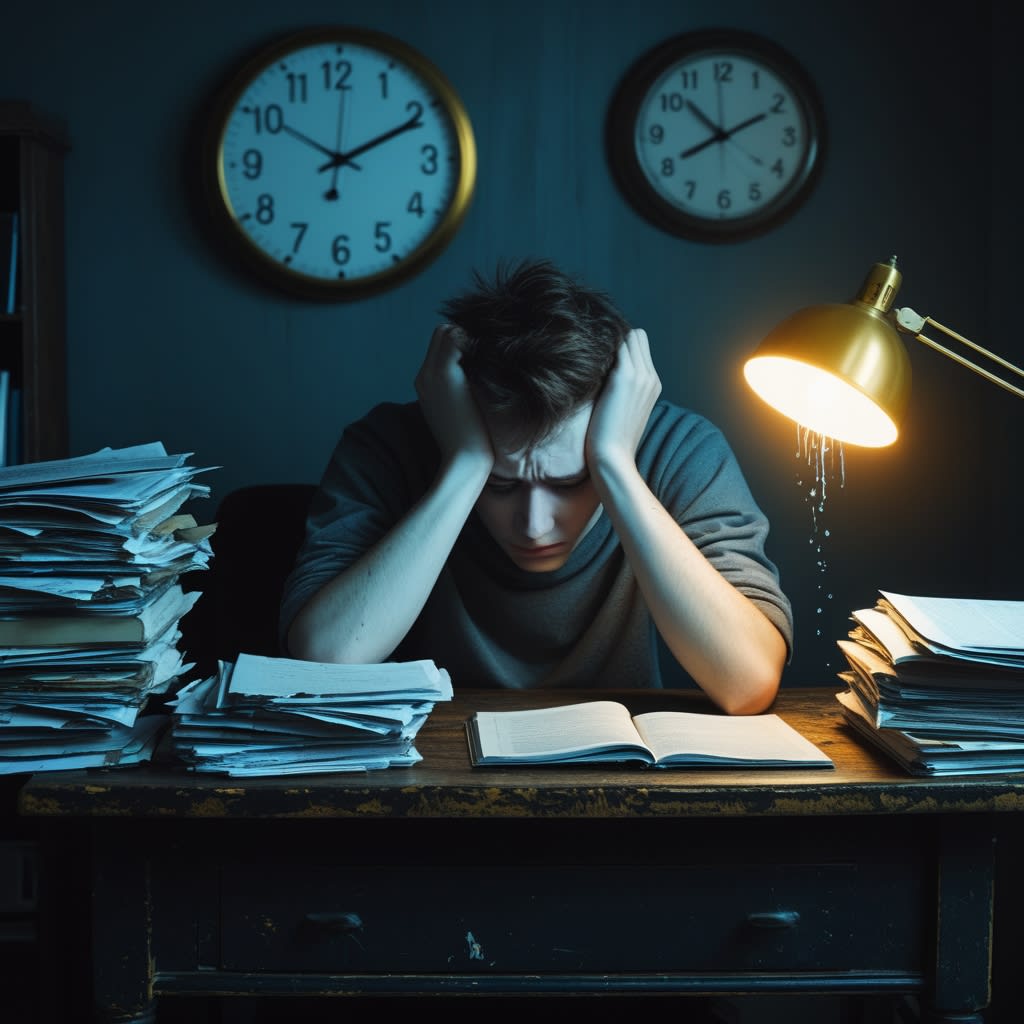
Stress is a word that has become so ordinary, it almost feels harmless. We say, “I’m stressed” with the same casual tone we use to talk about the weather or what we ate for lunch. But underneath this bland acknowledgment lies something much darker—an invisible force that slowly erodes our bodies, clouds our minds, and steals the joy out of our days.
I learned this the hard way.
At first, I thought stress was just the price of ambition. In college, I juggled a full course load, two part-time jobs, and an endless list of extracurriculars. Sleep was optional. Food was whatever I could grab between classes. If I stopped moving, I felt like I was falling behind. There was always someone achieving more, working harder, earning accolades I hadn’t even thought to pursue.
People admired my work ethic. Professors called me “driven.” Friends said they wished they had my focus. But inside, I was unraveling. I started waking up with my jaw clenched so tightly it hurt to speak. My heartbeat fluttered in my chest at random moments, like a bird trapped in a cage. I ignored it. I told myself I was just tired—that it would pass.
But it didn’t.
Stress doesn’t simply fade because we want it to. It grows roots. One evening, I was working on an essay due at midnight. My laptop screen blurred before my eyes. I blinked, thinking it was fatigue, but my vision kept swimming. A wave of dizziness crashed over me, and for a moment, I thought I might faint. My hands were trembling. My heart was thundering so loudly, I thought everyone in the library could hear it.
I packed my bag and left. Outside in the cold night air, I pressed my palm to my chest and tried to breathe, but each inhale felt shallow and tight. Tears burned behind my eyes. That was my first panic attack.
The days that followed were a blur of exhaustion and fear. I stopped going to classes. I couldn’t focus. Even basic tasks like making breakfast felt monumental. My friends were concerned, but I didn’t have the words to explain how broken I felt. To everyone else, stress was just part of life—something you push through.
But chronic stress is more than just a bad mood. It changes your brain. Scientists have found that prolonged stress shrinks the hippocampus, the part of your brain responsible for memory and learning. It floods your system with cortisol, the hormone that keeps your body in constant fight-or-flight mode. Over time, your immune system weakens. Your heart strains. Your digestion falters. You start to feel like you’re surviving, not living.
I wish I could say there was a single moment when everything turned around—a neat epiphany that fixed me. But healing from stress is rarely dramatic. It’s slow, clumsy, and full of setbacks.
I began by seeing a counselor. I still remember sitting across from her, unable to meet her eyes as I explained how scared I was of disappointing everyone. She told me something that stuck with me:
“Your worth isn’t measured by how much you can endure.”
It sounded so simple. But I had built my entire identity around endurance. If I wasn’t productive, who was I? If I rested, didn’t that mean I was weak?
Recovery required me to unlearn those beliefs. I started small. I learned to recognize the signals my body was sending—the tightness in my chest, the tension in my shoulders, the restless, spiraling thoughts. Instead of pushing past them, I tried to pause. Breathe. Acknowledge that I was overwhelmed.
I also began practicing mindfulness—something I used to roll my eyes at. But sitting quietly, focusing only on the rhythm of my breath, became an anchor. Even five minutes a day helped. Over time, I noticed I felt calmer, more present.
Slowly, I started sleeping again. I set boundaries, even when it felt selfish. I said no to commitments that drained me. I stopped glorifying exhaustion.
But perhaps the biggest change was learning to treat myself with compassion. I used to believe that self-care was indulgent, something reserved for people with less to prove. Now I see it as survival. You can’t pour from an empty cup. You can’t build a meaningful life while running on fumes.
Stress is still part of my world—part of everyone’s. But now, when it shows up, I don’t pretend it’s harmless. I don’t ignore the signals. I don’t shame myself for needing rest.
If you’re reading this and you feel like stress has swallowed you whole, please know you’re not alone. You’re not weak. You’re human. And you deserve a life that feels more than just manageable—you deserve a life that feels alive.
About the Creator
Building Influence in a Remote Team
In traditional office environments, influence often developed naturally through proximity. People who spoke confidently in meetings, participated in hallway discussions, or regularly interacted with leadership often gained recognition and influence simply because they were visible.
By Bahati Mulishi5 days ago in Lifehack
How to Hire a Quality Painting Team in Sydney Without the Job Dragging On
A repaint is meant to be a tidy upgrade: cleaner lines, brighter rooms, a place that feels looked-after again. Yet plenty of paint projects in Sydney turn into a slow-motion inconvenience—rooms half usable, dates sliding, and that lingering sense the finish isn’t quite right.
By Evelyn Heard7 days ago in Lifehack



Comments
There are no comments for this story
Be the first to respond and start the conversation.