
Turmeric and Joint Pain
Not a Miracle, But Maybe Close
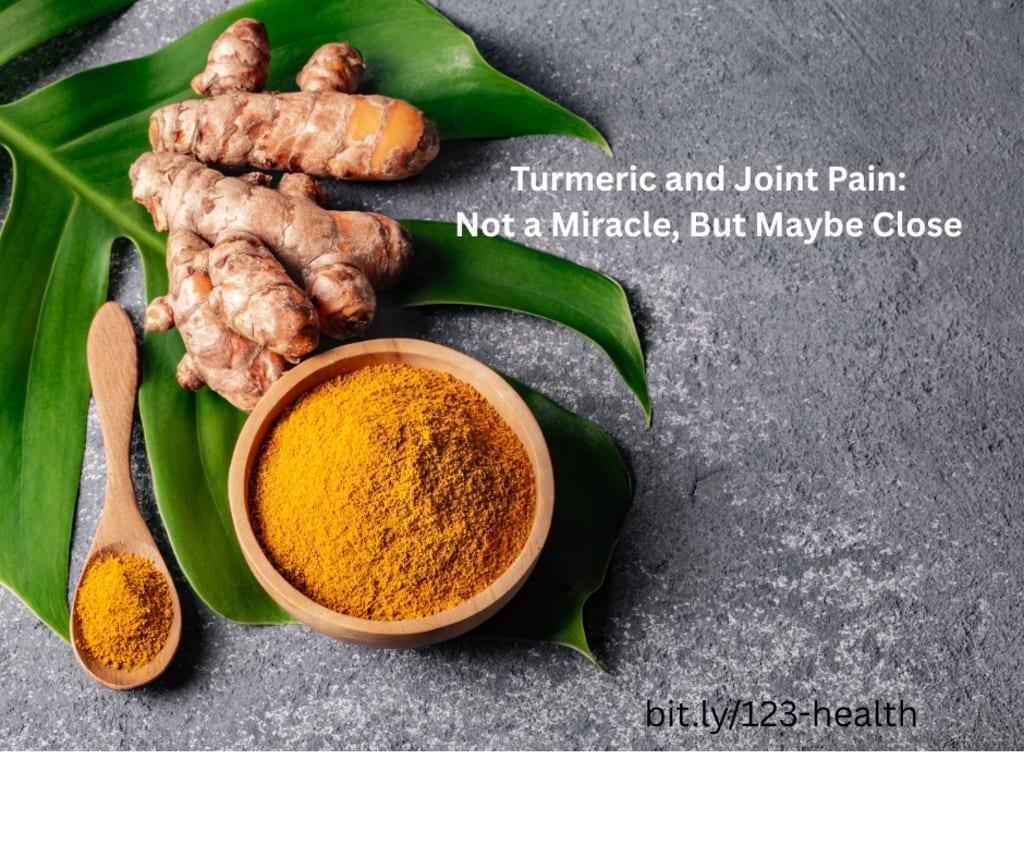
Turmeric and Joint Pain: Not a Miracle, But Maybe Close
Turmeric is one of those things you’ve probably heard about—maybe in passing, maybe in a health food store aisle—but never really *looked into*. It’s been around forever, used in cooking, sure, but also in ancient medicinal systems like Ayurveda and traditional Chinese medicine.
These days, though, turmeric’s made its way into capsules, teas, lattes, powders, and wellness blogs. Mostly, people are talking about it in the context of inflammation. More specifically: joint pain.
Which is kind of interesting, right? I mean, most of us assume dealing with sore joints—especially as we get older or recover from an injury—is just...part of life. Something you manage, not something you fix. But turmeric, oddly enough, seems to shift that narrative just a little.
Let’s walk through that.
So, what actually "is" turmeric doing in the body?
Turmeric contains a compound called *curcumin*. That’s the part researchers focus on. It’s the thing that seems to give turmeric its powerful anti-inflammatory and antioxidant properties.
The science behind it isn’t fluff, either. Several studies have shown that curcumin can reduce markers of inflammation in the body—some even compare it to over-the-counter pain medications like ibuprofen. Though, just to be clear, it's not an exact replacement. It's not as fast, and it doesn't work for everyone in the same way. But still, that’s… something.
Now, inflammation itself isn’t always bad. It’s how your body protects and repairs itself. The problem is when that inflammation lingers longer than it should—like in arthritis or after physical strain. That’s when it stops being helpful and starts being, well... painful.
That’s where turmeric seems to come in. It helps *dial things down*. Not eliminate pain completely. But maybe take the edge off enough that your body can start doing its job again.
A few small shifts I noticed (and yes, I tried it)
Now, I’m not a doctor. Let’s get that out of the way. But I *am* someone who deals with mild joint pain from a knee injury years ago—nothing dramatic, just enough to be annoying on stairs or during colder months.
I started taking a turmeric supplement daily, mostly out of curiosity. No huge expectations.
The first week? Not much. But by the third or fourth week, there was a noticeable shift. The stiffness was just… less stubborn. Movement felt smoother. I even realized I wasn’t reaching for my knee brace as often on longer walks. It wasn’t dramatic, but it was *definitely there*.
Was it all because of turmeric? Honestly, I don’t know. But it lined up. And sometimes, the body doesn’t lie.
How it helps with recovery—beyond just pain relief
Joint pain and recovery often go hand-in-hand. Whether you’ve had a tough workout, an injury, or you're managing something like osteoarthritis, the body needs time—and the right conditions—to heal.
Turmeric’s anti-inflammatory action can help create a more supportive environment for recovery. Less swelling. Less oxidative stress. And maybe a bit more ease for the tissues to rebuild and repair themselves.
Some athletes even use it post-training to support muscle recovery. Again, it’s not about immediate relief. It’s more like nudging the recovery process along. Gently. Consistently.
Also, curcumin has been shown to boost the activity of the body’s own antioxidant enzymes, which is a fancy way of saying it helps your body fight off internal stress. And that’s no small thing when you’re trying to bounce back from wear and tear.
---
**But here’s the catch (because there’s always one)**
Turmeric on its own doesn’t absorb very well in the body. You could eat spoonfuls of the stuff and still not get much curcumin into your bloodstream. That’s where *black pepper* comes in.
More specifically, a compound called *piperine*, which enhances the absorption of curcumin significantly—some say by as much as 2,000%. That’s why a lot of high-quality turmeric supplements include black pepper extract or other absorption aids like liposomal delivery systems.
So if you’re thinking about trying turmeric, it’s worth checking the label. Because not all products are created equal, and honestly, some are just overpriced yellow powder.
Any risks or downsides?
For most people, turmeric is very well tolerated. It’s a food, after all. That said, in large doses—or for people with certain conditions—it can interact with medications, especially blood thinners. It might also cause mild digestive upset in some.
So if you’re dealing with chronic illness, or you're on medication, talk to your healthcare provider first. It's not the kind of thing to throw into your routine without a second thought.
But for the average person looking for a natural way to support their joints and ease recovery? It’s worth exploring.
Not a cure, but maybe a companion
Let’s be clear: turmeric isn’t magic. It won’t undo years of wear and tear overnight. It won’t eliminate every ache.
But it "Might" give your body a gentle assist. A little less inflammation. A bit more ease in movement. And perhaps even a faster bounce-back after activity.
And that, in the day-to-day reality of living with joint discomfort, might be more helpful than it sounds.
Because when your body hurts less, everything else starts to feel a bit more manageable, too.
About the Creator
Kenneth MacLean
We are Affiliate marketers and SEO agency.
We also affiliate market the Touchstone Essentials brand.
https://melloncharles.thegoodinside.com
Keep reading
More stories from Kenneth MacLean and writers in Lifehack and other communities.
Tips to Avoid Procrastination
Tips to Avoid Procrastination: A Human’s Guide to Getting Stuff Done Procrastination. Ugh. It’s that sneaky little habit that creeps up when you least expect it, convincing you that scrolling through social media or reorganizing your desk is way more urgent than the task you’re supposed to be doing. I’ve been there—many times, actually. Just last week, I spent a good 20 minutes debating whether my coffee mug needed a deep clean before I could start writing. Spoiler: it didn’t. If you’re reading this, chances are you’ve danced this dance too. So, let’s talk about some practical ways to kick procrastination to the curb, with a few tips that feel doable, not like some unattainable productivity guru nonsense.
By Kenneth MacLean9 months ago in Lifehack
The Burnout Generation: Why I’m Rejecting Hustle Culture for My Mental Health
I used to believe that grinding—24/7, no breaks, no excuses—was the only way to succeed. Coffee in one hand, deadlines in the other, my brain constantly buzzing, my chest tight, my mind refusing to rest.
By Anie Liban6 days ago in Lifehack



Comments
There are no comments for this story
Be the first to respond and start the conversation.