
TrumpRx: How the New White House Platform Aims to Lower U.S. Prescription Drug Costs
A new White House platform aims to cut U.S. drug costs—but who really benefits from TrumpRx?

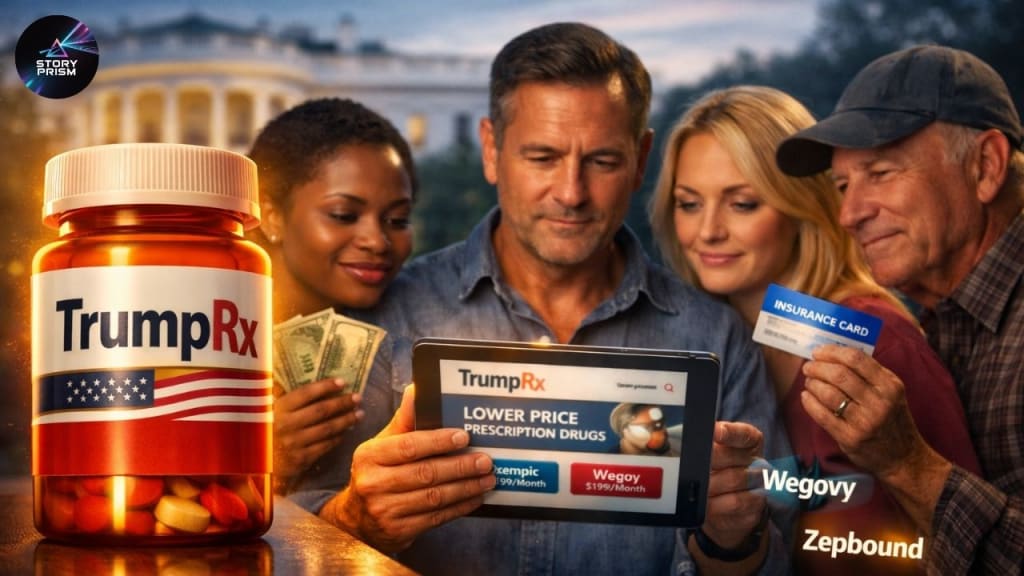
In February 2026, President Donald Trump launched TrumpRx, a new direct-to-consumer website aimed at helping Americans access prescription medications at lower costs. With U.S. prescription drug prices among the highest in the developed world, the initiative has drawn significant attention, with supporters touting it as a major step toward affordability and critics questioning its long-term impact.
TrumpRx is designed as a central hub where consumers can find discounted drugs offered directly by pharmaceutical companies. While the site does not sell medications itself, it directs users to participating companies’ own platforms or provides coupons that can be redeemed at pharmacies. The platform emphasizes cash-pay discounts, making it particularly useful for individuals without insurance or with limited coverage.
How TrumpRx Works
The concept behind TrumpRx is straightforward: instead of going through insurance providers, pharmacy benefit managers, or intermediaries, patients can bypass traditional channels and purchase medications at negotiated rates. At launch, the platform features medications from five major companies that have signed pricing agreements with the administration: AstraZeneca, Eli Lilly, EMD Serono, Novo Nordisk, and Pfizer. Additional companies are expected to be added over the coming months.
Among the drugs highlighted at launch are several high-demand GLP-1 diabetes and obesity medications, including:
• Ozempic injection (Novo Nordisk): Reduced to $199/month from roughly $1,000
• Wegovy injection (Novo Nordisk): $199/month from $1,350
• Zepbound injection (Eli Lilly): $299/month from $1,086
• Gonal-F fertility drug (EMD Serono): $168
The site is particularly aimed at cash-paying patients who may not benefit fully from insurance-based discounts or who wish to access medications not widely covered by insurance. Users can select their medication, print a discount coupon, and present it at a participating pharmacy to receive the reduced price.
Policy Background
TrumpRx is part of a broader initiative by the Trump administration to link U.S. drug prices to lower international rates through “Most Favored Nation” agreements. Under this approach, pharmaceutical companies agree to reduce prices for certain medications to avoid tariffs and align with the lowest global rates.
The administration has pitched TrumpRx as a populist measure targeting high drug prices and challenging the influence of “Big Pharma.” According to White House communications, the platform represents “the most impactful prescription price reset in the history of our country.” At launch, more than 40 medications are featured on the platform, ranging from weight-loss and fertility drugs to key treatments for chronic conditions.
Potential Benefits
TrumpRx offers several potential advantages for U.S. consumers:
1. Lower Out-of-Pocket Costs for Cash-Pay Patients:
For individuals without insurance or with high deductibles, TrumpRx may offer significant savings. Certain high-cost drugs, especially obesity medications, can now be purchased for less than a third of their list prices.
2. Increased Access to Certain Medications:
Some drugs, such as obesity treatments, are not widely covered by insurance plans. TrumpRx can provide a more affordable route for patients to access these treatments directly.
3. Simplified Purchasing Process:
By centralizing information about available discounts, TrumpRx eliminates some of the complexity associated with navigating multiple manufacturer websites and coupon programs.
4. Encourages Competition Among Drugmakers:
With public visibility of pricing deals, companies may be incentivized to offer more competitive cash-pay prices, potentially influencing broader market trends.
Limitations and Criticisms
Despite these potential benefits, analysts and health policy experts caution that TrumpRx may not substantially lower costs for all Americans:
• Limited Impact for Insured Patients:
For patients with comprehensive insurance coverage, purchasing through TrumpRx may not offer better deals than their insurance copays. Additionally, purchases made outside insurance networks may not count toward deductibles or out-of-pocket maximums.
• Transparency Concerns:
Details of the Most Favored Nation agreements between the administration and pharmaceutical companies remain largely confidential, leaving questions about the exact pricing structures and eligibility criteria.
• Partial Coverage of Medications:
While TrumpRx launched with discounts on over 40 drugs, the majority of medications Americans use remain outside the program. Many brand-name drugs are already available as generics or discounted through insurance plans, limiting the relative benefit of the platform for some patients.
• Potential Industry Pushback:
Pharmaceutical companies remain powerful in U.S. politics, collectively spending hundreds of millions on lobbying annually. While some companies have agreed to participate, the platform’s long-term influence on overall industry pricing is uncertain.
Industry and Expert Reactions
Executives from participating companies have publicly endorsed the platform. Eli Lilly’s CEO Dave Ricks described TrumpRx as expanding direct-to-consumer access to medications, while Bristol Myers Squibb CEO Chris Boerner emphasized the potential to simplify the supply chain and reduce costs by bypassing middlemen.
Health policy analysts, however, urge caution. Juliette Cubanski, deputy director for Medicare Policy at KFF, noted that while TrumpRx could help those without insurance, out-of-pocket costs may still remain unaffordable for many people. She also highlighted that the initiative might not significantly impact insured Americans who already benefit from negotiated prices through Medicare, Medicaid, or private insurance.
Broader Context
Prescription drug prices have been a persistent concern in the United States, with Americans paying two to three times more for medications than patients in other developed countries—and in some cases, up to ten times more. The Trump administration argues that initiatives like TrumpRx are necessary to bring transparency and competition to a complex market dominated by insurance intermediaries and pharmaceutical lobbying.
According to research from Georgetown’s Medicare Policy Initiative and the Congressional Budget Office, average discounts on brand-name drugs can range from 40% in Medicare Part D to over 75% in Medicaid. This suggests that while TrumpRx offers headline reductions from list prices, many insured patients may already be paying lower rates through existing channels.
Conclusion
TrumpRx represents a bold attempt to address the high cost of prescription medications in the United States, particularly for cash-paying patients or those with limited insurance coverage. By partnering with pharmaceutical companies to offer direct-to-consumer discounts, the administration seeks to provide an alternative route to affordability, bypassing traditional intermediaries in the U.S. healthcare system.
However, while the platform may increase access to certain high-cost medications, its broader impact on the pharmaceutical industry and insured Americans remains uncertain. As more companies join the platform and more drugs are added, the true efficacy of TrumpRx in lowering U.S. drug prices will become clearer.
For consumers looking to save on prescription medications, TrumpRx provides a centralized hub to compare discounts, access manufacturer programs, and potentially reduce out-of-pocket costs—especially for medications not widely covered by insurance. For policymakers and industry observers, it represents a high-profile experiment in linking direct-to-consumer pricing with federal oversight, and its outcomes may shape future U.S. health policy debates.
About the Creator
Keep reading
More stories from Story Prism and writers in Lifehack and other communities.
Planning a Move in Marysville, Washington: Local Habits That Make the Process Easier
Moving in Marysville, Washington, often seems simple at first glance. The city feels calm, residential, and well-organized, which can give the impression that relocation requires minimal planning. However, residents who have moved locally know that small details make a meaningful difference. Weather patterns, neighborhood layouts, and daily routines all shape how smoothly a move unfolds.
By House Doctora day ago in Lifehack
Top 5 Best Dreo Humidifier Reviews: Which One is Better?
Dry air packs a wallop and can ruin sleep quickly. If you need the best dreo humidifier, I will refer to Dreo smart models with a humidistat, top-fill tank, and quiet sleep mode. In a word, I look for constant humidity and less daily effort. I reach the determination from spec checks, fresh U.S. buyer trends and pattern review of top complaints, which means you can pick one without confusion.
By Mohammed mamunabout 8 hours ago in Lifehack




Comments
There are no comments for this story
Be the first to respond and start the conversation.