
Top Nutritious Vegetables to Boost Weight Loss and Support a Healthy Lifestyle
Nutrient-Rich Vegetables That Help You Lose Weight While Nourishing Your Body
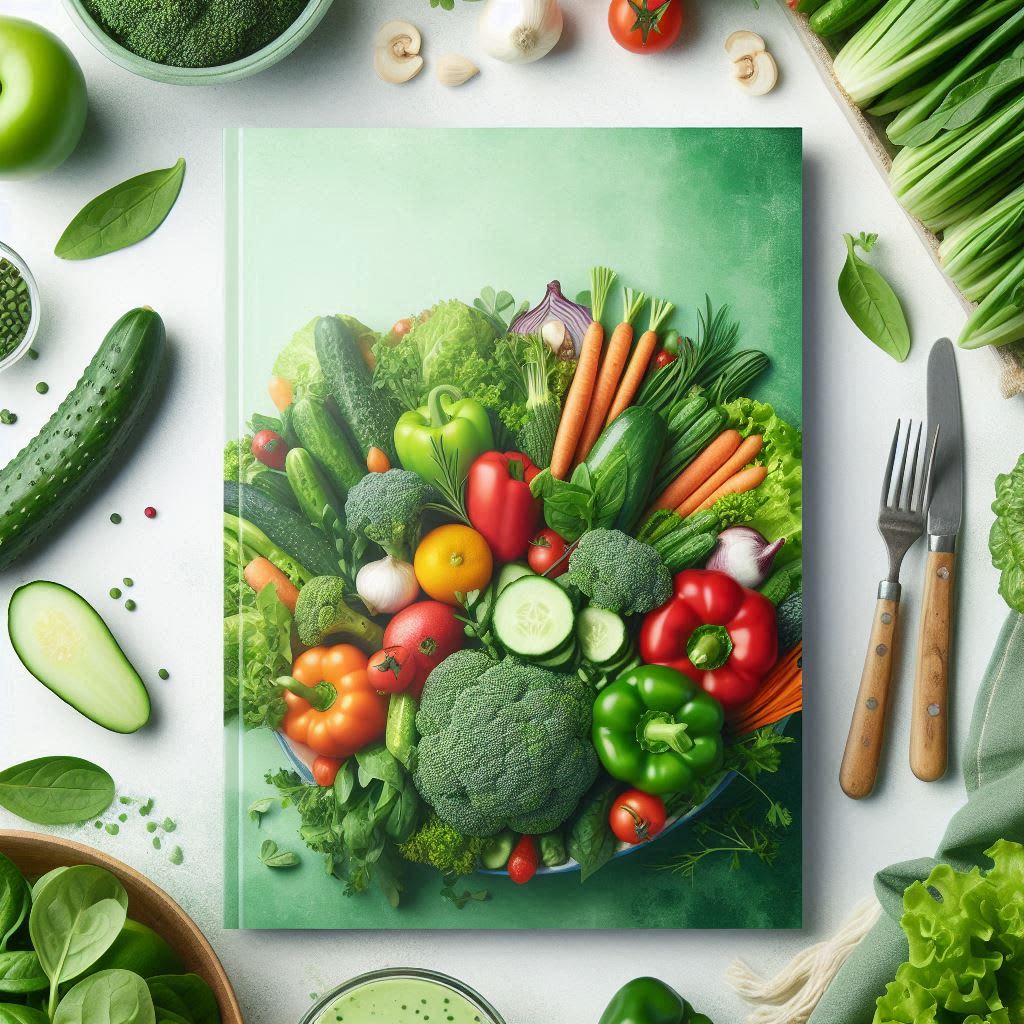
Maintaining a healthy lifestyle goes hand in hand with making smart food choices. Among the various food groups, vegetables are often the unsung heroes of a balanced diet, especially when it comes to supporting weight loss. Not only are they low in calories and high in essential nutrients, but they also help you feel full, energized, and nourished throughout the day. If you're looking to shed some pounds while boosting your overall well-being, incorporating more nutritious vegetables into your meals can make a significant difference.
In this article, we’ll explore some of the best vegetables to aid in weight loss and how they contribute to a healthier lifestyle. These nutrient-packed veggies not only provide vital vitamins and minerals but also help control hunger and maintain a healthy digestive system.
1. Spinach
Spinach is one of the most versatile vegetables when it comes to weight loss. Low in calories but rich in fiber, vitamins A, C, and K, as well as iron, spinach is a powerhouse of nutrition. Its high water content makes it filling, which helps prevent overeating and supports hydration. The fiber in spinach plays an essential role in regulating digestion and reducing bloating, which is crucial when you're trying to lose weight.
Why Spinach Helps with Weight Loss:
Low Calorie: With only about 7 calories per cup of raw spinach, it’s an excellent choice for anyone looking to cut calories without sacrificing nutrition.
High in Fiber: Fiber helps you feel fuller for longer, reducing the urge to snack between meals.
How to Incorporate Spinach: Add spinach to your morning smoothies, toss it into salads, or incorporate it into soups and stews for a nutrient boost. You can even sauté it with a touch of olive oil and garlic for a delicious, low-calorie side dish.
2. Broccoli
Broccoli is often hailed as a superfood due to its impressive nutrient profile. It’s rich in vitamins C and K, folate, and fiber. This cruciferous vegetable is also packed with antioxidants, which help combat oxidative stress and inflammation in the body—factors that can hinder weight loss. Additionally, broccoli contains compounds that promote fat-burning and reduce the formation of new fat cells.
Why Broccoli Helps with Weight Loss:
Low in Calories: A cup of steamed broccoli has only about 55 calories, making it an excellent low-calorie vegetable for weight loss.
High in Fiber: The fiber content in broccoli keeps you feeling full longer and helps regulate your digestive system.
Fat-Burning Properties: Certain compounds in broccoli, such as sulforaphane, support your body’s ability to burn fat and prevent weight gain.
How to Incorporate Broccoli: Broccoli can be steamed, roasted, or even eaten raw. Try it as a side dish, toss it into stir-fries, or add it to your salads for a healthy crunch. You can also blend it into soups for a creamy, nutrient-packed base.
3. Cauliflower
Another member of the cruciferous family, cauliflower is a fantastic low-calorie vegetable that can help with weight loss. It’s an excellent source of vitamins C, K, and B6, along with fiber, which promotes fullness. Cauliflower is also a versatile vegetable that can easily replace higher-calorie foods, like rice or potatoes, in many dishes.
Why Cauliflower Helps with Weight Loss:
Low in Calories: A cup of cauliflower contains only 25 calories, making it a great option for weight-conscious individuals.
High in Fiber: The fiber in cauliflower aids digestion and helps control appetite.
Versatile in Cooking: Cauliflower can be used as a low-carb substitute for rice, mashed potatoes, or pizza crust, making it easy to include in a variety of dishes.
How to Incorporate Cauliflower: To use cauliflower in place of high-calorie foods, try making cauliflower rice or mashed cauliflower as a healthier alternative. Roasted cauliflower with your favorite herbs and spices makes for a delicious, low-calorie side dish.
4. Zucchini
Zucchini is another excellent vegetable to include in a weight loss diet. With only about 20 calories per cup, zucchini is low in energy density, meaning it provides fewer calories while still offering a good amount of nutrients. It's rich in vitamin C and antioxidants, which support your immune system and help reduce inflammation in the body. Plus, zucchini contains a high amount of water, which helps keep you hydrated and feeling full.
Why Zucchini Helps with Weight Loss:
Low in Calories: Zucchini is a low-calorie vegetable that’s perfect for those looking to cut back on caloric intake.
Hydrating: Its high water content aids in hydration, which is essential for overall health and weight loss.
Fiber-Rich: The fiber in zucchini helps regulate digestion and prevents constipation, which can be a concern during weight loss.
How to Incorporate Zucchini: Zucchini can be spiralized into "zoodles" as a low-carb pasta alternative or sliced and roasted as a savory side dish. You can also add it to soups, stews, and salads for extra nutrients and texture.
5. Kale
Kale has earned its reputation as one of the healthiest vegetables available. This dark, leafy green is loaded with vitamins A, C, and K, along with a variety of antioxidants. Kale’s high fiber content helps regulate digestion and keeps you feeling satisfied for longer periods, which can prevent overeating and unhealthy snacking.
Why Kale Helps with Weight Loss:
Low Calorie: A cup of raw kale contains just about 33 calories, making it an ideal vegetable for weight loss.
High in Fiber: Kale’s fiber helps promote satiety, reducing the likelihood of overeating.
Rich in Antioxidants: Antioxidants like quercetin and kaempferol in kale help fight inflammation and may contribute to fat burning.
How to Incorporate Kale: Kale can be used in salads, smoothies, or as a cooked side dish. Try making crispy kale chips by tossing the leaves in olive oil and seasoning them before baking for a healthy, low-calorie snack.
6. Cucumber
Cucumber is one of the most refreshing and hydrating vegetables, with a water content of around 96%. This makes it a perfect addition to your diet for weight loss, as it helps you stay hydrated while keeping calories low. Cucumbers are also high in fiber and contain antioxidants that support digestion and overall health.
Why Cucumber Helps with Weight Loss:
High Water Content: Cucumber helps hydrate the body, which is crucial for weight loss and overall well-being.
Low in Calories: With only 16 calories per cup, cucumbers are a great snack for anyone looking to reduce calorie intake.
Digestive Aid: The fiber in cucumber aids in digestion and can help prevent bloating.
How to Incorporate Cucumber: Add sliced cucumber to salads, use it as a topping for your sandwiches, or enjoy it as a refreshing snack with a sprinkle of salt and lemon.
Conclusion
Incorporating these nutritious vegetables into your diet is a simple and effective way to support weight loss while nourishing your body with the vitamins, minerals, and fiber it needs. From spinach and broccoli to zucchini and cauliflower, these vegetables are not only low in calories but also packed with the essential nutrients that help you feel full, satisfied, and energized throughout the day. By adding these nutrient-dense vegetables to your meals, you’ll be well on your way to achieving your weight loss goals and enjoying a healthier lifestyle. So, go ahead, fill your plate with these colorful and healthy veggies, and start seeing the benefits today!
About the Creator
Lessons Learned in a Wheel Chair, Singing in the Sunshine 🥀
It starts with love. . . and life . . . Motivational Mantra: Living with Disabilities “To think in terms of either pessimism or optimism oversimplifies the truth. The problem is to see reality as it is.” — Thich Nhat Hạnh
By WILD WAYNE : The Dragon King2 days ago in Lifehack
📢 Raise Your Voice Thread: 01/22/2026
Our “Raise Your Voice Threads” are hosted most alternating Thursdays at 12PM ET to offer creators more avenues to uncover exceptional stories on Vocal. As we are continuously searching for fresh creators and inspiring stories, this thread provides an opportunity to exchange and discuss the stories that have moved and motivated us on Vocal.
By Raise Your Voice by Vocal3 days ago in Resources




Comments
There are no comments for this story
Be the first to respond and start the conversation.