
Top Herbs and Vegetables for a Successful Kitchen Garden in India
plants for kitchen garden in india


Starting a kitchen garden in India is a great way to enjoy fresh, organic vegetables and herbs right from your home. With the right knowledge, you can grow a variety of plants for kitchen garden in India, even if you have limited space, such as a balcony, terrace, or windowsill. Gardening in India is especially rewarding due to the diverse climates, which allow for the growth of a wide range of vegetables and herbs throughout the year.
In this article, we'll explore some of the best herbs and vegetables to grow in your kitchen garden in India, along with useful tips on how to maintain a successful garden.
Why Start a Kitchen Garden?
Before diving into the best plants for your kitchen garden, it’s important to understand the benefits of growing your own food at home. Some of the advantages of a kitchen garden include:
Freshness and Nutrition: Homegrown herbs and vegetables are fresher and more nutritious than store-bought options, as they are harvested just before use.
Cost-Effective: Growing your own food can reduce your grocery bills in the long run.
Sustainability: By growing your own food, you reduce the environmental impact of food transportation and packaging.
Therapeutic Benefits: Gardening is a relaxing and rewarding activity that can help reduce stress and anxiety.
Now, let's take a look at some of the best plants for kitchen garden in India.
1. Coriander (Cilantro)
Coriander, or cilantro, is a must-have herb in any Indian kitchen garden. It’s widely used in Indian cuisine for garnishing curries, dals, and chutneys. Coriander is easy to grow and thrives in India’s moderate to warm climates.
How to Grow:
Climate: Prefers cool weather but can tolerate partial shade.
Soil: Well-drained, fertile soil with added organic compost.
Watering: Regular watering but avoid waterlogging.
Tip: Coriander tends to bolt (go to seed) in hot weather, so it’s best grown in cooler months or in partial shade.
2. Mint (Pudina)
Mint, or pudina, is another essential herb for Indian kitchens. It's used in teas, chutneys, and salads. Mint is a hardy plant that grows easily, even in small containers.
How to Grow:
Climate: Mint grows well in tropical and subtropical climates of India.
Soil: Moist, well-drained soil with good organic matter.
Watering: Mint requires regular watering as it prefers a moist environment.
Tip: Mint tends to spread quickly, so it's best grown in containers to prevent it from overtaking other plants.
3. Basil (Tulsi)
Basil, especially the holy basil (tulsi) variety, is not only a sacred plant in India but also a culinary herb with numerous health benefits. It's commonly used in teas, soups, and salads.
How to Grow:
Climate: Basil thrives in warm climates and full sunlight.
Soil: Well-drained, loamy soil with plenty of organic matter.
Watering: Regular watering is required, but avoid waterlogging.
Tip: Pinch off the flowering heads to encourage more leaf production.
4. Green Chilies
No Indian kitchen is complete without green chilies. Growing your own chilies ensures you have fresh, spicy additions to your meals. Chilies are perfect for kitchen gardens in India as they thrive in warm, sunny conditions.
How to Grow:
Climate: Chilies grow best in hot, tropical climates with plenty of sunlight.
Soil: Well-drained, slightly acidic soil.
Watering: Water regularly, but don’t overwater, as chilies prefer drier soil.
Tip: Prune the plants regularly to encourage better growth and fruit production.
5. Tomatoes
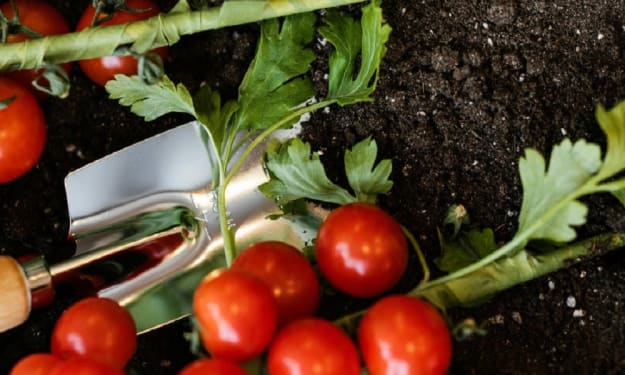
Tomatoes are one of the most versatile vegetables in Indian cooking. Whether used in curries, salads, or sauces, fresh tomatoes from your own garden can elevate any dish. They are relatively easy to grow, even in containers.
How to Grow:
Climate: Tomatoes thrive in warm climates and need full sunlight.
Soil: Well-drained, fertile soil enriched with compost.
Watering: Water regularly, but avoid wetting the leaves to prevent fungal diseases.
Tip: Tomatoes require staking or support as they grow. Use a trellis or cage to keep the plants upright.
6. Spinach (Palak)
Spinach is an excellent leafy green vegetable that can be grown in your kitchen garden in India year-round, depending on the climate. It's packed with nutrients and can be used in a variety of Indian dishes like saag and parathas.
How to Grow:
Climate: Spinach grows best in cooler temperatures but can tolerate partial sunlight.
Soil: Loose, well-drained soil enriched with compost.
Watering: Water regularly to keep the soil moist.
Tip: Spinach grows quickly and can be harvested in as little as 30 days.
7. Carrots (Gajar)
Carrots are an easy-to-grow root vegetable that’s perfect for kitchen gardens in India. They are highly nutritious and can be used in salads, soups, and various Indian dishes.
How to Grow:
Climate: Carrots thrive in cooler climates but can be grown in warmer temperatures with proper care.
Soil: Loose, well-drained soil with good organic content.
Watering: Water consistently to prevent the soil from drying out.
Tip: Carrots require deep soil for optimal growth. Use a deep container if you’re growing them in pots.
8. Lettuce (Salad Patta)
Lettuce is a quick-growing leafy vegetable that is perfect for beginner gardeners in India. It’s ideal for making fresh salads or garnishing your dishes.
How to Grow:
Climate: Lettuce grows well in cooler temperatures, so it’s best to grow it during the winter months in India.
Soil: Well-drained, rich soil with plenty of organic matter.
Watering: Lettuce requires consistent moisture but dislikes standing water.
Tip: Harvest outer leaves as needed to allow the plant to continue growing.
9. Bottle Gourd (Lauki)
Bottle gourd (lauki) is a popular vegetable in Indian kitchens. It’s used in curries, soups, and even drinks. Lauki is a vine plant, so it needs space to grow but is relatively easy to maintain.
How to Grow:
Climate: Bottle gourd thrives in warm, sunny climates.
Soil: Well-drained, fertile soil.
Watering: Regular watering is essential for optimal growth.
Tip: Train the vine to grow vertically to save space and keep the plant healthy.
10. Radishes (Mooli)
Radishes (mooli) are a fast-growing root vegetable that is commonly used in salads and chutneys. They are perfect for small kitchen gardens and can be harvested in as little as 25-30 days.
How to Grow:
Climate: Radishes grow best in cooler temperatures.
Soil: Light, well-drained soil.
Watering: Keep the soil consistently moist but not soggy.
Tip: Radishes need space to grow, so don’t overcrowd them.
Conclusion
Starting a kitchen garden in India is an incredibly rewarding experience. Whether you want to grow herbs for fresh chutneys or vegetables for delicious home-cooked meals, the plants listed above are great choices for beginners and seasoned gardeners alike. With the right care and attention, your kitchen garden will thrive, providing you with fresh, organic produce all year long.
About the Creator
Tannu Ka Garden
We explore the wonderful world of gardening, offering valuable tips, knowledge, and insights to help you become a skilled gardener. Whether you're just starting out or already have some experience, you'll find plenty of helpful information.
Keep reading
More stories from Tannu Ka Garden and writers in Lifehack and other communities.
Effortless Gardening: Easy to Grow Vegetables at Home India for Quick Harvests
Growing your own vegetables at home in India is both rewarding and practical. With a little effort, you can enjoy fresh, organic produce straight from your kitchen garden or terrace. Whether you are a beginner or a seasoned gardener, some vegetables are incredibly easy to grow and offer a quick harvest. In this guide, we will explore some of the best "easy to grow vegetables at home India," along with tips to maximize your yield.
By Tannu Ka Garden11 months ago in Lifehack
Using a novel strategy, scientists try to stop human ageing.
Your cells' functions change as you age, and this gradual change can lead to organ failure, weakening, and scarring. There is now hope for treating age-related disorders since scientists have discovered a mechanism to nudge some cells back towards healthy roles.
By Francis Dami4 days ago in Lifehack
How Naturopathic Medicine Can Help Hormonal Imbalances
They can also increase the risk of chronic diseases like diabetes. Many people are now turning to natural approaches for relief. Naturopathic medicine offers holistic solutions that focus on restoring balance rather than just masking symptoms.
By Lola Gold Finch3 days ago in Lifehack



Comments
There are no comments for this story
Be the first to respond and start the conversation.