
Top 5 Common Car Mechanical Issues and How to Prevent Them
Discover the top 5 common car mechanical issues that could leave you stranded when you least expect it, so you can avoid the stress and be proactive in keeping your car in top condition.

Top 5 Common Car Mechanical Issues and How to Prevent Them
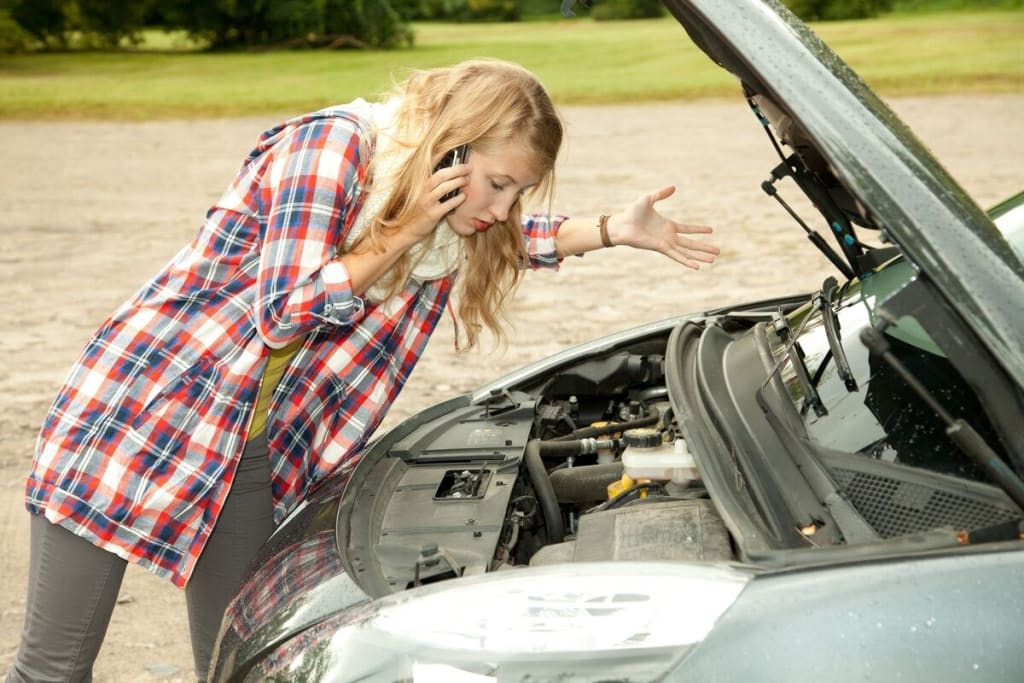
Every car owner's worst nightmare is breaking down in the middle of a busy road. Whether you're driving to work or taking a weekend road trip, car troubles can strike at the worst times. The good news? Many common mechanical issues can be avoided with proper maintenance and attention. Here, we'll explore the top five mechanical problems drivers face and how you can prevent them from derailing your day.
1. Engine Overheating
The Issue:
Engine overheating is one of the most common issues drivers face, especially in older vehicles or during hot weather. An overheating engine can cause serious damage if not addressed quickly, leading to expensive repairs or even a total engine failure.
Why It Happens:
Overheating usually stems from a lack of coolant, a malfunctioning thermostat, or problems with the radiator. Blockages in the cooling system or a faulty water pump can also cause the engine to heat up faster than usual.
How to Prevent It:
Regularly check your coolant levels and top up if necessary. Make sure there are no leaks in the radiator or hoses, and have your cooling system flushed and refilled every two years. Keeping an eye on your engine temperature gauge while driving can help you catch overheating before it causes severe damage. If your car starts overheating, pull over immediately and let the engine cool before investigating further.
2. Dead Battery
The Issue:
Imagine trying to start your car, only to hear nothing but silence. A dead battery can leave you stranded, and it often happens when you least expect it.
Why It Happens:
Batteries die for a number of reasons, including leaving the headlights on, extreme weather conditions, or a faulty alternator. Over time, the battery's ability to hold a charge weakens, and if it's not replaced, you'll eventually be left with a car that won't start.
How to Prevent It:
Get your battery tested regularly, especially before winter, when cold weather can sap its power. Most batteries last around 3–5 years, so if yours is getting old, consider battery replacing it before it fails. Ensure all lights are off when you leave the car, and avoid using electronics for extended periods while the engine is off. Keeping jumper cables in your car is also a good backup plan.
3. Brake Problems
The Issue:
Brake failure is a terrifying experience, but fortunately, it's often preventable. Squealing noises, vibrations when braking, or a soft brake pedal are all signs that something's wrong.
Why It Happens:
Brake issues typically arise from worn-out brake pads, low brake fluid, or air in the brake lines. Rotors can also become warped from excessive heat, causing the brakes to be less effective over time.
How to Prevent It:
Make sure to have your brakes inspected at least once a year or whenever you notice unusual sounds or sensations. Regularly check your brake fluid levels and replace the fluid as per your vehicle's maintenance schedule. Replacing brake pads when they show signs of wear can help you avoid more expensive repairs later, such as damaged rotors.
4. Transmission Trouble
The Issue:
Your car's transmission is one of its most complex and crucial systems. Whether it's an automatic or manual, problems with shifting gears, slipping, or strange noises can indicate a transmission issue.
Why It Happens:
Transmission problems often result from low transmission fluid, overheating, or old, dirty fluid. Over time, gears can wear out or fail if they're not properly lubricated, causing serious damage to the transmission system.
How to Prevent It:
Check your transmission fluid regularly and follow your manufacturer's guidelines for fluid changes. If you notice any hesitation while shifting or unusual noises, have your transmission checked by a professional. Catching problems early can save you from a costly rebuild or replacement. Remember, preventive maintenance is much cheaper than repairing a damaged transmission.
5. Worn-Out Tires
The Issue:
Bald or underinflated tires are more than just an inconvenience - they're a major safety hazard. Driving with worn tires reduces traction, increases stopping distances, and raises the risk of blowouts, especially at high speeds.
Why It Happens:
Tires naturally wear out over time, but improper inflation, misaligned wheels, or failure to rotate tires can accelerate the process. Driving over potholes, curbs, or rough roads can also cause uneven wear or punctures.
How to Prevent It:
Regularly inspect your tires for signs of wear and check the tire pressure monthly. Underinflated tires reduce fuel efficiency and can lead to dangerous blowouts, while overinflated tires may wear out more quickly. Rotate your tires every 5,000 to 8,000 miles and make sure your wheels are properly aligned. Don't forget to replace your tires when the tread wears down to the recommended depth for safety.
Conclusion:
Car mechanical problems can often feel inevitable, but many issues are entirely preventable with routine maintenance and attention to early warning signs. By staying proactive - checking your fluids, inspecting tires, and addressing any strange noises or sensations - you can extend your vehicle's life and avoid costly repairs. Regular check-ups with a trusted mechanic will also help keep your car running smoothly and safely, keeping you on the road for years to come.
Don't wait until you're stranded by the side of the road. Take action now, maintain your car, and drive with confidence knowing that you're ready to prevent these common problems before they start.
About the Creator
Ava Jane
I'm Ava Jane, Senior Content Marketing Manager at London Motorsport for over a decade.
Rustic Country Farmhouse Cottage Bedroom Furniture Guide
When it comes to charm and comfort, rustic country farmhouse cottage furniture isn't just restricted to living rooms; it is an excellent option for many people looking to achieve a relaxed and homely feel in their bedrooms, too. Wood is at the centre of this unique design trend as it allows you to achieve a natural and earthy finish that is welcoming and universal.
By Picture Perfect Home6 days ago in Lifehack




Comments
There are no comments for this story
Be the first to respond and start the conversation.