
How Do I Check My Car Alternator?
Alternator Trouble? Learn How to Check It Yourself!"

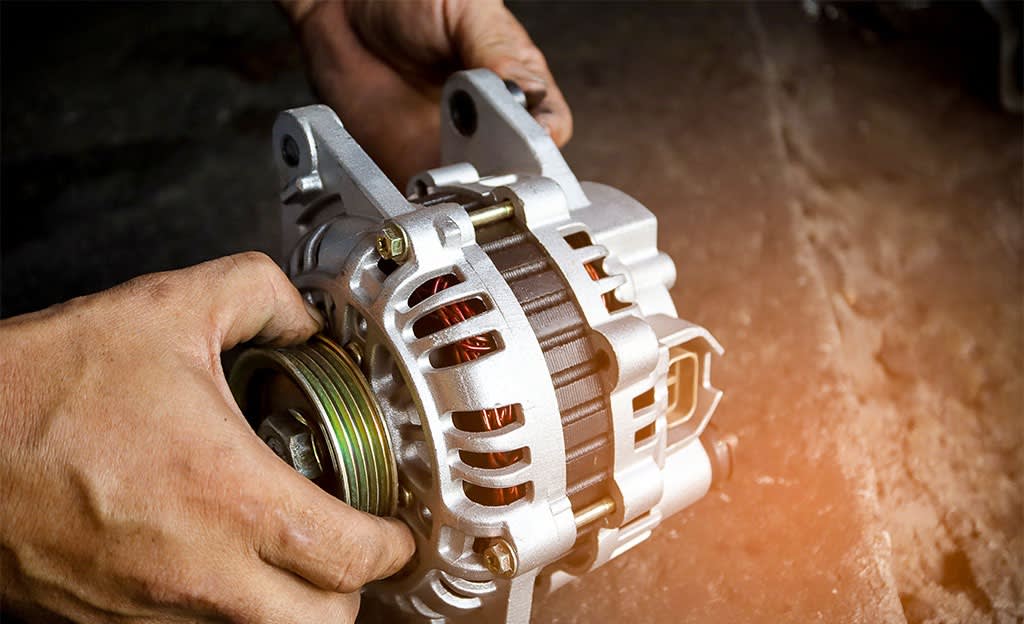
Wondering how to check your car's alternator? You’re not alone! The alternator plays a vital role in keeping your car running smoothly by charging the battery and powering electrical systems. If you suspect there might be an issue, let’s walk through some simple steps you can take to check your alternator.
Why Checking Your Alternator Matters
Keeping an eye on your alternator is essential for several reasons:
• Prevent Breakdown: A failing alternator can leave you stranded with a dead battery.
• Save Money: Identifying issues early can help you avoid costly repairs down the line.
• Maintain Performance: A healthy alternator ensures your vehicle’s electrical systems work properly, from lights to power windows.
Quick Steps to Check Your Alternator
Here’s a straightforward guide to help you check your alternator effectively:
1. Visual Inspection: Start with a simple look around. Check for any loose wires, corrosion on battery terminals, or signs of wear on the alternator itself.
2. Check the Battery: Before testing the alternator, make sure your battery is in good condition. A weak battery can mimic alternator issues. Use a multimeter to check the battery voltage; it should read around 12.6 volts when fully charged.
3. Test the Alternator Output: With the engine running, use the multimeter again to check the voltage at the battery. You should see a reading between 13.8 and 14.2 volts. If it’s lower than this, your alternator may not be functioning properly.
4. Listen for Noises: Pay attention to any unusual sounds from the alternator while the engine is running. A grinding or whining noise could indicate a problem.
5. Check the Dashboard: Keep an eye on the battery warning light on your dashboard. If it illuminates while driving, it could signal an alternator issue.
When to Seek Professional Help
If you’ve gone through these steps and still suspect your alternator is malfunctioning, it might be time to consult a professional. Here are some signs that you should seek help:
• Consistent Warning Lights: If the battery light stays on even after checking the alternator.
• Frequent Dead Batteries: If your battery keeps dying, it’s a sign something is off with the charging system.
• Electrical Problems: Flickering lights or issues with electrical components can indicate an alternator problem.
Wondering if your alternator is failing? Learn how to check it with London Motor Sports!
Visit Our Website: London Motor Sports
Preventing Future Issues
To keep your alternator in good shape, consider these tips:
• Regular Maintenance: Schedule routine check-ups for your vehicle to catch potential issues early.
• Keep Connections Clean: Ensure battery terminals and alternator connections are clean and free of corrosion.
• Watch for Signs: Stay vigilant for any signs of trouble, such as dimming lights or electrical failures.
Conclusion
Checking your car’s alternator doesn’t have to be a daunting task. By following these simple steps, you can gain peace of mind and keep your vehicle running smoothly. If you ever feel unsure, don’t hesitate to reach out for professional assistance.
What’s Next?
If this guide helped you, share it with a friend who might find it useful! And if you have any questions about your car, feel free to ask. We’re here to help you keep your vehicle in top shape!
About the Creator
Ava Jane
I'm Ava Jane, Senior Content Marketing Manager at London Motorsport for over a decade.
How Rapid Tool Evolution Is Reshaping the Software Economy?
Software once followed a predictable rhythm. Programming languages matured slowly, frameworks lasted for years, and tooling changes happened gradually enough for companies to build long-term strategies around them. Developers invested heavily in mastering specific stacks, and organizations relied on stable ecosystems to plan growth.
By Mike Pichai6 days ago in Lifehack
Trickle Them Down, But Not Out
The thing about smart people is that they should know better, but alas, intelligence is not the same as wisdom. Not only do the mistakes of experts too short on vision—when they are not corrected—have the potential to do great and far-reaching damage, but they also undermine public confidence in the very notion of expertise. This is particularly so when expertise is wielded in defence of the rich and powerful as a cudgel against those laid low. As an academic, this lack of faith in “so-called experts” is painful to see as it plays out in the spread of dis-/misinformation, conspiracy theories, and anti-intellectualism writ large. But it is also an understandable impulse given the catastrophic failure of an economic ideology pushed by certain economic experts. Supply-side economics has shaped a broken system for the last half-century and has arguably done more to undermine the fabric of the American Dream than any policy framework of the past century.
By Cory Wright-Maley5 days ago in Humans



Comments
There are no comments for this story
Be the first to respond and start the conversation.