
Top 17 Benefits of Keto Meal Plan
Top tips of benefits for a keto meal plan
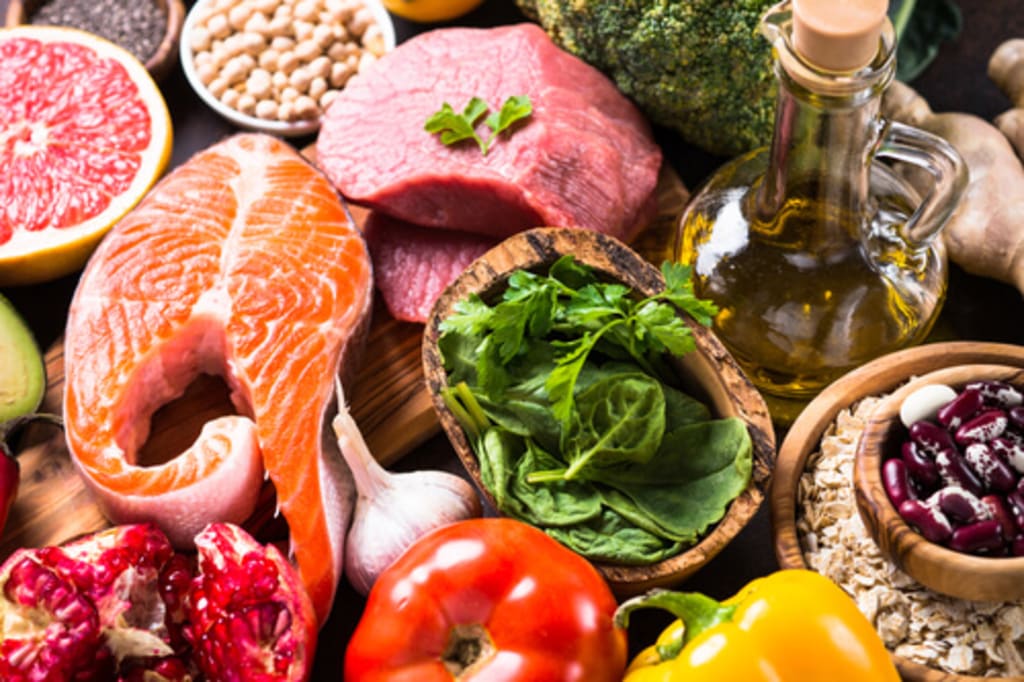
WHAT are the Benefits of Keto Diet?
1. Weight loss: By limiting carbohydrates and increasing fat intake, the ketogenic diet can lead to weight loss, particularly in the short term.
2. Improved blood sugar control: The low-carbohydrate nature of the keto diet can help regulate blood sugar levels, which may benefit those with type 2 diabetes.
3. Reduced inflammation: The high fat intake in the keto diet can help reduce inflammation, which may be beneficial for certain health conditions.
4. Increased energy: Many people report feeling more energetic and mentally focused on the keto diet.
5. Appetite suppression: The high fat and protein intake of the keto diet can help reduce hunger and appetite.
6. Improved cholesterol levels: The keto diet can lead to a reduction in triglycerides and an increase in "good" HDL cholesterol.
7. Reduced acne: Some studies have shown that the low-carbohydrate, high-fat nature of the keto diet may reduce acne.
8. Potential cancer benefits: Some research has suggested that the ketogenic diet may have anti-tumor effects and could potentially be used as a complementary treatment for cancer.
9. Improved heart health: The keto diet can lead to improvements in several markers of heart health, including blood pressure, triglycerides, and cholesterol levels.
10. Potential neurological benefits: The ketogenic diet may be beneficial for certain neurological conditions, such as epilepsy and Alzheimer's disease.
11. Reduced risk of metabolic syndrome: The keto diet may help reduce the risk of developing metabolic syndrome, a cluster of conditions that increase the risk of heart disease, stroke, and type 2 diabetes.
12. Reduced risk of fatty liver disease: The keto diet may help reduce the risk of nonalcoholic fatty liver disease, a condition that is associated with obesity and insulin resistance.
13. Potential anti-aging effects: Some research has suggested that the keto diet may have anti-aging effects by reducing oxidative stress and inflammation in the body.
14. Improved gut health: The keto diet may be beneficial for gut health by promoting the growth of healthy gut bacteria and reducing inflammation in the gut.
15. Increased muscle mass: The high protein intake of the keto diet can help preserve and even increase muscle mass, which may be beneficial for athletes and older adults.
16. Improved sleep: Some people report improved sleep quality and duration on the keto diet, possibly due to the diet's effects on the hormones that regulate sleep.
17. Reduced migraines: Some people with migraines have reported a reduction in frequency and severity of their headaches on the keto diet, possibly due to the diet's effects on inflammation and neurotransmitters in the brain. However, more research is needed to confirm this potential benefit.
Get the ULTIMATE Keto Diet Plan Here
WHAT is Keto Diet?
The ketogenic diet, or keto for short, is a low-carb, high-fat diet that has gained popularity for its potential benefits for weight loss, improved blood sugar control, and even certain neurological conditions.
The keto diet works by inducing a state of ketosis, which occurs when the body burns fat for fuel instead of glucose from carbohydrates. By limiting carbohydrate intake and increasing fat intake, the body shifts its primary energy source from glucose to ketones, which are produced by the liver from fatty acids.
Keto Diet CATEGORY
There are different categories or variations of the ketogenic diet, but they all share the basic principle of restricting carbohydrate intake and increasing fat consumption to induce a state of ketosis. Here are a few examples:
1. Standard ketogenic diet (SKD): This is the most common type of ketogenic diet, where you consume a high-fat, moderate-protein, and low-carbohydrate diet. Typically, the macronutrient ratio is around 70-80% fat, 20-25% protein, and 5-10% carbs.
2. Cyclical ketogenic diet (CKD): This involves alternating periods of a high-carbohydrate diet with periods of the standard ketogenic diet. For example, you may follow the standard keto diet for 5-6 days and then have 1-2 days of high-carb eating.
3. Targeted ketogenic diet (TKD): This allows for a small amount of carbohydrates to be consumed around workouts, to provide fuel for exercise performance while still maintaining a state of ketosis for the rest of the day.
4. High-protein ketogenic diet: This is similar to the standard ketogenic diet, but with a higher proportion of protein, typically around 35% of calories. This can be useful for individuals who are physically active and require more protein for muscle recovery and growth.1.
Get the ULTIMATE Keto Diet Plan Here
Keto Diet Meal?
Foods that are typically included in a keto diet include healthy fats like avocado, olive oil, and fatty fish; protein sources like meat, poultry, and eggs; low-carb vegetables like leafy greens and broccoli; and dairy products like cheese and full-fat Greek yogurt (in moderation).
Are you unsure of how to get started on the keto diet? Get the ULTIMATE Keto Diet Plan Here
About the Creator
Keep reading
More stories from writers in Lifehack and other communities.
Lessons Learned in a Wheel Chair, Singing in the Sunshine 🥀
It starts with love. . . and life . . . Motivational Mantra: Living with Disabilities “To think in terms of either pessimism or optimism oversimplifies the truth. The problem is to see reality as it is.” — Thich Nhat Hạnh
By WILD WAYNE : The Dragon King2 days ago in Lifehack
📢 Raise Your Voice Thread: 01/22/2026
Our “Raise Your Voice Threads” are hosted most alternating Thursdays at 12PM ET to offer creators more avenues to uncover exceptional stories on Vocal. As we are continuously searching for fresh creators and inspiring stories, this thread provides an opportunity to exchange and discuss the stories that have moved and motivated us on Vocal.
By Raise Your Voice by Vocal3 days ago in Resources



Comments
There are no comments for this story
Be the first to respond and start the conversation.