
Top 10 Renovation Mistakes to Avoid When Replacing Flooring
Avoid Costly Blunders with These Expert Tips for a Smooth and Stylish Flooring Upgrade
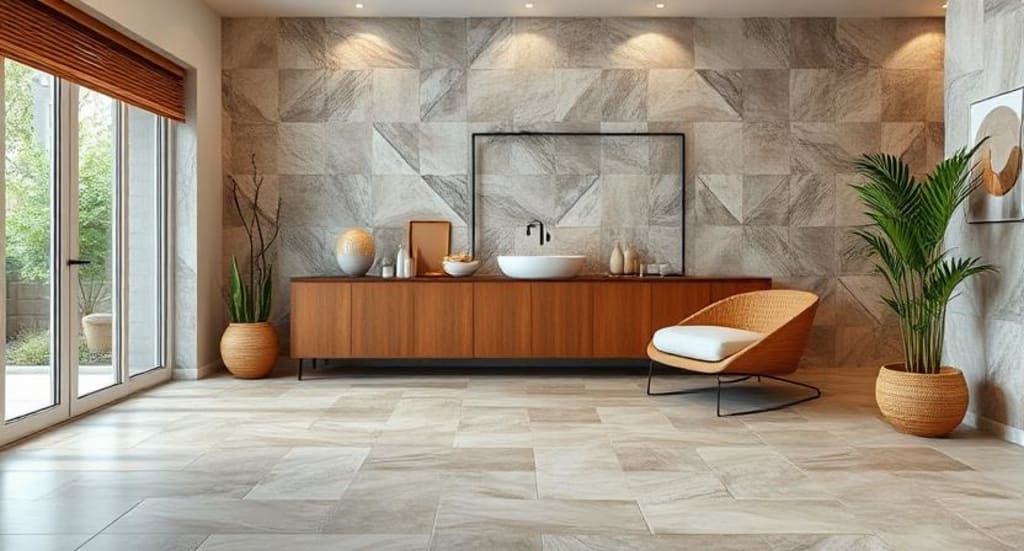
Replacing the flooring in your home is a transformative project that can enhance both the aesthetic appeal and functionality of your space. However, it’s a complex task that requires careful planning, precise execution, and informed decision-making. Many homeowners, eager to refresh their interiors, fall into common traps that can lead to costly repairs, delays, or disappointing results. To help you achieve a flawless flooring renovation, this article outlines the top 10 mistakes to avoid when replacing flooring, along with practical strategies to ensure success.
1. Not Preparing the Subfloor Properly
The subfloor serves as the foundation for your new flooring, and its condition directly impacts the quality and longevity of the installation. A poorly prepared subfloor can cause a range of issues, from uneven surfaces to squeaky floors or even premature failure of the new material.
- Why It’s a Mistake: Dirt, debris, old adhesive, or unevenness in the subfloor can prevent the new flooring from adhering properly or lying flat. For example, leftover adhesive from old flooring can interfere with the bonding of new tiles, while an uneven subfloor can cause hardwood planks to shift or creak over time.
- How to Avoid It: Before installation, thoroughly clean the subfloor to remove dust, dirt, or remnants of previous flooring materials. For concrete subfloors, ensure they are smooth, dry, and free of cracks—fill any imperfections with a suitable patching compound. For wood subfloors, check for loose boards, rot, or damage, and secure or replace them as needed. Use a level to confirm the subfloor is even, and sand or plane high spots if necessary. A well-prepared subfloor ensures a stable base for your new flooring.
2. Ignoring Moisture Issues
Moisture is one of the greatest threats to flooring, particularly in areas prone to dampness, such as bathrooms, kitchens, or basements. Installing flooring over a damp subfloor can lead to significant damage over time.
- Why It’s a Mistake: Materials like hardwood, laminate, or even some types of vinyl are highly sensitive to moisture. Excess moisture can cause warping, buckling, or mold growth beneath the flooring, leading to costly repairs or replacements. For instance, hardwood installed in a damp basement without proper precautions may swell and deform within months.
- How to Avoid It: Test the subfloor for moisture before installation. For concrete subfloors, use a moisture meter or perform a calcium chloride test to measure moisture levels. If levels are high, identify and address the source of the moisture, such as leaks or poor ventilation, and allow the subfloor to dry completely. For wood subfloors, inspect for signs of water damage or rot. In high-moisture areas, consider installing a vapor barrier or moisture-resistant underlayment to protect the flooring.
3. Choosing the Wrong Flooring Material
Selecting the appropriate flooring material for each room is critical to the success of your renovation. Different materials have unique properties, and choosing one that doesn’t suit the space can lead to practical and aesthetic issues.
- Why It’s a Mistake: Installing a material that doesn’t match the room’s function or environment can result in premature wear or maintenance challenges. For example, carpet in a bathroom is prone to mold, while softwood flooring in a high-traffic hallway may scratch easily.
- How to Avoid It: Evaluate the specific needs of each room. For high-traffic areas like living rooms or hallways, opt for durable materials such as hardwood, laminate, or luxury vinyl plank. In wet areas like bathrooms or kitchens, choose water-resistant options like ceramic tile or luxury vinyl. Consider the room’s aesthetic and how the flooring complements your home’s overall style. Research the pros and cons of each material, and test samples in the space to ensure they meet your expectations for both function and appearance.
4. Settling for Low-Quality Material
While budget constraints are a reality for many homeowners, opting for low-quality flooring materials to save money can backfire in the long run.
- Why It’s a Mistake: Cheaper materials often lack the durability and finish of higher-quality options, leading to scratches, fading, or wear in a short time. For instance, low-grade laminate may peel or chip under heavy use, requiring replacement sooner than expected.
- How to Avoid It: Invest in high-quality flooring that offers better durability and longevity. Look for materials with strong warranties, as these often indicate confidence in the product’s performance. Read reviews from other homeowners to gauge real-world durability and appearance over time. While higher-quality materials may have a higher upfront cost, they can save money by reducing the need for frequent repairs or replacements.
5. Incorrect Measurements
Accurate measurements are essential for determining how much flooring material you need and ensuring a seamless installation. Miscalculations can disrupt the project and increase costs.
- Why It’s a Mistake: Underestimating the amount of material needed can cause delays if you run out mid-installation, while overestimating leads to unnecessary waste and expense. Inaccurate measurements can also result in poorly fitted flooring, with gaps or uneven cuts.
- How to Avoid It: Measure the room multiple times to confirm accuracy, accounting for obstacles like doorways, vents, or irregular shapes. Use a tape measure and, if possible, create a detailed sketch of the space. When ordering materials, add an extra 10-15% to account for cuts, waste, or errors. For complex layouts, consider using digital tools or consulting a professional to ensure precise calculations.
6. Not Acclimating Materials
Certain flooring materials, such as hardwood and laminate, need to adjust to the room’s temperature and humidity before installation to prevent issues after the fact.
- Why It’s a Mistake: Without proper acclimation, these materials can expand or contract after installation, leading to gaps, buckling, or warping. For example, hardwood planks installed without acclimation may shrink in dry conditions, creating unsightly gaps.
- How to Avoid It: Open the flooring boxes and let the materials sit in the room where they will be installed for at least 48 hours, ideally 72 hours, before starting the project. Ensure the room’s temperature and humidity are consistent with normal living conditions during this period. This allows the materials to stabilize, reducing the risk of post-installation issues.
7. Attempting to DIY Without Proper Skills
While DIY projects can be cost-effective and rewarding, flooring installation is a complex task that requires specific skills and tools. Attempting it without adequate experience can lead to poor results.
- Why It’s a Mistake: Improper installation can result in floors that don’t lay flat, have gaps, or make noise when walked on. For example, incorrectly installed tiles may crack, or poorly laid hardwood may shift over time, requiring professional repairs.
- How to Avoid It: Honestly assess your skills and experience. If you’re new to flooring installation, consider hiring a professional, especially for materials like hardwood or tile that require precision. If you choose to DIY, invest in the necessary tools, such as a tile cutter or flooring nailer, and follow the manufacturer’s installation instructions carefully. Many manufacturers provide detailed guides or videos to assist with the process.
8. Choosing the Wrong Contractor
If you opt for professional installation, selecting the right contractor is crucial to the success of your project. A poor choice can lead to substandard work or unexpected costs.
- Why It’s a Mistake: An inexperienced or unreliable contractor may cut corners, use improper techniques, or fail to complete the job to your satisfaction. This can result in uneven floors, improper sealing, or even the need for a complete redo.
- How to Avoid It: Research contractors thoroughly before hiring. Verify their licenses and insurance, and ask for references from past clients. Look for online reviews and request examples of previous work, particularly with the type of flooring you’re installing. Obtain multiple quotes to compare pricing, but don’t automatically choose the lowest bid—prioritize experience and quality. A reputable contractor will communicate clearly and provide a detailed contract outlining the scope of work.
9. Skipping Necessary Steps, Like Adding a Membrane in Wet Areas
In moisture-prone areas like bathrooms, kitchens, or laundry rooms, installing a moisture barrier or membrane under the flooring is essential to prevent water damage.
- Why It’s a Mistake: Without a proper membrane, water can seep into the subfloor, causing rot, mold, or damage to the flooring material. For example, tile installed without a waterproof membrane in a bathroom may allow water to penetrate, leading to subfloor damage.
- How to Avoid It: Always include a moisture barrier or underlayment designed for wet areas when installing flooring in high-moisture environments. Ensure the membrane is properly sealed and installed according to manufacturer guidelines. This extra step adds a layer of protection and can prevent costly repairs in the future.
10. Not Considering the Renovation Order
The timing of your flooring installation within a broader renovation project can significantly impact its success. Installing flooring too early can expose it to damage from other work.
- Why It’s a Mistake: Flooring installed before tasks like painting, cabinet installation, or plumbing can be scratched, stained, or otherwise damaged by heavy foot traffic, spills, or tools. For instance, paint drips or construction debris can ruin a newly installed floor.
- How to Avoid It: Plan your renovation timeline carefully, scheduling flooring installation toward the end of the project. Complete tasks that involve heavy materials, wet substances, or significant foot traffic—such as painting or cabinet installation—before laying the new floors. Protect the flooring area by covering it with drop cloths or temporary coverings if other work must occur afterward.
Additional Tips for a Successful Flooring Renovation
Beyond avoiding these specific mistakes, consider the following strategies to ensure a smooth project:
- Research Thoroughly: Take time to explore flooring options, visiting showrooms or testing samples in your home to see how they look under your lighting conditions.
- Set a Realistic Budget: Account for materials, labor, and unexpected costs, such as subfloor repairs or additional underlayment.
- Plan for Disruption: Flooring installation can be disruptive, so arrange to move furniture and, if necessary, temporarily relocate to minimize inconvenience.
- Maintain Your New Floors: Follow manufacturer guidelines for cleaning and maintenance to keep your floors looking their best for years.
Choosing the Right Flooring Material: Cost, Pros, Cons, and Best Uses
When selecting flooring for your renovation, each material comes with its own balance of cost, durability, and aesthetic appeal.
Hardwood flooring typically ranges from $6 to $21 per square foot and offers timeless elegance, strong durability, and increased home value. However, it can be expensive, requires regular maintenance, and is not ideal for high-moisture areas, making it best suited for living rooms and dining rooms.
Laminate is a more affordable option at $1 to $3 per square foot. It mimics the look of wood or stone and is easy to install and maintain, although it's not waterproof and less durable than hardwood. It's a practical choice for bedrooms and home offices.
Vinyl flooring, ranging from $1 to $7 per square foot, is extremely versatile and water-resistant. It can mimic the appearance of more expensive materials and is easy to install. While it may not feel as luxurious and can fade in direct sunlight, it's a popular choice for kitchens, bathrooms, and entryways due to its resilience.
Tile flooring, priced from $1 to $10 or more per square foot, is known for its durability, water resistance, and wide range of design options. However, it can be cold underfoot and may involve complex installation. It's ideal for kitchens and bathrooms.
Carpet, ranging from $2.50 to $12 per square foot, provides warmth and comfort underfoot. While it’s great for bedrooms and living rooms, it can be difficult to clean and is not suitable for moisture-prone areas.
Conclusion
Replacing flooring is a significant investment that can dramatically improve your home’s appearance and value, but it requires careful planning and execution to avoid common pitfalls. By preparing the subfloor properly, addressing moisture issues, choosing the right materials, and timing the installation correctly, you can achieve a beautiful, durable result. Whether you choose to DIY or hire a professional, take the time to research, plan, and execute each step thoughtfully. With these precautions, your new floors will enhance your home for years to come.
About the Creator
Keep reading
More stories from Flooring Tips and writers in Lifehack and other communities.
Modern vs. Traditional Tile Designs: What’s Right for You?
Tiles are a cornerstone of home design, offering both aesthetic appeal and practical functionality. Whether you’re updating a kitchen backsplash, renovating a bathroom, or laying new flooring, choosing between modern and traditional tile designs can significantly shape your space. This guide explores the characteristics, materials, patterns, and trends of both styles, helping you decide which is best for your home.
By Flooring Tips9 months ago in Lifehack




Comments
There are no comments for this story
Be the first to respond and start the conversation.