
Modern vs. Traditional Tile Designs: What’s Right for You?
Discover the key differences between modern and traditional tile styles to find the perfect match for your space, lifestyle, and design goals.
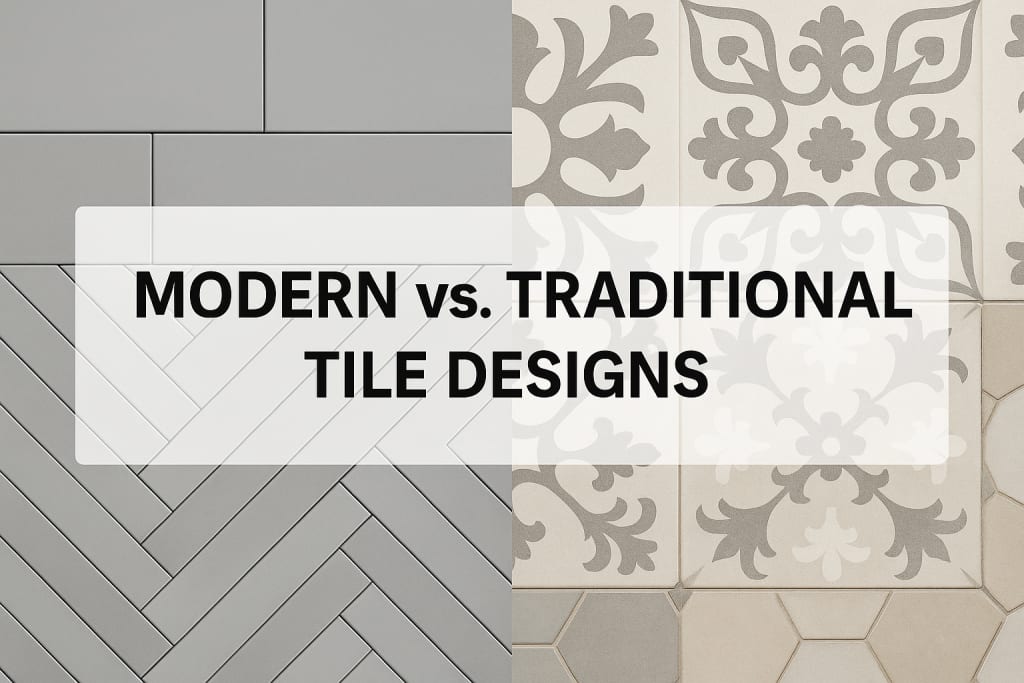
Tiles are a cornerstone of home design, offering both aesthetic appeal and practical functionality. Whether you’re updating a kitchen backsplash, renovating a bathroom, or laying new flooring, choosing between modern and traditional tile designs can significantly shape your space. This guide explores the characteristics, materials, patterns, and trends of both styles, helping you decide which is best for your home.
Understanding Traditional Tile Designs
Traditional tile designs are synonymous with timeless elegance and warmth. They evoke a sense of history and comfort, making them ideal for classic, rustic, or vintage homes. Here’s what defines them:
- Color Palette: Traditional tiles feature warm, earthy tones like browns, grays, creams, and beiges, often complemented by rich hues such as dark reds or deep greens. These colors create a cozy, inviting atmosphere.
- Patterns and Arrangements: Symmetry is key, with intricate patterns like florals, paisleys, scrollwork, or geometric designs such as herringbone and brick layouts. Various shapes and sizes add depth and character.
- Materials: Natural stone, including marble, travertine, and terracotta, is a hallmark of traditional tiles. Ceramic tiles with detailed designs also mimic the look of stone, offering durability and elegance.
- Architectural Fit: These tiles complement homes with ornate moldings, classic furniture, or vintage aesthetics, enhancing the space’s historical charm.
- Appeal: Traditional tiles bring warmth and personality, making spaces feel lived-in and welcoming, perfect for homeowners who value heritage and coziness.
Understanding Modern Tile Designs
Modern tile designs prioritize simplicity, sophistication, and a contemporary aesthetic. They are well-suited for minimalist, industrial, or art deco homes. Key characteristics include:
- Color Palette: Modern tiles often use minimalist whites and grays as a clean backdrop, with bold colors like blues or greens used sparingly for impact. White is particularly dominant for its versatility.
- Patterns and Arrangements: Asymmetry and clean lines define modern tiles. Linear or geometric patterns, large-format tiles, and irregular arrangements like off-center mosaics create a sleek look.
- Materials: Porcelain, glazed ceramic, glass, and metal accents are common. Porcelain is favored for its durability, while glass adds a reflective, luxurious touch.
- Architectural Fit: Modern tiles harmonize with sleek lines, open spaces, and minimalist structures, making them ideal for contemporary homes
- Appeal: These tiles emphasize openness and simplicity, allowing other design elements like furniture or artwork to stand out.
Comparing Traditional and Modern Tiles
To make an informed choice, consider how traditional and modern tiles differ across key aspects:
🎨 Color
Traditional tiles typically feature warm, earthy tones like terracotta, beige, and deep greens or reds. Modern tiles lean toward a neutral palette, favoring whites, grays, and occasionally bold accent colors like black or navy.
📐 Arrangement
In traditional designs, tiles are often laid in symmetrical, orderly patterns, sometimes forming intricate motifs. Modern tile layouts embrace asymmetry and simplicity, often using large-format tiles or linear patterns for a clean, expansive look.
🌀 Patterns
Expect ornate and decorative patterns—such as florals, paisleys, and geometrics—in traditional styles. Modern tiles usually feature minimalist, clean-lined designs with little to no embellishment.
🧱 Materials
Traditional tiles are often crafted from natural stone like marble, travertine, or terracotta. Modern tile options include porcelain, ceramic, glass, and even metal, offering a wide range of textures and finishes.
🏠 Architectural Fit
Traditional tile designs pair beautifully with classic, rustic, or vintage interiors. Modern tiles are best suited for minimalist, industrial, or contemporary spaces, where clean lines and open layouts dominate.
🔥 Warmth
Traditional tiles tend to bring a cozy, inviting feel thanks to their natural textures and tones. Modern designs usually feel sleek and cool, with a more refined and sophisticated aesthetic.
🛠️ Durability
Both types are durable, but traditional tiles—especially those made from stone—are known for long-lasting strength. Modern tiles, particularly porcelain, also offer high durability and are great for high-traffic areas.
🧼 Maintenance
Traditional stone tiles may require sealing and more care to maintain their finish. Modern tiles like porcelain or ceramic are low-maintenance, easy to clean, and resistant to staining and moisture.
💰 Cost
Traditional tiles often come at a higher price, especially those made from natural materials. Modern tiles offer more budget flexibility, with affordable porcelain and vinyl options available.
2025 Tile Design Trends
Staying updated on tile trends can inspire your choice. Here are the top trends for 2025:
- Stone and Stone-Look Tiles: Natural stone remains timeless, but stone-look porcelain or ceramic tiles offer affordability and durability. Examples include Phoenix Hexagon Taupe.
- Wood-Look Tiles: These mimic wood’s warmth but are easier to maintain, ideal for both styles. Examples include Ala Timber Pigeon Grey.
- Matte Finishes: Non-reflective matte tiles in porcelain or ceramic create a soft, calming look, like Riche Lafayette French Leon.
- Large-Format Tiles: These reduce grout lines for a seamless, modern appearance, popular in contemporary designs.
- Geometric and Mosaic Patterns: Modern geometric tiles or traditional mosaics add visual interest, such as Denver Hexagon Green.
- Bold Colors: Vibrant hues like blues, greens, or yellows make a statement, often used as accents in modern designs.
- Vinyl Tiles: Affordable and durable, vinyl is great for high-traffic areas, like V-Lux Vein Cut Beige.
- Glass Tiles: Reflective and easy to clean, glass tiles suit low-traffic areas like backsplashes, such as Oceanique High Tide Teal Green.
- Sustainable Options: Eco-friendly tiles made from recycled materials are gaining traction for environmentally conscious homeowners.
How to Choose the Right Tile Design
Selecting between traditional and modern tiles involves balancing aesthetics, functionality, and personal preferences:
- Home Style: Traditional tiles enhance classic or vintage homes with intricate details, while modern tiles suit minimalist or industrial spaces with clean lines.
- Room Function: High-traffic areas like kitchens benefit from durable stone (traditional) or low-maintenance porcelain (modern). Bathrooms may favor water-resistant glass or ceramic.
- Personal Taste: Traditional tiles appeal to those who love warmth and heritage, while modern tiles attract those who prefer sleek, contemporary aesthetics.
- Budget: Natural stone tiles can be costly, while porcelain or vinyl offers budget-friendly modern options.
- Maintenance: Modern tiles like porcelain require less upkeep, while traditional stone may need periodic sealing.
Blending Traditional and Modern Tiles
You don’t have to choose one style exclusively. Blending traditional and modern tiles can create a unique, balanced look:
- Use traditional herringbone flooring with modern glass backsplash tiles for contrast.
- Pair traditional marble with modern large-format porcelain for a timeless yet contemporary feel.
- Incorporate bold modern colors as accents in a traditional space to add a fresh twist.
This approach allows you to combine the warmth of traditional designs with the sleekness of modern ones, creating a personalized space.
Examples and Case Studies
- Traditional Home: A Victorian-style home with ornate moldings might feature marble herringbone tiles in the foyer, paired with cream-colored ceramic tiles in the kitchen for a cohesive, classic look.
- Modern Apartment: A minimalist loft could use large-format porcelain tiles in gray for the living area, with a glass mosaic backsplash in the kitchen for a touch of luxury.
- Blended Design: A transitional-style home might combine a traditional brick-patterned terracotta floor with modern white subway tiles in the bathroom, creating a balanced aesthetic.
Conclusion
Choosing between modern and traditional tile designs depends on your home’s style, your personal taste, and practical considerations like durability and maintenance. Traditional tiles offer warmth, intricate patterns, and timeless materials, while modern tiles provide sleek lines, minimalist designs, and versatile materials. By exploring 2025 trends like wood-look tiles, matte finishes, and bold colors, you can find inspiration for either style or a creative blend of both. Visit your local tile retailers or consult a design professional to explore options and transform your space.
About the Creator
Keep reading
More stories from Flooring Tips and writers in Lifehack and other communities.
Top Tile Trends of 2025: What’s In and What’s Out
As 2025 unfolds, the world of interior design continues to evolve, and tiles remain a cornerstone of stylish, functional spaces. From kitchens to bathrooms, living rooms to outdoor patios, tiles set the tone for aesthetics and practicality. This year’s tile trends reflect a blend of innovation, sustainability, and bold creativity, while some older styles are fading into the background. Whether you’re renovating a home or designing a commercial space, staying ahead of the curve means knowing what’s in and what’s out. Here’s a comprehensive look at the top tile trends shaping 2025.
By Flooring Tips10 months ago in Lifehack
Building Influence in a Remote Team
In traditional office environments, influence often developed naturally through proximity. People who spoke confidently in meetings, participated in hallway discussions, or regularly interacted with leadership often gained recognition and influence simply because they were visible.
By Bahati Mulishiabout 20 hours ago in Lifehack
The Politics of Playing Dress-Up
Well, to start off I'd like to say a happy world book day to all who celebrate. I know I haven't really posted anything on my socials about it but I'm not a jubilant kind of person. I lay low most of the time. Let's start off with a popular anecdote from the vaults...
By Annie Kapur7 days ago in Geeks


Comments
There are no comments for this story
Be the first to respond and start the conversation.