
Top 10 Healthiest Vegetables: A Nutritional Powerhouse
Nutritional Powerhouse

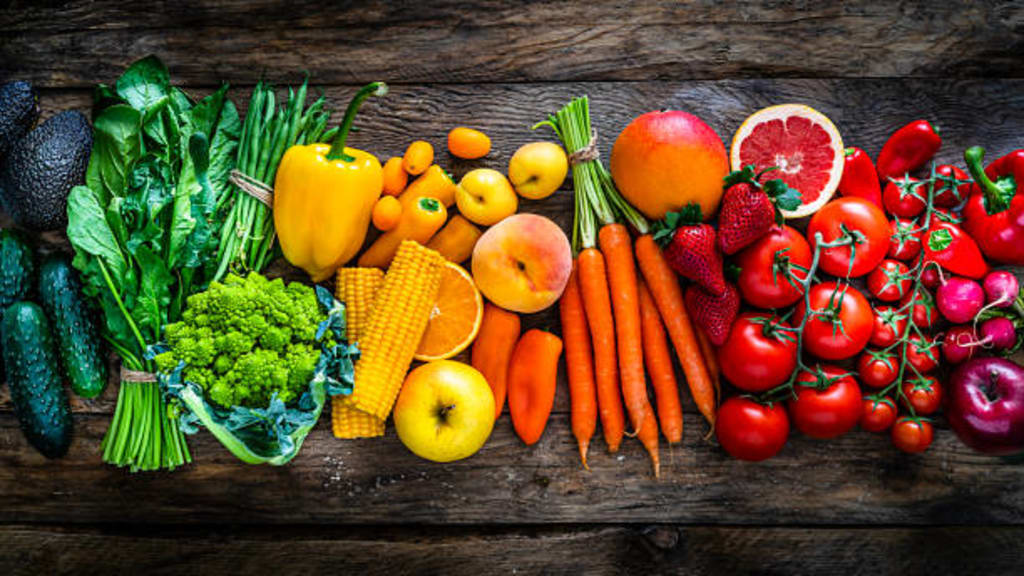
Top 10 Healthiest Vegetables: A Nutritional Powerhouse 🥦🥕🥬🍅🥒🫑🍆🌶️🧅🧄
Nature's Superfoods: A Veggie Lover's Guide to Optimal Health
Vegetables, the vibrant and versatile stars of the plant kingdom, are packed with essential vitamins, minerals, and fiber. Incorporating a variety of vegetables into your diet can significantly boost your overall health and well-being. Let's explore the top 10 healthiest vegetables that you should consider adding to your meals:
1. Spinach: The Iron-Rich Green 🥬
Spinach is a leafy green vegetable that is packed with nutrients. It is an excellent source of iron, vitamin K, and folate.
Iron-Rich: Spinach helps boost iron levels in the body, preventing anemia and fatigue.
Bone Health: Vitamin K in spinach promotes bone health and reduces the risk of fractures.
Antioxidant Powerhouse: Spinach is rich in antioxidants that protect cells from damage caused by free radicals.
2. Broccoli: The Cruciferous Crusader 🥦
Broccoli is a cruciferous vegetable that is packed with nutrients. It is a good source of fiber, vitamin C, and potassium.
Cancer-Fighting Properties: Broccoli contains compounds that may help protect against certain types of cancer.
Digestive Health: The fiber in broccoli promotes healthy digestion and prevents constipation.
Heart Health: The potassium in broccoli helps regulate blood pressure and reduce the risk of heart disease.
3. Kale: The Nutrient-Dense Dynamo 🥬
Kale is a leafy green vegetable that is packed with nutrients. It is a good source of vitamins A, C, and K, as well as fiber and antioxidants.
Eye Health: The vitamin A in kale is essential for good vision.
Strong Bones: The vitamin K in kale helps improve bone health.
Antioxidant Powerhouse: The antioxidants in kale help protect cells from damage.
4. Carrots: The Visionary Veggie 🥕
Carrots are a good source of vitamin A, which is essential for good vision. They are also a good source of fiber and antioxidants.
Improved Vision: The beta-carotene in carrots is converted into vitamin A, which is essential for good eyesight.
Digestive Health: The fiber in carrots promotes healthy digestion.
Antioxidant Protection: The antioxidants in carrots help protect cells from damage.
5. Tomatoes: The Red Powerhouse 🍅
Tomatoes are a good source of vitamin C, potassium, and lycopene, a powerful antioxidant.
Heart Health: The lycopene in tomatoes can help reduce the risk of heart disease.
Skin Health: The vitamin C in tomatoes can help protect the skin from damage caused by free radicals.
Digestive Health: The fiber in tomatoes promotes healthy digestion.
6. Sweet Potatoes: The Nutrient-Dense Root 🍠
Sweet potatoes are a good source of fiber, vitamin A, and potassium. They are also low in calories and high in nutrients.
Improved Digestion: The fiber in sweet potatoes promotes healthy digestion.
Boosted Immunity: The vitamin C in sweet potatoes helps boost the immune system.
Healthy Skin: The beta-carotene in sweet potatoes can help improve skin health.
7. Bell Peppers: The Colorful Crunch 🫑
Bell peppers are a good source of vitamin C, vitamin A, and potassium. They are also low in calories and high in fiber.
Immune Booster: The vitamin C in bell peppers helps boost the immune system.
Antioxidant Powerhouse: The antioxidants in bell peppers help protect cells from damage.
Digestive Health: The fiber in bell peppers promotes healthy digestion.
8. Brussels Sprouts: The Mini Cabbages 🥦
Brussels sprouts are a good source of fiber, vitamin C, and potassium. They are also a good source of folate, which is important for cell growth and development.
Heart Health: The fiber and potassium in Brussels sprouts can help lower cholesterol levels and reduce the risk of heart disease.
Cancer Prevention: The compounds in Brussels sprouts may help protect against certain types of cancer.
Improved Digestion: The fiber in Brussels sprouts promotes healthy digestion.
9. Onions: The Flavorful Ally 🧅
Onions are a good source of vitamin C, potassium, and fiber. They also contain compounds that may help reduce inflammation.
Heart Health: The potassium in onions can help lower blood pressure and reduce the risk of heart disease.
Anti-Inflammatory Properties: The compounds in onions can help reduce inflammation in the body.
Digestive Health: The fiber in onions promotes healthy digestion.
10. Garlic: The Flavorful Fighter 🧄
Garlic is a good source of allicin, a compound with powerful anti-inflammatory and antimicrobial properties.
Heart Health: The allicin in garlic can help lower cholesterol levels and reduce the risk of heart disease.
Immune Booster: The allicin in garlic can help boost the immune system.
Anti-Inflammatory Properties: The allicin in garlic can help reduce inflammation in the body.
By incorporating these top 10 healthiest vegetables into your diet, you can reap the numerous benefits they offer. Remember, variety is key, so try to eat a rainbow of colorful vegetables to ensure you're getting a wide range of nutrients.
About the Creator
The Consequence of Greed
Snowfall had turned the lush green trees of the forest completely white. It was the heart of winter, and as soon as the snow began to fall, a deep silence spread through the jungle. The animals who had wisely stored food before the cold arrived were now resting comfortably in their homes, eating and drinking without worry. But those who had made no preparations were shivering in the freezing weather, wandering around in search of food.
By Sudais Zakwan6 days ago in Lifehack
The Hidden Traps in UK VAT That Cost Small Businesses Thousands
Every year, thousands of UK small businesses face unexpected tax bills, penalties, and sleepless nights over VAT mistakes they didn't even know they were making. The numbers tell a sobering story: HMRC issued over £800 million in VAT penalties in 2023 alone, with small businesses bearing a disproportionate share of that burden.
By Saifullah Awan 23 days ago in Lifehack
Rachel Reviews: The Spiral Archive by Pieter Hendrik
It's difficult for me to know where to start with a review of this book as it was, for me, an entirely unique experience and one that I'll probably never have again. I don't want that to be interpreted as unenjoyable but it has left me scratching my head a little and ruminating on its content, its themes and its characters.
By Rachel Deeming6 days ago in BookClub




Comments
There are no comments for this story
Be the first to respond and start the conversation.