
Tooth Fillings and Allergies: What You Need to Know
Tooth Filling
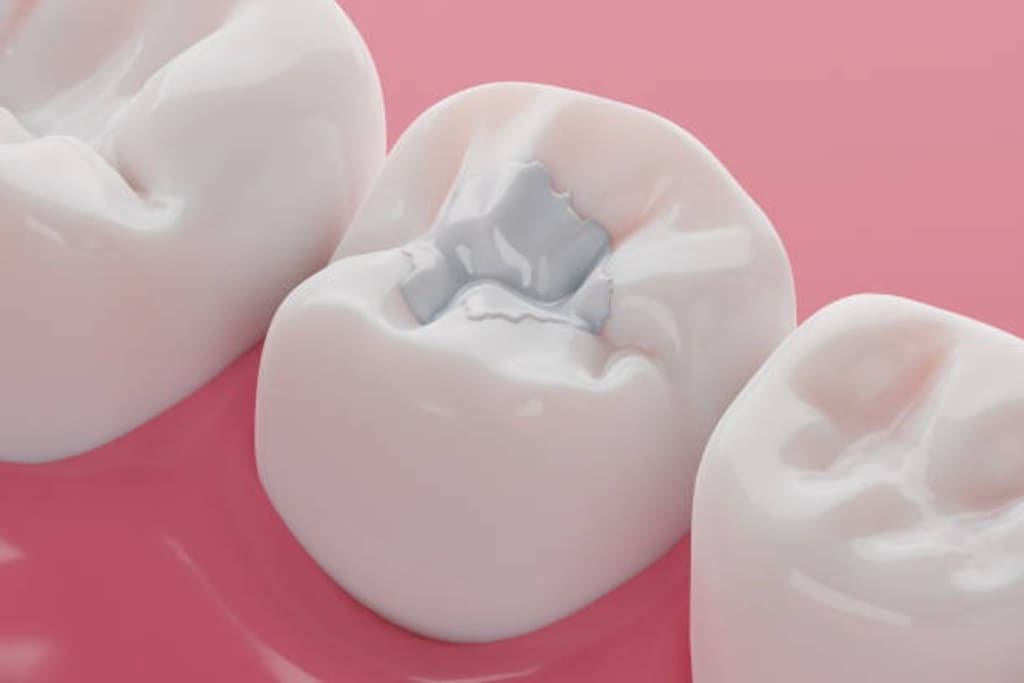
Tooth Filling are a common solution for repairing teeth damaged by decay, trauma, or wear. While fillings are generally safe and effective, some individuals may experience allergic reactions to the materials used. Understanding the potential for allergic reactions, recognizing symptoms, and knowing your options can help you make informed decisions about your dental care.
Types of Tooth Filling Materials:
Amalgam Fillings:
Composition: Made from a mixture of metals, including mercury, silver, tin, and copper.
Allergy Concerns: Allergies to amalgam fillings are rare, but some individuals may react to mercury or other metals in the alloy.
Composite Resin Fillings:
Composition: Made from a blend of plastic and fine glass particles. These fillings can be color-matched to your natural teeth.
Allergy Concerns: Allergic reactions to composite resins are uncommon but possible. Some individuals might react to chemicals like bisphenol-A (BPA) used in the resin.
Ceramic Fillings:
Composition: Made from porcelain or similar materials. These are durable and provide an aesthetic match to natural teeth.
Allergy Concerns: Ceramic fillings are generally considered hypoallergenic, making them a good choice for individuals with metal allergies.
Gold Fillings:
Composition: Made from a gold alloy, which includes gold, copper, and other metals.
Allergy Concerns: Allergies to gold fillings are rare. However, some individuals might react to other metals in the alloy, such as nickel.
Glass Ionomer Fillings:
Composition: Made from a blend of glass and acrylic. These are often used in areas that do not endure heavy chewing pressure.
Allergy Concerns: Allergic reactions to glass ionomer materials are very rare.
Recognizing Allergic Reactions:
Local Reactions:
Symptoms: Redness, itching, swelling, or a rash in the area around the filling. These reactions are typically localized to the mouth or surrounding skin.
Systemic Reactions:
Symptoms: More severe reactions can include difficulty breathing, hives, or swelling of the lips, tongue, or face. These symptoms are less common but require immediate medical attention.
Delayed Reactions:
Allergic reactions might not appear immediately. Symptoms can develop days or even weeks after the placement of a filling.
Managing Allergies to Tooth Fillings:
Consult Your Dentist:
Before Treatment: Inform your dentist of any known allergies or sensitivities. Your dentist can choose a filling material that is less likely to cause an allergic reaction.
Patch Testing: If you have a history of allergies, your dentist might recommend a patch test to check for reactions to the materials used in fillings.
Choosing the Right Material:
Hypoallergenic Options: If you have metal allergies, consider metal-free options like composite resins, ceramic, or glass ionomer fillings.
BPA-Free Composites: For those sensitive to BPA, ask your dentist about BPA-free composite resins.
Post-Treatment Care:
Monitoring: After receiving a filling, keep an eye on the area for any signs of allergic reactions. Report any unusual symptoms to your dentist promptly.
Pain Management: Use over-the-counter pain relievers if needed, but contact your dentist if pain or discomfort persists.
Replacement of Fillings:
If Necessary: If you experience an allergic reaction to a filling, your dentist can replace it with a different material. This process typically involves removing the old filling, cleaning the cavity, and placing a new filling.
Preventive Measures:
Regular Dental Check-ups:
Routine Visits: Regular check-ups allow your dentist to monitor the condition of your fillings and identify any potential issues early.
Professional Advice: Your dentist can provide guidance on materials and care to prevent allergic reactions and other complications.
Oral Hygiene:
Good Practices: Maintain good oral hygiene to prevent decay and reduce the need for fillings. Brush and floss regularly and avoid habits that can damage your fillings.
Consider Alternatives:
For Sensitive Individuals: If you have a history of allergies or sensitivities, discuss alternative restorative options with your dentist, such as crowns or inlays, which can be made from hypoallergenic materials.
Conclusion:
Allergic reactions to tooth filling materials are rare but possible. Being proactive in discussing your sensitivities with your dentist, choosing the right materials, and monitoring your response to treatment can help minimize risks and ensure a successful dental restoration. With careful management and the right choices, you can maintain a healthy, comfortable smile without compromising your health.
About the Creator
Keep reading
More stories from anaya george and writers in Lifehack and other communities.
The Benefits of Early Intervention with Dental Tooth Fillings in Dubai
Maintaining good oral health is crucial for overall well-being, and early intervention in dental care plays a significant role in preserving the integrity of your teeth. Dental Tooth Filling, where dental care standards are high, early intervention with tooth fillings can make a substantial difference in preventing more severe dental issues. By addressing cavities and tooth decay at an early stage, patients can avoid more complex treatments, reduce the risk of further damage, and maintain a healthy, confident smile.
By anaya georgeabout a year ago in Lifehack
10 Questions to Ask a Painter Before You Sign a Contract
Hiring a painter may seem straightforward, but many Australian homeowners and business owners only realise the risks after they sign a contract. Poor preparation, vague quotes, and unclear responsibilities often lead to budget overruns, delays, or substandard results.
By Anshul Vijay7 days ago in Lifehack



Comments
There are no comments for this story
Be the first to respond and start the conversation.