
Toenail Fungus: A Persistent Intruder of Our Feet
An alarm that your entire body is under mortal attack
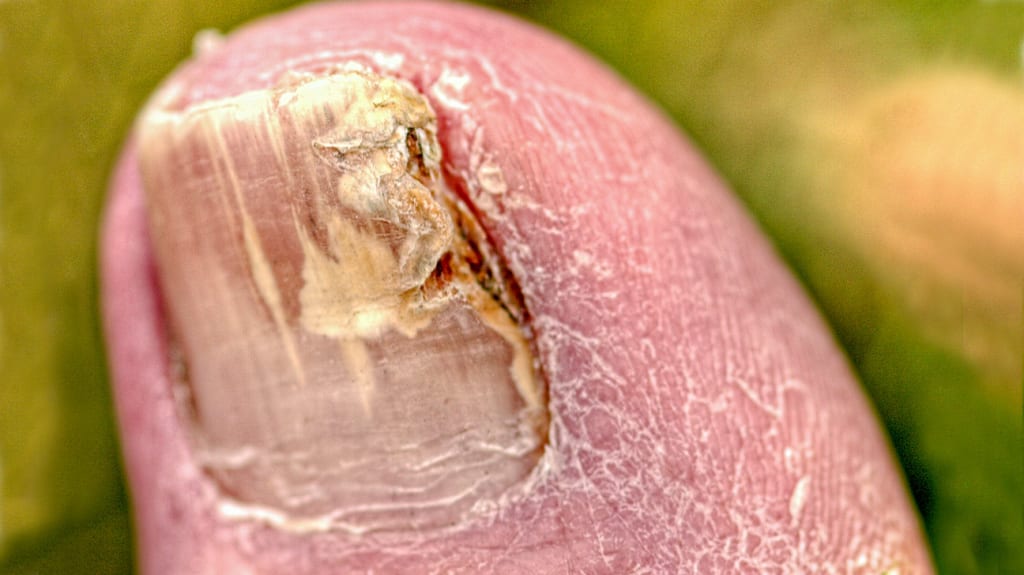
Toenail fungus, scientifically known as onychomycosis, is a prevalent and persistent fungal infection that affects millions of people worldwide. Often regarded as a cosmetic concern, this seemingly harmless condition can significantly impact an individual's quality of life. Understanding the causes, symptoms, treatment options, and prevention measures associated with toenail fungus is crucial for those affected and those seeking to avoid it.
Causes and Risk Factors:
Toenail fungus is primarily caused by various types of fungi, most commonly dermatophytes, which thrive in warm, moist environments. These fungi find ideal breeding grounds inside shoes, socks, and public places like pools, locker rooms, and communal showers. However, not everyone who comes into contact with the fungi will develop an infection. Certain risk factors increase susceptibility to toenail fungus, such as a weakened immune system, a history of athlete's foot, nail injuries, chronic diseases like diabetes, aging, and poor foot hygiene. Additionally, wearing tight-fitting shoes that promote moisture buildup can create an ideal environment for fungal growth.
Symptoms and Progression:
Toenail fungus typically starts as a small white or yellow spot under the tip of the toenail. As the infection progresses, the fungus infiltrates deeper into the nail bed, resulting in visible changes. The infected nail may become discolored, turning yellow, brown, or white. It can become thicker and more brittle, leading to a crumbly or ragged appearance. In some cases, the nail may separate from the nail bed, causing pain and discomfort. The accumulation of debris under the affected nail and the release of a foul odor are also common symptoms. If left untreated, the infection can spread to other nails and even the surrounding skin.
Diagnosis and Treatment:
When confronted with symptoms of toenail fungus, it is important to consult a healthcare professional for an accurate diagnosis. A physical examination, combined with a detailed medical history, may be sufficient for identification in most cases. However, in some instances, a sample of the nail may be taken for laboratory analysis to confirm the presence of fungi.
Treatment options for toenail fungus vary depending on the severity of the infection. Mild cases may be effectively managed with over-the-counter antifungal creams, ointments, or sprays. These topical treatments are typically applied directly to the affected nail and surrounding skin. For more severe or persistent infections, oral antifungal medications may be prescribed. These medications work systemically, targeting the fungus throughout the body. Treatment duration can be lengthy, often requiring several months to fully eradicate the infection.
In severe cases where conservative treatments fail or the infection causes significant pain and discomfort, surgical intervention may be necessary. Surgical options include partial or complete removal of the infected nail. Although this procedure offers a more immediate resolution, it does not guarantee permanent eradication of the fungus. Recurrence of toenail fungus is possible even after successful treatment.
Prevention Measures:
- Preventing toenail fungus is key to avoiding the discomfort and inconvenience associated with this condition. Several preventive measures can be adopted:
- Keep the feet clean and dry: Regularly washing the feet with soap and warm water, and thoroughly drying them afterward, helps create an environment less favorable for fungal growth.
- Wear breathable footwear: Opt for shoes made from breathable materials, such as leather or canvas, that allow air circulation and moisture evaporation.
- Use moisture-wicking socks: Choose socks made from moisture-wicking materials to draw moisture away from the feet, reducing the risk of fungal overgrowth.
- Avoid walking barefoot in public areas: Public spaces like pools, locker rooms, and communal showers are breeding grounds for fungi. Wearing sandals or water-resistant footwear in these areas provides a protective barrier and reduces the risk of fungal exposure.
- Maintain proper foot hygiene: Regularly trim your toenails straight across, keeping them at a moderate length. Avoid cutting them too short or rounding the edges, as this can create entry points for fungi. Additionally, clean and disinfect nail grooming tools to prevent the spread of infection.
- Choose appropriate footwear: Opt for shoes that fit properly and provide enough room for your toes to move comfortably. Tight-fitting shoes can cause friction and pressure on the nails, increasing the likelihood of nail injuries and creating an environment conducive to fungal growth.
- Alternate shoes and socks: Wearing the same pair of shoes and socks every day can lead to excessive moisture buildup. Rotate your footwear and change your socks regularly to allow them to dry out thoroughly between uses.
- Use antifungal powders or sprays: Applying antifungal powders or sprays to your feet and inside your shoes can help reduce moisture and inhibit fungal growth. These products are particularly useful for individuals prone to sweating excessively.
- Avoid sharing personal items: Toenail fungus is contagious, so it is important to avoid sharing personal items such as nail clippers, emery boards, shoes, or socks with individuals who have an active infection.
- Maintain a healthy lifestyle: A strong immune system plays a vital role in fighting off infections, including toenail fungus. Incorporate a balanced diet, regular exercise, adequate sleep, and stress management techniques to support overall immune function.
Conclusion:
Toenail fungus, or onychomycosis, is a common fungal infection that affects the toenails. It can cause a range of symptoms, from discoloration and thickening of the nails to pain and discomfort. While treatment options are available, prevention is key to avoiding this persistent intruder. By adopting proper foot hygiene practices, wearing breathable footwear, and taking precautions in public spaces, you can significantly reduce the risk of developing toenail fungus. Remember to seek medical advice if you suspect you have a fungal infection, as early intervention can help prevent further complications and facilitate a faster recovery. With diligence and care, you can maintain healthy and happy feet free from the grip of toenail fungus.
About the Creator
Sarath Amarasekera
Export Consultant , Content writer, Transcriptionist, and affiliate marketeer.
Keep reading
More stories from Sarath Amarasekera and writers in Lifehack and other communities.
Personal Development
Personal development is a lifelong journey of growth and self-improvement. It encompasses various strategies and practices that individuals undertake to enhance their skills, knowledge, mindset, and overall well-being. While personal development is often associated with long-term goals and gradual progress, there are methods that can accelerate the manifestation of desired outcomes. In this article, we will explore how personal development can be leveraged to manifest anything with remarkable speed.
By Sarath Amarasekera3 years ago in Lifehack
The Check-In Revolution: Moving From Constant Tracking to Scheduled Family Updates
There’s a low-grade hum of anxiety that comes with modern parenting. You can, at any moment, open an app and see exactly where your child is. So you do. Again. And again. What starts as a tool for peace of mind can quietly become a source of obsession for you and a point of resentment for them.
By Olivia Martinez4 days ago in Lifehack
How Scott Sellers Kyle Positioned Kyle, Texas for Economic Visibility
Economic visibility is one of the most important factors for a growing city. It determines how attractive a city appears to businesses, investors, and regional partners. For Kyle, Texas, building economic visibility was not about promotion alone—it was about preparation, planning, and leadership. Through a thoughtful and structured approach, Scott Sellers Kyle helped position the city as a reliable and forward-looking place for long-term economic growth.
By Scott Sellers Kyle6 days ago in Lifehack
Miss Persephone's Manual to a Seemingly Ordinary Life
Miss Persephone was found at the dining table, her blue eyes swollen, her tears arriving and retreating like the tides of the ocean. Earlier that day, her family had visited her in the retirement home where she had lived for eight years. It was her eightieth birthday.
By Imola Tóth3 days ago in Fiction


Comments
There are no comments for this story
Be the first to respond and start the conversation.